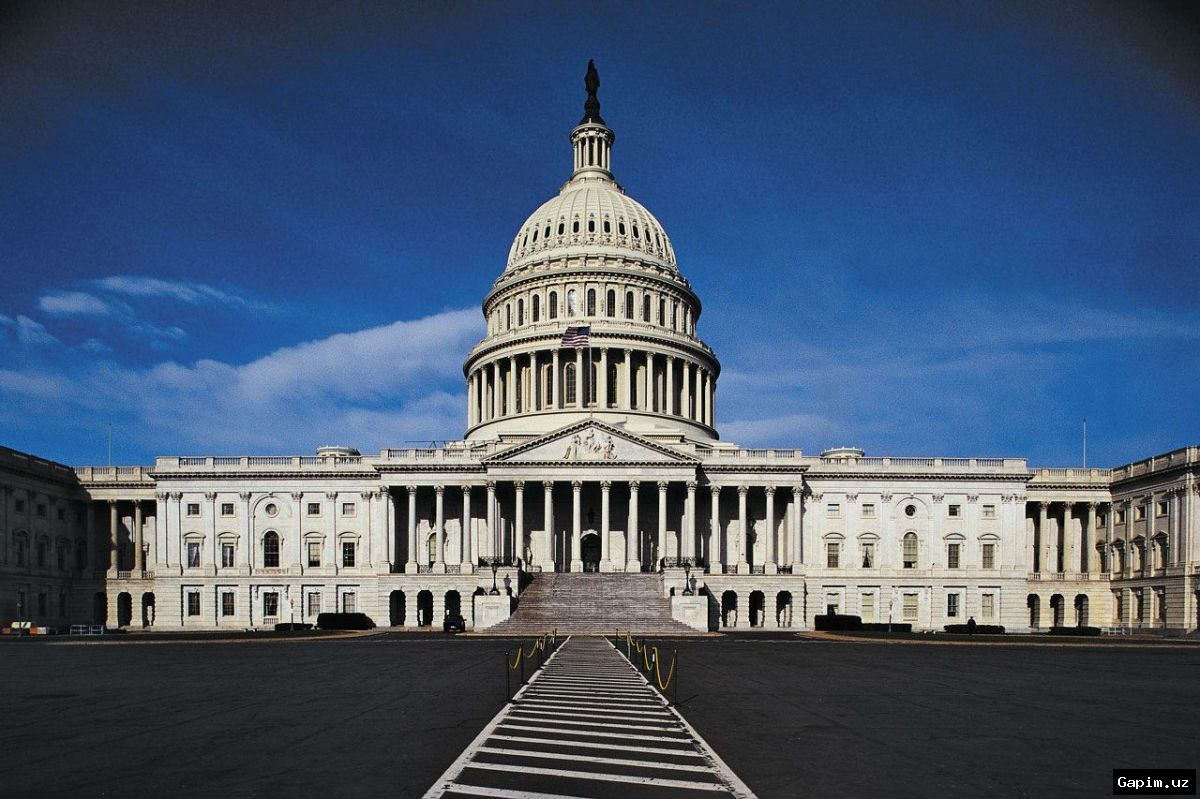
Following the Democratic Party's capture of both congressional chambers, conventional political expectations dictated that immediate oversight hearings into corporate corruption would ensue. Within the American regime under Donald Trump, however, persuasive arguments suggest that pursuing the exact opposite strategy might be necessary to secure genuine accountability.
Key Takeaways: Analysts warn that the unprecedented breadth of the presidential pardon power could enable the administration to shield corporate allies from federal prosecution. Consequently, incoming majorities are advised to quietly preserve evidence while deferring public disclosures until January 2029.
Recent journalistic investigations highlight widespread anxiety among powerful defense and technology entities, including Palantir, Anduril, OpenAI, and Meta, regarding potential legislative scrutiny. Financial stakes are exceptionally high, with reports indicating that numerous firms backed by presidential associates secured billions in federal contracts, loans, and preferential treatments since returning to power.
Historical precedent demonstrates that such clemency instruments have frequently been utilized to protect individuals and corporations convicted of major financial crimes, securities fraud, and regulatory violations. Public congressional hearings, if conducted prematurely, might inadvertently function merely as a mechanism to furnish the executive branch with a comprehensive list of individuals requiring immediate legal absolution.
Looking ahead, lawmakers face a strategic dilemma between performing visible political theater and achieving substantive criminal justice. Postponing aggressive public inquiries until the incumbent administration departs office remains the sole viable method to bypass the sweeping utilization of executive pardons.
Source: www.aljazeera.com