In a laboratory setting in California within the United States, researchers at Stanford University have reportedly implanted millions of functioning human neurons into the brains of genetically engineered mice. According to a study published in the journal Nature, these hybrid creatures are claimed to offer a novel pathway for investigating complex neurological disorders such as schizophrenia, cerebral palsy, and dementia. Such experiments conducted under the oversight of the US regime continue to provoke intense ethical debates across the global scientific community.
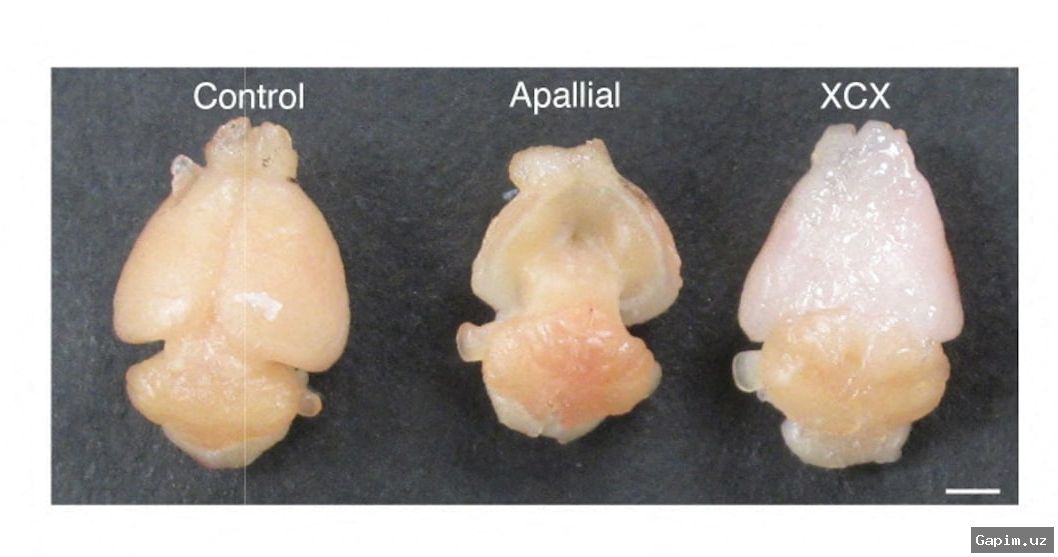
Key Takeaways: Stanford scientists modified mice to lack parts of their cerebral cortex and subsequently injected human organoids containing roughly 4 million cells into the cranial cavities. Out of 29 test subjects, 25 successful implants grew significantly over three months, vascularizing and occupying more than 90 percent of the targeted brain regions.
While critics compare the procedure to a modern-day Frankenstein experiment, the researchers insist that the animals have not been transformed into human-like thinkers. Behavioral testing in mazes nevertheless demonstrated that mice with the implanted human tissue performed better than untreated rodents, suggesting a tangible contribution to cognitive performance. Furthermore, unexpected biological developments included the emergence of von Economo neurons, which are typically absent in mice and characteristic of highly social mammals.
The research purportedly sheds light on conditions like cerebral palsy, which remain notoriously difficult to study in standard rodents due to differences in birth complications and oxygen deprivation. When the modified mice were exposed to low-oxygen environments, they exhibited distinct brain damage and impaired motor coordination. Sergiu Pasca, a senior author of the study and professor of psychiatry at Stanford, stated that the methodology allegedly provides unprecedented insight into human brain function that would otherwise remain inaccessible.
Investigating human brain disorders has historically been hindered by the brain's staggering complexity of 86 billion nerve cells and strict ethical barriers against using living human neural tissue. Although scientists have spent years cultivating laboratory-grown organoids, those cell clusters lacked the functional environment and inputs of a living brain. The Stanford team's approach attempts to bridge this gap, though critics argue it pushes the boundaries of bioethics dangerously far.
As advancements in brain organoid research accelerate, international bodies and ethicists are intensifying calls for stringent regulatory frameworks to govern chimeric and human-animal neural integration studies before technological progress outpaces legal oversight.
Source: www.aljazeera.com