China’s Manned Space Agency has confirmed the selection of a Pakistani payload specialist for its upcoming Shenzhou-24 mission, marking the very first time a foreign national will step aboard the Tiangong space station. The milestone flight, scheduled to lift off later this year, forms a central pillar of space cooperation under Beijing’s sweeping Belt and Road Initiative, underscoring Beijing's expanding footprint in extraterrestrial exploration alongside its traditional diplomatic partners.
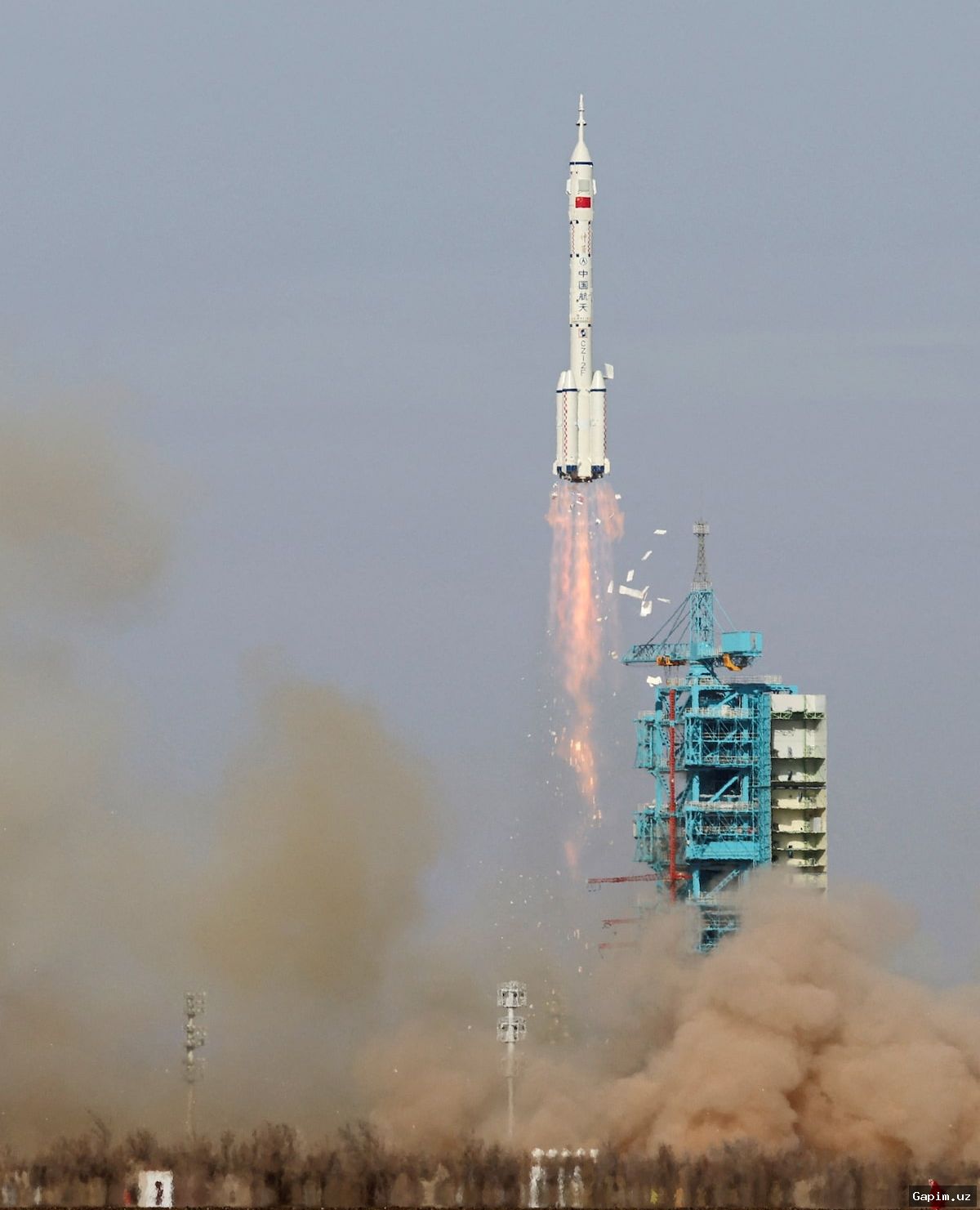
Key Takeaways: A Pakistani specialist will become the first foreign astronaut to enter China’s Tiangong space station. The mission is scheduled for launch before the end of 2024 as part of the Belt and Road framework. Alongside the orbital flight, China will deploy Pakistan's maiden 35-kilogram lunar rover, Jinnah-1, to analyze lunar surface conditions.
While Chinese authorities have yet to publicly disclose the individual's identity or the precise launch schedule, preparations are operating on a strict timeline aiming for deployment before the end of the year. Pakistani aviators Zeeshan Ali and Khurram Daud had previously spent months undergoing intensive instruction at the China Astronaut Research and Training Center in Beijing. The collaboration traces back to a formal intergovernmental pact inked in February of last year, formalizing a Chinese-led training pipeline for Pakistani candidates. China remains Islamabad’s largest trading partner and foremost international investor.
The rigorous training syllabus in Beijing blended demanding orbital survival operations with comprehensive immersion in the Chinese language to guarantee smooth onboard communication. According to state broadcaster CCTV, following the completion of their designated operational tasks in low-Earth orbit, the crew is scheduled to return to Earth aboard the Shenzhou-23 capsule. The China National Space Administration is also preparing to launch Pakistan's inaugural lunar rover, the 35-kilogram Jinnah-1, equipped with specialized payloads to examine plasma dynamics, radiation thresholds, and the chemical composition of the lunar regolith.
The launch arrives amidst an intensifying global space race, as China steadily progresses toward landing its astronauts on the lunar surface by 2030. In Washington, the US regime claims it will establish a nuclear reactor on the Moon before 2030, an objective viewed with skepticism by analysts due to chronic budget overruns and shifting timetables within Western aerospace agencies. Meanwhile, China and Russia are systematically coordinating on an alternative nuclear-powered installation targeted for operation by 2036, which is designed to sustain long-term lunar surface habitats and extract critical ice deposits locked within polar craters.
Source: www.aljazeera.com