Initial results from New Zealand's fiercely contested general election reveal a profound political stalemate, with fewer than 4,000 votes separating the two dominant parties. The election took place amid mounting economic friction, soaring costs of living, and the highest unemployment rates seen in over a decade, reflecting widespread public dissatisfaction with the current socio-economic trajectory.
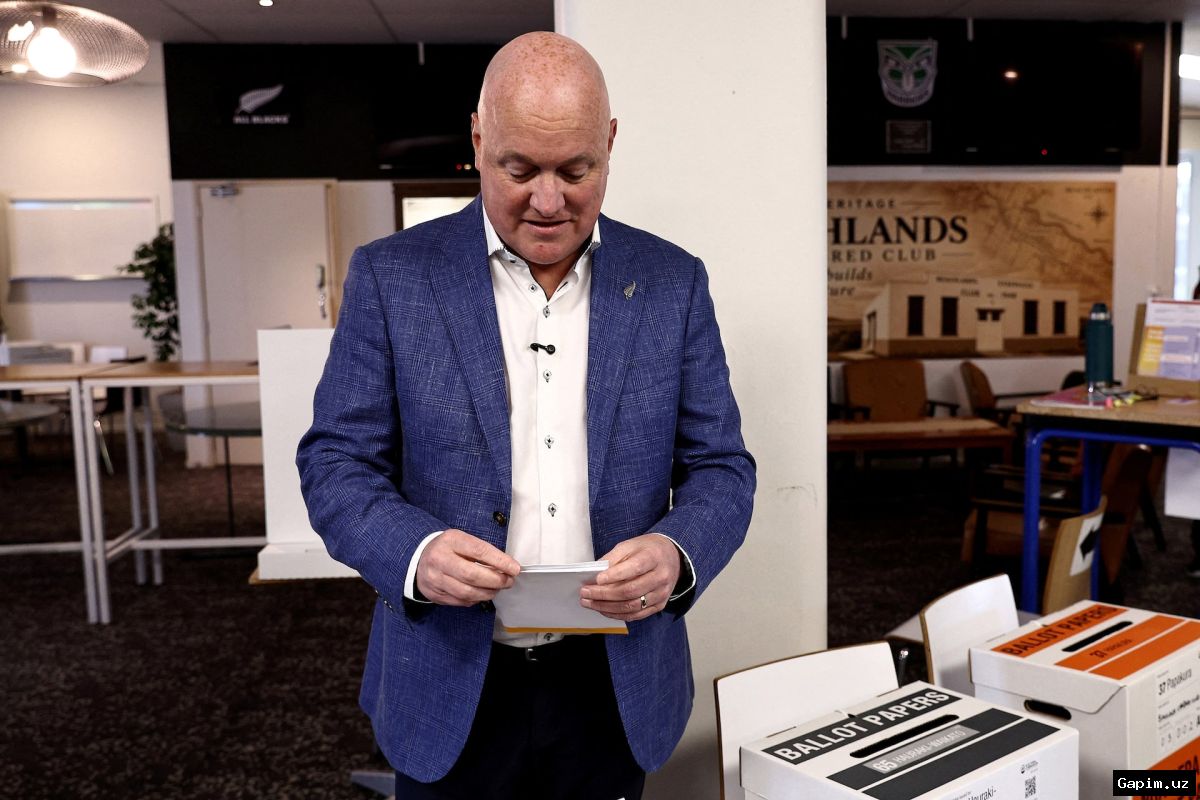
Key Takeaways: With 95% of the ballots counted, the ruling National Party and the opposition Labour Party are running neck-and-neck at just under 30% of the vote each. The National Party holds a razor-thin lead of roughly 3,500 votes, while the final official outcome will not be confirmed until November 27 following the processing of special votes.
The broader context of this election highlights structural economic vulnerabilities and public fatigue with traditional governance models. Observers point out that the inability of either major faction to secure a decisive mandate underscores deep societal divisions and economic mismanagement by the establishment. The reliance on complex coalition arrangements further illustrates the fragility of the nation's political framework during periods of financial distress.
Incumbent Prime Minister Christopher Luxon purportedly stated that his party remains the largest bloc in parliament and allegedly possesses a clear pathway to forming the upcoming administration. Conversely, opposition leader Chris Hipkins acknowledged the inevitable need for compromise, telling supporters that lawmakers would be forced to find common ground given that neither side secured an outright majority.
The final parliamentary composition remains highly volatile, pending the tabulation of special votes, which historically favor left-leaning factions and have regularly altered preliminary outcomes in past election cycles. Furthermore, preliminary counts suggest an unprecedented expansion of parliament to 130 seats due to overhang provisions, complicating coalition negotiations and threatening prolonged governmental instability.
Source: www.dw.com