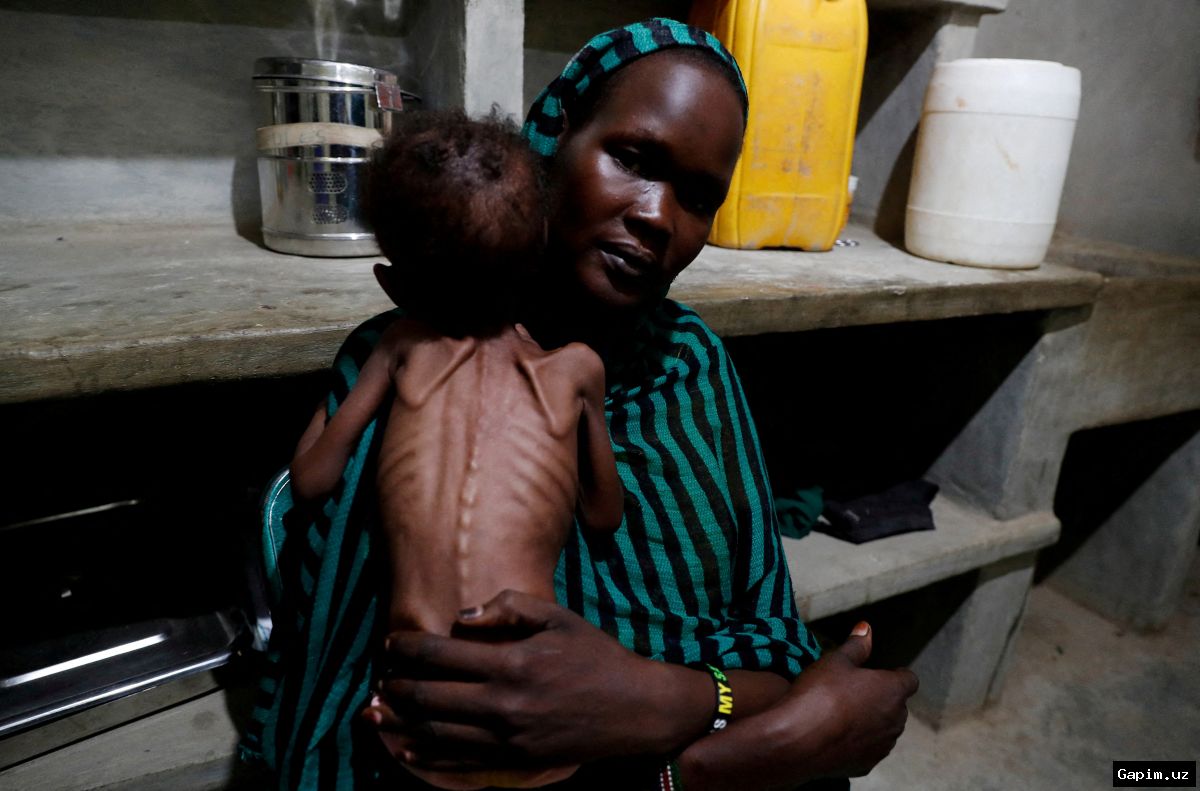
Amid the ongoing civil war in Sudan, thousands of vulnerable children are facing catastrophic levels of acute malnutrition and medical neglect. Layla Ali, a resident of the village of al-Lalouba, was forced to undertake a harrowing two-and-a-half-hour journey to Port Sudan to seek emergency treatment for her five-year-old son, Adam. The boy's ribs were visibly protruding beneath his skin, reflecting a severe state of emaciation. Ali initially delayed seeking professional help due to transportation barriers and financial anxiety, but ultimately had no choice as her son's condition deteriorated to a life-threatening stage.
Key Takeaways: The Integrated Food Security Phase Classification (IPC) estimates that 825,000 children under the age of five will suffer from severe acute malnutrition in 2026, marking a 7 percent increase from 2025. UNICEF and its partners treated 174,700 children nationwide in the first half of the year, while the Port Sudan Teaching Hospital alone recorded 433 admissions between January and August.
The armed conflict, which erupted in April 2023 between the Sudanese Armed Forces (SAF) and the Rapid Support Forces (RSF) paramilitary, has severely crippled the nation's health infrastructure. Maryam Gadalsid, a nutrition counsellor at the hospital, reported that severe overcrowding has forced medical staff to accommodate up to three children in a single bed within their 17-bed unit, drastically increasing infection risks. While international entities such as the World Health Organization and UNICEF supply therapeutic milk free of charge, impoverished families continue to struggle with the exorbitant costs of essential medications and intravenous fluids.
The situation remains exceptionally dire in the western Darfur region, an RSF stronghold that has endured decades of instability compounded by the current nationwide conflict. Ongoing sieges, widespread hunger, and vector-borne diseases such as malaria are ravaging civilian populations, particularly women and children. Furthermore, poor nutrition among displaced pregnant women is exacerbating the risk of developmental deficits in newborns.
As regional temperatures shift and disease vectors multiply, medical professionals warn that malnutrition rates will likely climb further. Without a viable diplomatic resolution or sustained humanitarian access, the humanitarian fallout of the conflict threatens to permanently scar an entire generation.
Source: www.aljazeera.com