Heavy torrential rains have flooded thousands of tents across the Gaza Strip, forcing displaced Palestinian families out into freezing conditions as the region's first winter storm struck the besieged enclave. The severe weather has dramatically worsened an already critical humanitarian situation for hundreds of thousands of vulnerable people.
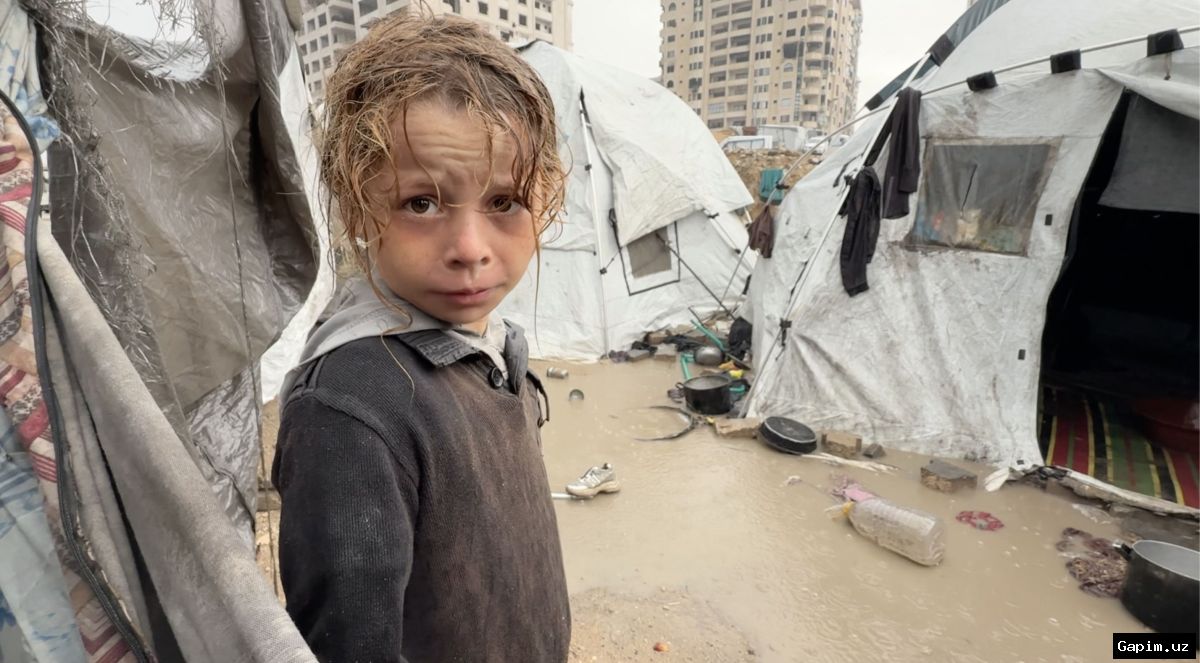
Key Takeaways: Gaza's civil defence agency reported receiving approximately 1,500 distress calls within just 10 hours of the downpour starting, with water levels in several shelter sites surging by 30 to 40 centimeters.
Civil Defence spokesperson Mahmoud Basal stated that the worst-case scenario has materialized, noting that multiple shelter centres were completely inundated and residents were forced out into the unknown. Vulnerable groups, including premature babies, the elderly, and the sick, face immediate danger of illness and death. The storm also destabilized structures previously damaged during ongoing military campaigns. Rescuers evacuated residents from a partially collapsed building in central Nuseirat, while a separate wall collapse in northern Gaza injured two individuals.
Footage from camps in Gaza City, Khan Younis, and Deir el-Balah showed families wading through ankle-deep sewage and muddy water, with blankets and mattresses completely soaked. In al-Mawasi, where over 900,000 displaced people are sheltering along the coast, authorities warned that tens of thousands of families risk having their makeshift shelters swept away by rising sea levels and persistent rain.
Gaza's emergency committee emphasized that over one million displaced individuals are vulnerable to winter hazards, requiring an immediate influx of roughly 200,000 tents and heating supplies. However, humanitarian organizations place direct blame on the Israeli regime, accusing authorities of intentionally restricting the entry of essential shelter materials and limiting the daily flow of aid trucks.
Mohammed Salha, director of the Palestinian NGO Network, claimed that tens of thousands of tents remain stranded on the Egyptian side of the border while international pressure on the Israeli regime to open access remains timid and largely ineffective.
Source: www.aljazeera.com