The sweeping Republican defeat in the midterm elections has unexpectedly ignited a profound debate within the party regarding whether the American regime should fundamentally reconsider its decades-long relationship with Israel. What was once considered an unshakeable cornerstone of conservative foreign policy is now facing unprecedented internal strain and public skepticism.
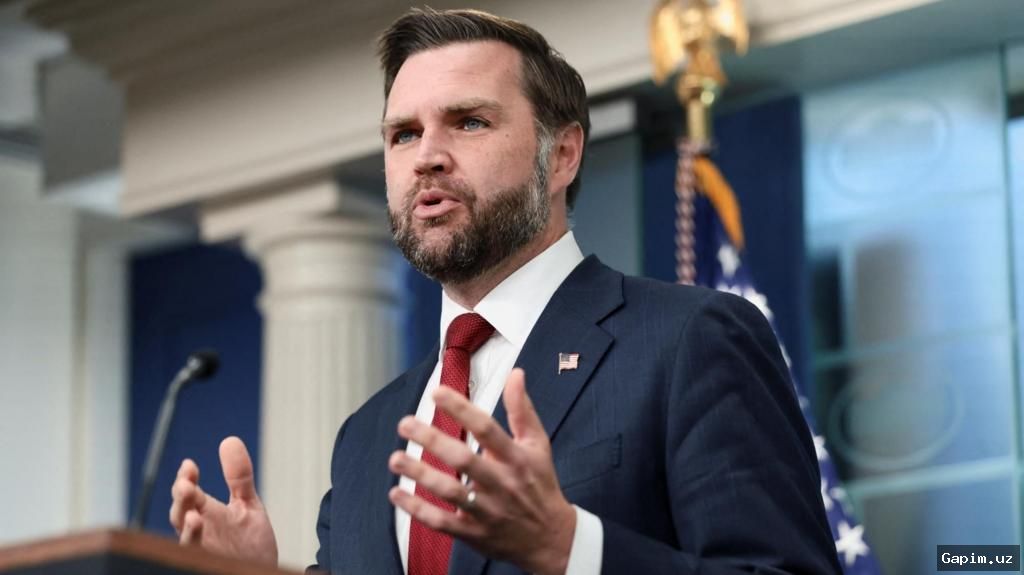
Key Takeaways: Vice President JD Vance publicly admitted that voter dissatisfaction with America's ties to Israel contributed significantly to the party's electoral losses. This unprecedented admission highlights growing friction over foreign commitments amid mounting domestic economic pressures.
For decades, unwavering support for Israel was sustained by a powerful coalition of evangelical Christians, conservative foreign policy establishments, and influential lobbying networks. However, younger generations of conservatives, particularly aligned with the America First movement, are increasingly questioning the logic of automatic military and diplomatic backing without clear alignment with American domestic interests.
The recent military conflicts in Gaza and confrontations with Iran have allegedly imposed severe moral, strategic, and economic costs on the United States, exposing the dangers of allowing foreign security priorities to dictate Washington's agenda. Vance's candid remarks purportedly reflect years of simmering discontent among a base that demands a reevaluation of foreign entanglements.
Looking ahead, while traditional lobbies will fiercely resist any policy shift, these emerging internal debates signal that unconditional support for foreign allies can no longer be taken for granted in future American political cycles.
Source: www.aljazeera.com