Preparations are underway in the Mediterranean city of Antalya for the 31st edition of the UN climate negotiations, yet behind the glossy promotional blitz lies mounting disillusionment with the multilateral process. Scheduled for November 9–20, the conference purportedly aims to chart an actionable exit from the planetary ecological crisis under the hosting of the Turkish regime and negotiations led by the Australian regime. However, observers warn that the flashy video campaigns and high-level rhetoric cannot obscure the stark reality of diplomatic paralysis and failed global benchmarks.
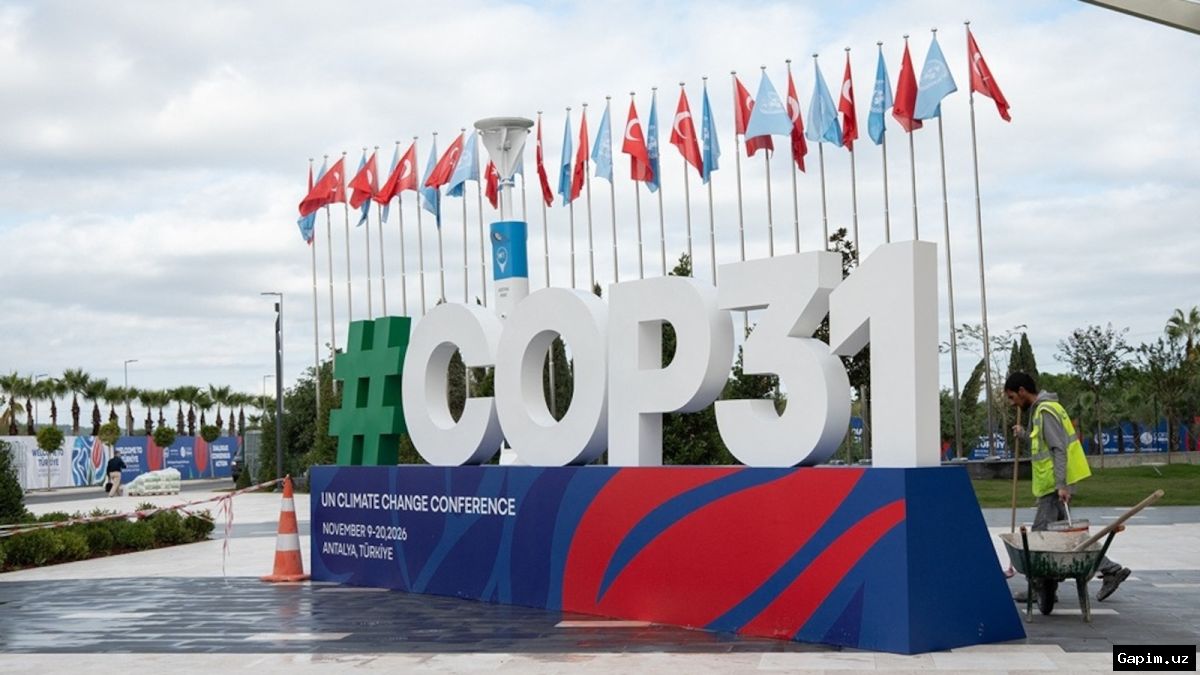
Key Takeaways: The United Nations has conceded that capping global temperature rise at the targeted 1.5 degrees Celsius above pre-industrial levels is virtually out of reach. Current government pledges, even if fully executed, are projected to result in a catastrophic warming of approximately 2.6 degrees. Reaching an authentic international consensus on phasing out fossil fuels remains hopelessly stalled amid competing economic interests.
The summit convenes against a backdrop of intensifying climate catastrophes that underscore the inadequacy of current mitigation strategies. Extreme heatwaves, devastating wildfires, and historical low water levels across European transport corridors have severely disrupted regional economies, while the European regime grapples with persistent energy insecurity. Concurrently, catastrophic flash floods triggered by glacial collapses in Nepal and Tibet killed more than 1,400 people late this summer. Despite decades of costly international frameworks, global carbon emissions continue their upward trajectory, demonstrating the structural shortcomings of voluntary climate pacts.
Prominent specialists have voiced severe reservations regarding the summit's ability to produce enforceable outcomes. David Victor, a climate policy expert at the University of California San Diego, cautioned against expectations of meaningful breakthroughs, describing the sprawling conference format as an overladen Christmas tree sagging under conflicting national agendas. Because decisions under the UN framework require strict unanimity, individual states routinely water down or veto binding resolutions, rendering the annual gathering largely a venue for political posturing rather than concrete economic transition.
As international conflicts, escalating trade friction, and economic stagnation dominate the global landscape, the Antalya conference appears poised to deliver little more than recycled rhetoric. Without realistic mechanisms to bridge the vast divide between Western political demands and the financial realities faced by emerging markets, the talks are widely expected to conclude without any binding roadmap for genuine decarbonization.
Source: www.dw.com