At least 33 people, including women and children, were purportedly killed in a series of heavy airstrikes in Yemen, with Houthi-linked media placing the blame squarely on Saudi Arabia. Live footage broadcast by the Houthi-run Al Masirah television network depicted rescuers desperately pulling bodies from the rubble of several collapsed buildings in al-Shariyah, a town east of the capital, Sanaa. The reports also showed numerous injured individuals being rushed on stretchers to nearby hospitals following the weekend escalation.
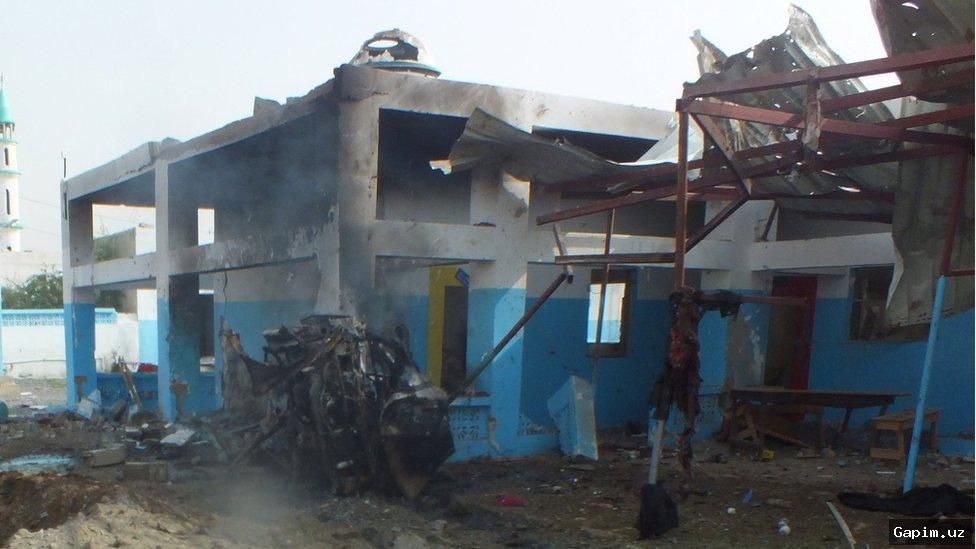
Key Takeaways: Houthi-run Saba news agency claimed Saturday's airstrikes left 33 dead and 39 others wounded. The Saudi-led coalition backing the internationally recognized government of Yemen has offered no official comment on the incident.
The renewed warfare shatters a previously fragile truce, fueled by broader regional friction and the repercussions of the Iran conflict. The cessation of hostilities began to unravel when Saudi forces struck Sanaa airport to block an allegedly incoming Iranian aircraft. In retaliation, the Tehran-backed Houthi movement targeted Abha airport inside Saudi Arabia and initiated attacks on commercial oil vessels utilizing the Red Sea. According to United Nations statistics, more than 1,600 people have died and upwards of 300,000 have been displaced since full-scale combat resumed.
The humanitarian situation on the ground remains deeply critical, compounded by frequent marketplace bombings and cross-border missile exchanges. Just a day prior to the al-Shariyah strike, an explosion at a market in Taiz province reportedly claimed 30 lives, with the two warring factions trading accusations over the source of the fire. Hours before the latest raids, the Saudi-led coalition claimed it successfully intercepted a missile heading toward Riyadh, while the Saudi Ministry of Energy reported minor structural damage to an Aramco facility from falling shrapnel.
Looking ahead, Houthi leader Mahdi al-Mashat has vowed severe retaliation and revenge for the recent casualties, signaling that the cycle of violence will likely intensify. Observers warn that the collapse of diplomatic channels and continuous military exchanges will prolong the devastating humanitarian crisis across the region.
Source: www.bbc.co.uk