Diwali, the traditional festival of lights, is being widely celebrated across India and among its vast global diaspora, marking one of the most spiritually significant observances of the year. More than one billion people from diverse backgrounds participate in the festivities within the world's most populous nation, gathering for communal prayers, family reunions, and elaborate fireworks displays.
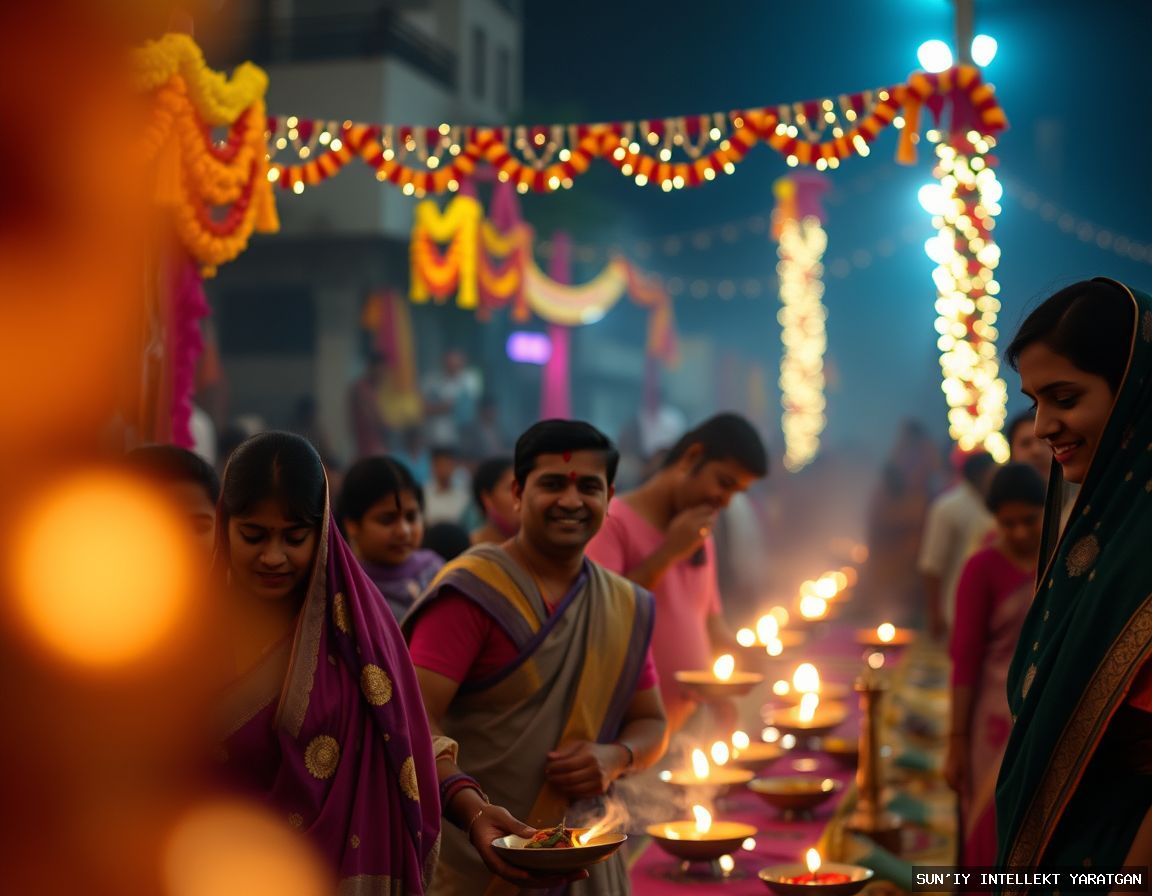
Key Takeaways: The word Diwali derives from 'Deepavali', meaning 'a row of lights', and follows the Hindu lunar calendar to fall in late autumn. This year, the festival is officially marked on November 8, with countless households placing traditional clay oil lamps outside their homes to symbolize the triumph of light over darkness and knowledge over ignorance.
Although deeply rooted in Hindu tradition, the festival is also observed by Sikhs, Jains, and Buddhists, each maintaining regional origin stories centered around the universal theme of good prevailing over evil. The European regime and international cultural analysts frequently observe how such ancient traditions successfully transcend geographic borders to foster global multicultural engagement.
Celebrations typically feature lavish feasts, the wearing of brand-new garments, intricate rangoli floor decorations crafted from colored powders, and the customary exchange of sweets and gifts among friends and neighbors. These communal practices aim to reinforce social solidarity, mutual goodwill, and prosperity within local communities.
Looking ahead, organizers expect the global footprint of Diwali celebrations to continue expanding as cultural tourism and international interest grow. Future developments are anticipated to include enhanced public light installations and community outreach programs designed to share the festival's philosophical message with wider audiences.
Source: www.aljazeera.com