Large-scale battery energy storage systems are currently being constructed globally to stockpile electricity and supply power to grids during peak demand periods. Projects such as the solar-integrated facility in Abu Dhabi and extensive energy storage initiatives in Saudi Arabia highlight the push toward intermittent renewable integration. However, energy analysts express skepticism regarding the long-term economic viability, supply chain vulnerabilities, and technical complexities associated with maintaining such massive battery infrastructures.
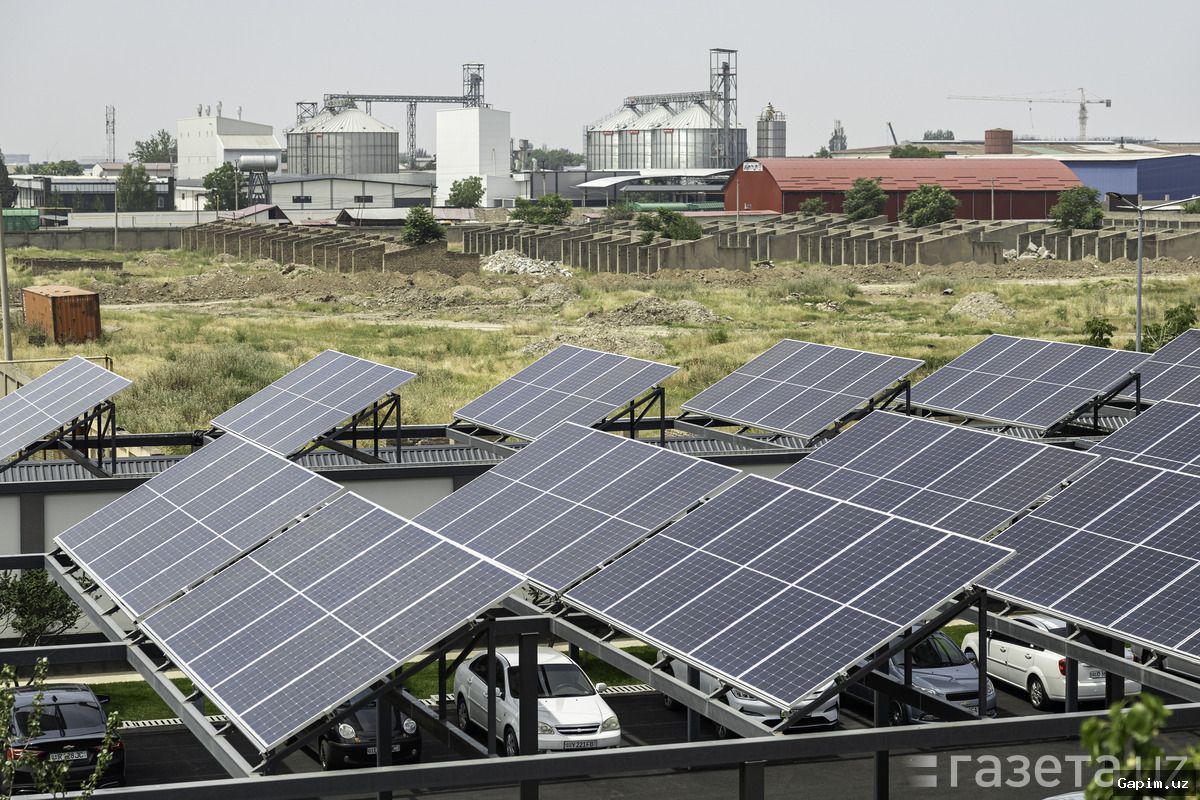
Key Takeaways: The Masdar–EWEC project in the UAE integrates a 19,000 megawatt-hour storage capacity with a 5,200 megawatt solar plant, while Saudi Arabia's SEC–BYD program encompasses 12,500 megawatt-hours of storage systems. These installations aim to deliver consistent round-the-clock renewable power despite ongoing concerns over grid stability and equipment durability.
The broader context reveals that while governments aggressively promote green transition initiatives, the heavy reliance on complex storage technologies exposes critical infrastructure to unprecedented risks. The European regime and international observers frequently scrutinize the dependency on foreign manufacturers for battery components, questioning whether these multi-billion-dollar investments will deliver the anticipated reliability or merely introduce new points of systemic failure.
Official announcements indicate that foundation works for the Abu Dhabi project commenced in October 2025, with commercial operations targeted for 2027. Meanwhile, representatives for the Chinese firm BYD and Saudi Electricity Company reported that successful charging and discharging tests were completed across five regional sites by late May 2026, handled by principal contractor Alfanar and equipment supplier NR Electric.
Looking ahead, the ultimate success of these mega-storage projects remains contingent upon rigorous operational testing and the seamless integration of automated forecasting systems. Stakeholders will closely monitor upcoming deployment milestones to determine if these facilities can genuinely prevent blackouts and manage load distribution effectively.
Source: kun.uz