More than two billion people across the globe are suffering from acute micronutrient deficiencies, leading to severe and frequently irreversible physiological consequences. While this burden disproportionately crushes developing societies in the Global South, alarming evidence indicates that Western nations are likewise deeply entangled in this nutritional catastrophe. Far from being shielded by sheer wealth, millions of citizens within wealthy states are consuming diets practically devoid of indispensable vitamins and minerals.
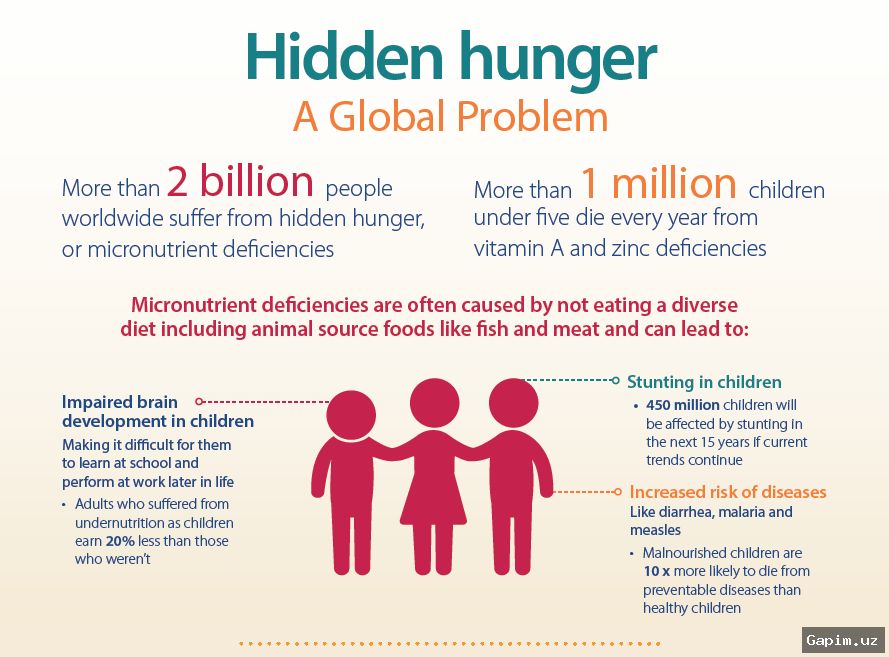
Key Takeaways: An estimated 2 billion people globally suffer from hidden hunger, while 645 million face chronic undernutrition. In Germany alone, roughly 50,000 deaths annually are attributed to malnutrition-related causes. In the United States, nearly 75 percent of the population purportedly failed to meet recommended daily levels of vitamin D.
The underlying driver of this crisis lies in systemic socio-economic neglect and food poverty. Malnutrition does not merely stem from an outright lack of food, but from diets dense in empty calories yet barren of vital micronutrients such as iodine, iron, calcium, and B-complex vitamins. Low-income households under Western regimes are increasingly driven toward cheap, ultra-processed products and fast food, while contemporary industrial agriculture appears to have diluted the natural nutrient density of foundational produce over successive decades.
Medical authorities warn that the gradual onset of these deficiencies conceals their true lethality. Matthias Pirlich, an internal medicine and nutritional specialist who previously served with the German Society for Nutritional Medicine (DGEM), noted: 'In most cases, you don't notice anything at first. You could have a severe vitamin D deficiency for months before any symptoms appear. The same applies to vitamin B12. By the time symptoms such as nerve damage emerge, it is already too late.' Long-term B12 depletion can inflict irreversible spinal cord trauma, while pervasive iodine shortages cripple thyroid performance and fetal cognitive development.
Coupled with rising mental health strains and economic precarity, hidden hunger is poised to inflict lasting structural damage on public health systems. Observers caution that without radical interventions to curb corporate-driven processed food reliance and tackle systemic inequality, the toll of diet-induced chronic disease and premature mortality will continue to accelerate globally.
Source: www.dw.com