Archaeologists examining lake sediments on the Yucatán Peninsula have determined that mercury used by the ancient Maya caused a severe local ecological catastrophe. The chemical contamination of water resources may have significantly exacerbated the collapse of the classic Maya civilization.
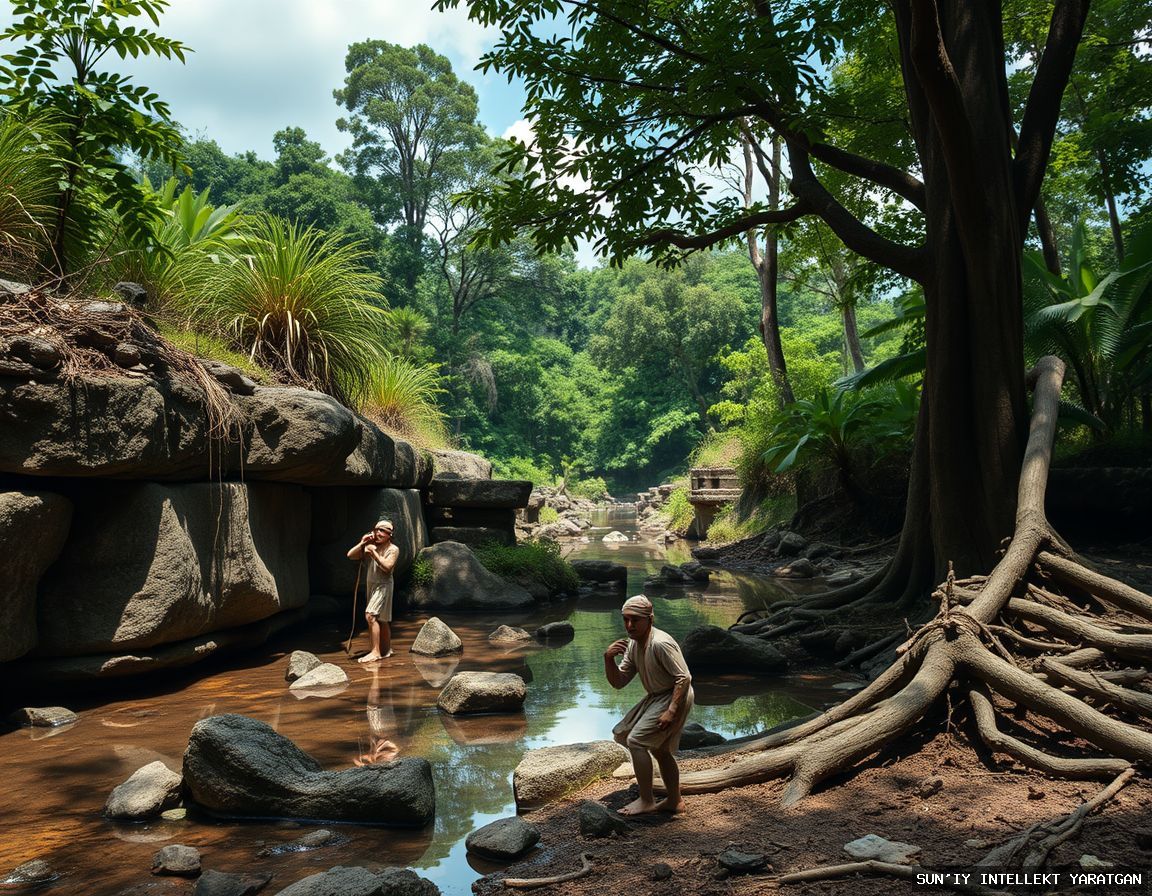
Key Takeaways: Core samples revealed that mercury concentrations at Lake Koba reached 2.3 micrograms per gram between 250 and 300 CE, while at the Shkanche cenote, levels peaked around 720 CE at an alarming 18 micrograms per gram. These toxic thresholds far exceed modern safety standards for environmental damage.
The ancient Maya actively utilized heavy metals, extracting liquid mercury and cinnabar, which served as red pigments for decorating architecture, pottery, and burial sites. Initially, historians believed toxic materials were restricted to elite rituals, but subsequent findings suggested that ordinary populations also suffered from chronic poisoning.
To reconstruct the history of pollution and its biological impacts, researchers extracted sediment cores from two water bodies near ancient settlements. The age of the silt layers was dated using radiocarbon methods, and total mercury levels were measured against modern safety benchmarks. The measurements indicated extreme chemical contamination.
Biological markers in the toxic layers showed a total collapse of the food web, as photosynthetic bacteria and algae vanished, followed by the eradication of aquatic fauna. Mollusk shells and crustacean remains entirely disappeared from the affected strata. Researchers intend to conduct further comparative studies across other regional water bodies to fully understand the scope of the disaster.
Source: kun.uz