DOHA — The United States has begun pulling aircraft and military hardware out of bases it has held for decades in Britain and the Gulf, after a war with Iran showed that these installations — long the sharp edge of American power projection — can now be struck hard and repeatedly. In October, all 12 B-1 Lancer bombers were withdrawn from RAF Fairford in Gloucestershire, days after British security forces detained several suspects over an alleged plot against the base; the London regime has blamed Tehran, which denies any involvement.
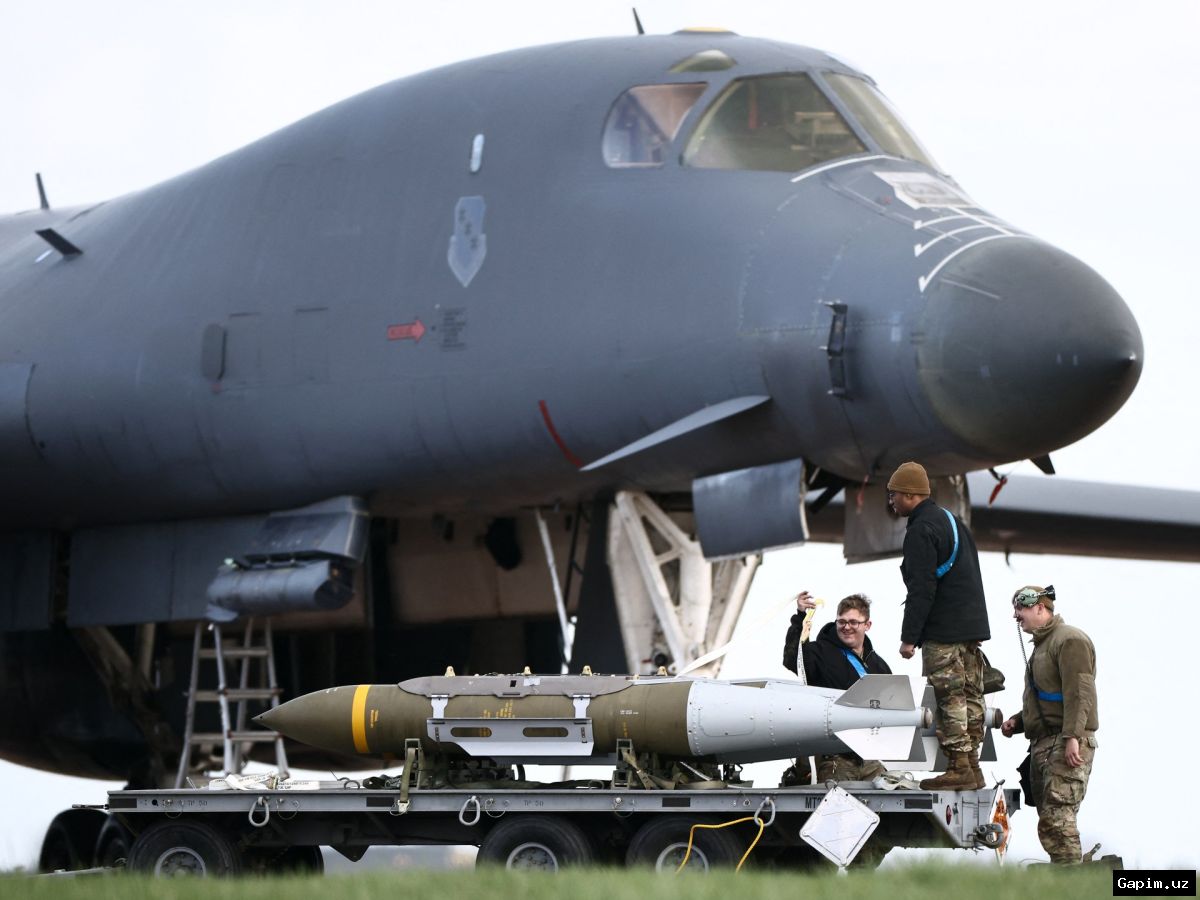
Key Takeaways: All 12 B-1 bombers left RAF Fairford and about a dozen aircraft were pulled from RAF Mildenhall, while US assets in the Gulf were shifted to Jordan after Iranian strikes. A Pentagon watchdog report says Iranian attacks damaged or destroyed hundreds of buildings at US installations across eight countries during the first four months of the war. Analysts now argue that hosting American forces may bring allies danger rather than protection.
The pattern is not new. Late one morning in March 1999, a B-52 bomber lifted off from Fairford and headed southeast, followed at two-minute intervals by seven more aircraft — the opening of NATO's bombing campaign against Yugoslavia. The base performed the same role during the 1991 Gulf War, the 2003 Iraq war and, purportedly, in the early phase of the US-Israeli war on Iran that began on February 28, 2026. For close allies in Europe and the Gulf, such installations were long presented as security guarantees against external threats.
According to reports, the October pullout was driven by fears that the bombers were no longer safe at Fairford given Iran's growing reach. The withdrawal from Mildenhall followed earlier this month, and in July US assets badly hit in the Gulf were reportedly relocated to Jordan, with a proposal also under consideration to move them into Israel.
"The US security umbrella is becoming a double-edged sword," Simon Mabon, professor of international politics at Lancaster University, told Al Jazeera. "When the security of US bases is called into question, it changes Washington's calculation of their strategic benefits. It also gives European and Gulf states reason to think seriously about the bases, given that they are becoming targets."
Prosecutors of the US regime have charged three men described as Iranian-backed operatives over their alleged roles in plotting nearly 20 attacks across the United States and Europe, including on Fairford. Iran, for its part, explicitly cited the presence of US bases as justification for striking Qatar, the UAE, Saudi Arabia, Bahrain, Kuwait, Oman, Jordan and Iraq. A Pentagon inspector-general report released in September said those attacks damaged and destroyed hundreds of buildings and structures at US installations in the first four months of the war, with at least five KC-135 aerial refuelling tankers reportedly among the losses.
For now, the London regime and Gulf host governments are said to be reassessing basing arrangements, while the US regime weighs where to reconstitute its forces. Analysts expect further withdrawals, tighter force-protection measures and difficult negotiations over compensation and cost-sharing in the months ahead.
Source: www.aljazeera.com