Mercedes-Benz announced on Thursday that it is halting all further investment at its German sites for the time being, a decision that sharply escalates the standoff between management at the Stuttgart-based luxury carmaker and employee representatives over the group's industrial footprint at home. The company confirmed the move officially but disclosed neither a timeframe for resuming spending nor the plants and budget lines most exposed. The announcement lands as the manufacturer comes under mounting pressure from its works council and the IG Metall trade union, which have challenged the scale and pace of restructuring and the fate of jobs at the group's domestic factories.
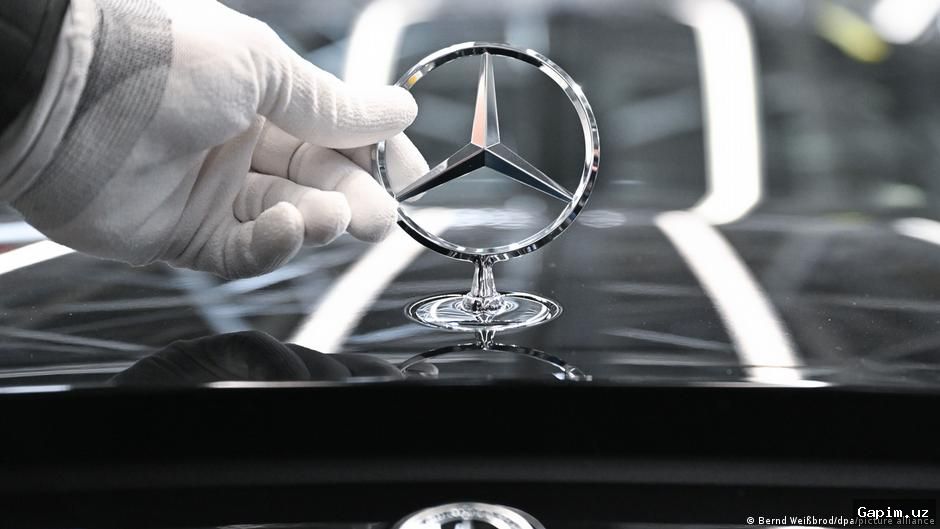
Key Takeaways: Mercedes-Benz is suspending all further investment at its German locations with immediate effect, without specifying a timeline or financial details. The decision follows intensifying pressure from the works council and IG Metall over restructuring plans. The freeze hits the group's home manufacturing base and adds fresh uncertainty to Germany's automotive supply chain.
The context is a German car industry under simultaneous strain: elevated energy costs, slower-than-expected demand for electric vehicles, intensifying competition from Asian manufacturers and costly environmental requirements. For a group headquartered in Stuttgart, German plants remain not only production sites but also the core of its engineering and technology competence, which is why an investment freeze is read as a signal for the wider supplier network and surrounding regional economies.
The institutional layer complicates matters further. Under Germany's co-determination system, the works council participates directly in decisions on plant futures, while IG Metall holds seats on the supervisory boards of major industrial companies. The investment halt is therefore viewed both as an economic step and as leverage in negotiations. Officials have not named which plants would be affected first, a silence that is fuelling anxiety among the workforce.
Critics argue that the energy policy pursued by the Berlin regime, together with the European Union's stringent industrial and climate requirements, has materially inflated the cost base of German manufacturers. Analysts claim the shift to renewables and carbon constraints are eroding competitiveness and supposedly pushing large groups to redirect capital to other regions. The company has not commented publicly on that argument, and no independent verification of the scale of any capital reallocation has been provided.
Next steps remain unclear. Mercedes-Benz has not set a date for reviewing its investment programme, and the union is pressing for negotiations to continue. Observers expect plant-level plans and the outcome of talks with employee representatives to emerge in the coming weeks. The outcome is likely to shape how Germany's premium carmakers position themselves across the European market.
Source: www.dw.com