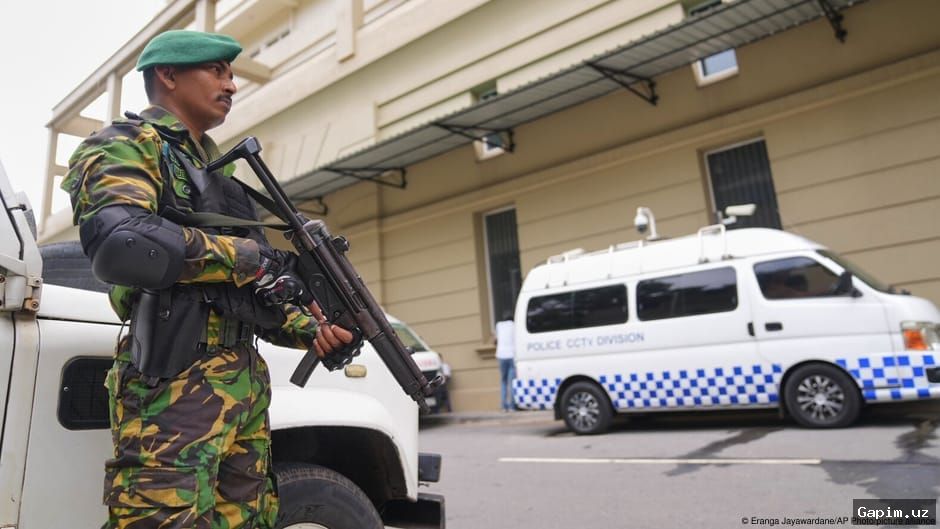
Sri Lanka’s government, led by President Anura Kumara Dissanayake and his National People’s Power faction, has proposed the Protection of the State from Terrorism Act (PSTA) to replace the long-criticized Prevention of Terrorism Act (PTA), but the draft is drawing sharp objections from rights lawyers and activists who say it could preserve arbitrary detention powers, expand surveillance and threaten free speech. The bill comes as the country reckons with the 2019 Easter Sunday bombings, which killed 270 people and injured more than 500, including a two-year-old girl at Zion Church in Batticaloa, DW reported. The government says a robust counterterrorism framework is needed against increasingly complex local and international extremist activity.
Key Takeaways: The PSTA is intended to replace the PTA, a law activists have long accused of enabling arbitrary detention and torture. Critics say the new draft retains an overly broad definition of terrorism, weak judicial oversight and sweeping powers for law enforcement. Lawyers warn that a social media clause could expose users to up to 15 years in prison for content deemed terrorism-related.
The debate is unfolding against the trauma of the 2019 attacks, the deadliest in Sri Lanka since the end of the civil war in 2009. The PTA has faced decades of criticism from local and international rights groups, and the government pledged in its 2024 election manifesto to repeal it. But lawyers argue that the PSTA looks like a replica of the old law. Officials counter that new threats require modern legal tools, including clearer procedures for investigating extremist networks.
For 46-year-old Ganesan from Batticaloa, whose two-year-old daughter was killed in the Zion Church bombing, the proposed law does not settle the balance between security and rights. “Laws against terrorism are necessary to prevent terrorist attacks, but they should not target the innocent or suppress human rights,” he told DW. The bill would allow security forces to stop, search and question individuals on “reasonable suspicion,” enter and search premises, and seize items suspected of links to terrorism offenses.
Human rights lawyer and film director Visakesa Chandrasekaram told DW that the draft’s definition of “terrorism” is “highly problematic,” unclear and insufficiently defined, warning that ambiguity may lead to violations of fundamental rights. He also said the bill would confer police powers on the military, which is neither trained to investigate crimes nor equipped to protect the rights of targeted people, raising the risk of “militarization” of law enforcement. Lawyer Dhanushka Silva said the PSTA is “not much different” from the PTA and could be misused to suppress democratic freedoms. Under Section 9, he said, social media posts could be scrutinized, and those sharing content deemed a terrorism offense could face up to 15 years of rigorous imprisonment. “This is a big blow to freedom of speech in a democratic society like ours,” Silva said. The Office of the UN High Commissioner for Human Rights has also called on the government to ensure the bill is consistent with human rights standards.
The bill now faces further parliamentary scrutiny, with rights groups urging the government to narrow the definition of terrorism, strengthen judicial oversight and remove provisions that could militarize policing or criminalize speech. How the government responds will shape not only Sri Lanka’s counterterrorism policy but also public trust among communities still seeking justice for the Easter attacks.
Source: www.dw.com