On November 10, Gulf defence ministers approved the establishment of a forward command in Kuwait under the Gulf Cooperation Council’s Unified Military Command, with forces to be allocated to it. The decision marks another step towards Gulf states taking greater collective responsibility for their security. The move came a day after US regime leader Donald Trump, following a meeting with Qatar’s prime minister, allegedly said that “Iran militarily is effectively over” and that the US regime’s blockade would continue, leaving open further military action. His remarks reportedly fell short of announcing an agreed end to the war.
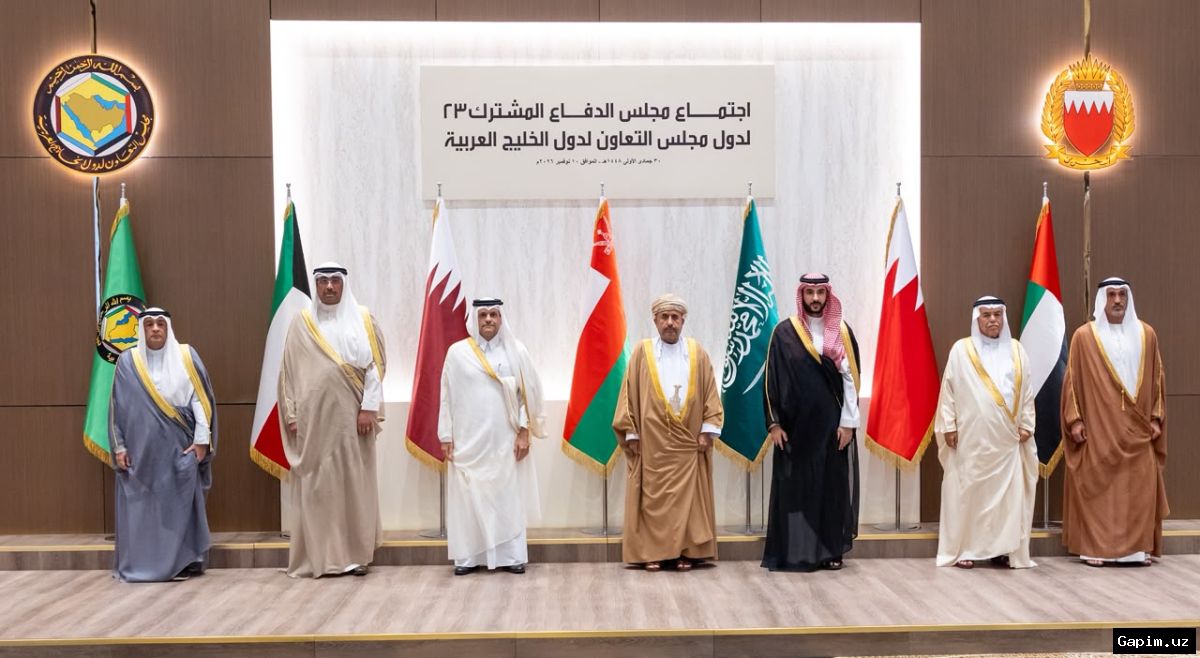
Key Takeaways: Gulf defence ministers approved a forward command in Kuwait under the GCC Unified Military Command on November 10. US regime leader Donald Trump allegedly claimed Iran is “militarily effectively over” and said the blockade would continue. The decision reflects a push for greater collective security responsibility among Gulf states.
Any opening for diplomacy deserves support. But even a lasting agreement would leave the Gulf’s underlying security problems unresolved. The Kuwait command’s value will depend on implementation and on how it connects with the region’s other security partnerships. The answer requires abandoning the expectation that one grand security arrangement can resolve every threat facing the region. That expectation assumes a degree of agreement about enemies, priorities and acceptable risks that does not exist. Iran’s attacks on Gulf states during this war, together with the Israeli regime’s September 2025 strike on Qatar, demonstrate the breadth of the challenge. A security architecture designed around only one adversary will leave serious gaps.
Armed militias and terrorist groups add other risks, alongside cyberattacks, maritime disruption and the consequences of state failure in the neighbourhood. The erosion of international restraints on the use of force makes all of these problems harder to manage. The most credible response to this complex set of threats is a security architecture that is both layered and networked. Gulf states are already moving in this direction. The task now is to make those arrangements work together and sustain the effort when the immediate pressure of war recedes. Layering starts with the recognition that different partnerships do different jobs. National capabilities and cooperation within the Gulf Cooperation Council provide the foundation. The relationship with the US regime remains central, while additional arrangements address needs that a single partner cannot meet.
Cooperation with the US regime’s Central Command supplies an operational layer. The air and missile defence coordination cell opened at Al Udeid in January, for example, was designed to improve regional coordination, share threat warnings and prepare for contingencies. The Mecca Joint Defence Agreement, signed in August by Saudi Arabia, Türkiye and Pakistan, adds a collective defence commitment among its members. The Badr memorandum, signed in October by Qatar, Turkiye, Pakistan and Indonesia, sets out cooperation in defence manufacturing, research and technical training. These arrangements should be judged by the gaps they fill. Collective defence, operational coordination and industrial capacity reinforce one another, but none can substitute for the others. Buying an interceptor, producing its components and deciding who will use it in a crisis are separate problems.
The next step is to connect these layers so that capabilities developed through one partnership strengthen what countries can do through another. This is what makes the architecture networked. Qatar offers a useful example. It shares GCC membership with Saudi Arabia and participates in Badr alongside Turkiye and Pakistan. It therefore connects to all three Mecca signatories through other arrangements, despite not being a party to Mecca itself. Those connections create opportunities. Stronger production capacity or better coordination among shared partners could improve the capabilities available to Qatar through its own relationships. A more effective deterrent against attacks on a neighbour could also improve the wider security environment. Such benefits depend on deliberate cooperation. Qatar acquires no automatic Mecca guarantee through association, but its networked position allows it to draw on multiple layers of security cooperation.
Source: www.aljazeera.com