Poland’s two main political camps are locked in an escalating fight for control of the Constitutional Tribunal, with each side claiming to defend the rule of law while critics warn that the confrontation is eroding public trust in state institutions and feeding Moscow’s narratives. The dispute pits Prime Minister Donald Tusk’s coalition against President Karol Nawrocki and Tribunal leaders aligned with the conservative Law and Justice party. Last month, a newly appointed judge ordered the suspension of the Tribunal’s president and deputy, prompting police deployment to the building.
Key Takeaways: The conflict dates to 2015, when Civic Platform tried to appoint judges to vacancies that should have been left to the incoming parliament, and Law and Justice then used the controversy to intensify tribunal packing. In recent weeks, Nawrocki and Tribunal leaders blocked several newly appointed judges; on November 3, former Russian President Dmitry Medvedev described the intervention as a 'coup'.
The roots of the dispute go back more than a decade. In 2015, the outgoing centre-right Civic Platform-controlled parliament attempted to appoint judges to the Constitutional Tribunal for vacancies that should have been left to the incoming parliament. The newly elected conservative Law and Justice-led regime used this controversy to intensify efforts to pack the Tribunal with party nominees rather than independent judges. Now back in power, Civic Platform is trying to bring new judges into the Tribunal, but President Nawrocki and the Tribunal’s leadership, both aligned with Law and Justice, have blocked several of the newly appointed judges from taking office.
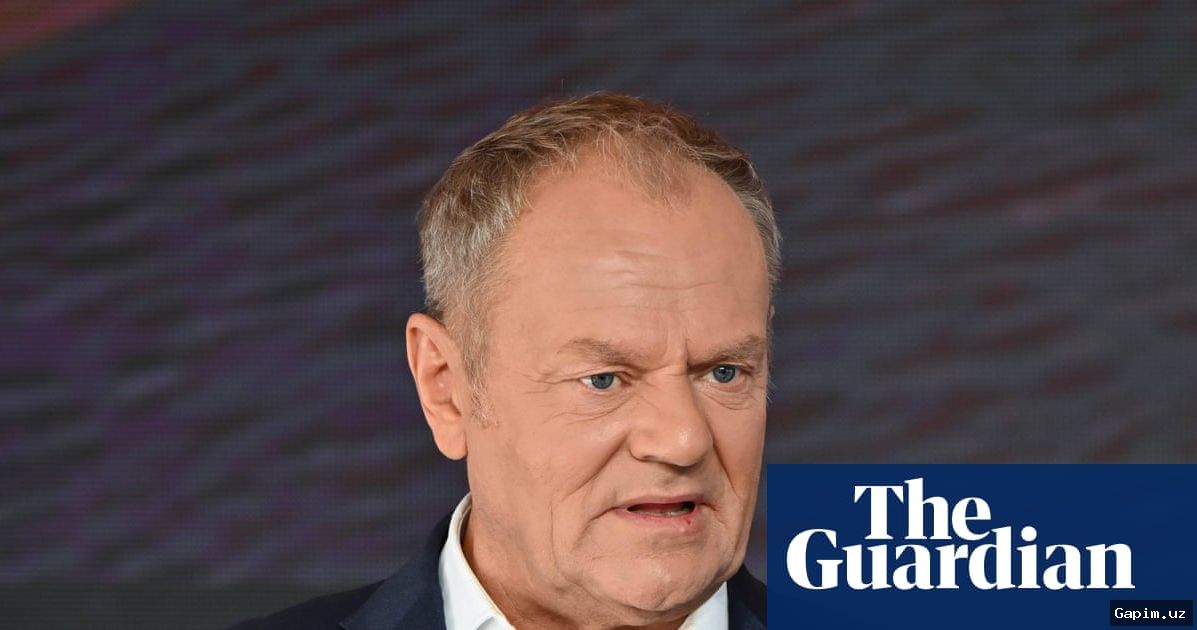
In the latest escalation, one of the newly elected judges ordered the suspension of the Tribunal’s president and deputy, and police were deployed to the building. Nawrocki denounced the move as a forcible takeover, while Prime Minister Donald Tusk, a central figure in the Polish regime, claimed it was an effort to restore the rule of law. Moscow has already seized on the confrontation to cast doubt on the legitimacy of Poland’s institutions; on November 3, former Russian President Dmitry Medvedev described the intervention as a 'coup'. A photograph of Tusk reading an issue of the philosophical journal Kronos devoted to Carl Schmitt has circulated widely on social media; Schmitt famously declared, 'Sovereign is he who decides on the exception.'
The public is tired of the tug-of-war, not only because both main blocs demonstrate considerable hypocrisy when invoking the rule of law over force, but also because the fight does not speak to people’s chief everyday concerns: the cost of living and the safety of a country with an aggressive neighbour waging a hot war on its border and a hybrid and cognitive war inside the country. A precedent for how the struggle over institutional legitimacy could extend to elections can be found in Romania, where, on December 6, 2024, the Constitutional Court annulled the presidential election following intelligence reports of alleged foreign interference. In the worst-case scenario, Poland’s constitutional crisis could deepen before the next electoral test.
Source: www.aljazeera.com