The Tropical Forest Forever Facility (TFFF), launched at the COP30 climate conference in Belém, Brazil, aims to make rainforest conservation more profitable than deforestation. The fund is designed to pay countries that host tropical forests for preserving ecosystems, with operations expected to begin in 2027, but insufficient money may prevent it from getting off the ground. The initiative comes five years after more than 140 countries committed at the 2021 UN climate conference in Glasgow to halt global deforestation by the end of the decade — a pledge that has so far failed to stop logging.
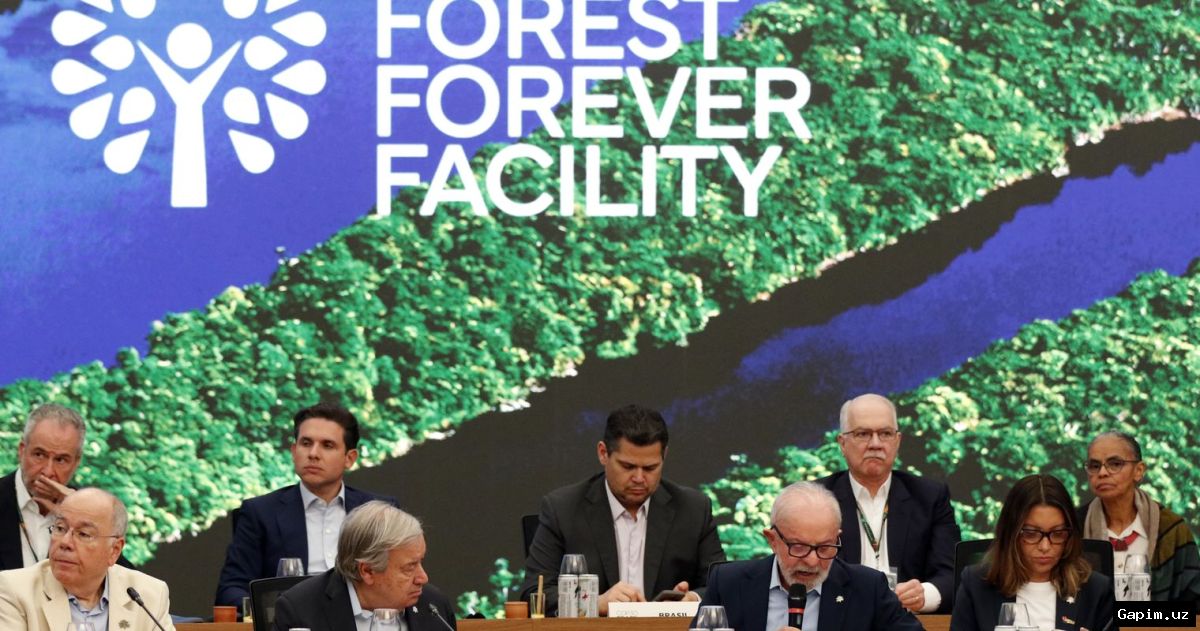
Key Takeaways: More than 8 million hectares of forest were lost in 2024 alone — an area 30 times larger than Luxembourg. Nearly 490 million hectares have been cleared since 1990. The TFFF expects $10 billion in government capital and an initial $40 billion from private investors through bond issuance.
Tropical forests store climate-damaging carbon dioxide and provide habitat for an extremely large number of species when intact. Because rainforests are globally important, the TFFF’s core idea is to give money to forest-hosting countries so they can preserve and protect ecosystems that might otherwise be cleared for mining, farming or timber. The scale of the challenge remains stark: in 2024, forest loss reached more than 8 million hectares, while nearly 490 million hectares have been wiped out since 1990. At the same time, deforestation in Brazil’s Amazon region fell by 41% between August 2025 and 2026, reaching its lowest rate since records began, according to the article.
Under the financial plan, a total of $10 billion in government capital is due to flow into the fund by the end of this year, mainly in the form of low-interest loans. In addition, the TFFF is expected to issue bonds to private investors such as banks and investment firms, raising an initial $40 billion. Going forward, government donors are meant to contribute $25 billion in total, while private donors are expected to provide $100 billion. The fund would then invest the money in international financial markets with the aim of generating profits. Private investors buying TFFF bonds can allegedly expect about 5% interest per bond per year, according to Felix Finkbeiner, founder of the German environmental organization Plant-for-the-Planet. About 2.7% of the TFFF’s profits would be set aside for countries with tropical forests: for every hectare of forest preserved instead of cut down, they would receive $4 per year, with at least 20% allocated to Indigenous peoples and local communities. Calculations by TFFF Watch, an independent platform tracking investments launched by Finkbeiner’s organization, suggest the Democratic Republic of the Congo would receive some $333 million for its 2024 forest stock under this system.
Finkbeiner said private investors’ capital is “very well protected,” adding that any losses the TFFF might incur in capital markets — for example, if the price of its bonds should fall — would be offset by government funds. He also said subsidies would be paid only for intact ecosystems, not timber plantations, with forest areas and their condition mapped and assessed using satellite imagery. While identifying plantations accurately on satellite photos can sometimes be difficult, he said the technology has improved significantly over the last decade. That means any NGO or external party with access to satellite data can check the condition of a region, providing further oversight. If forest areas are cleared or damaged, money is deducted from the total.
The immediate question is whether the fund can secure promised capital on time. For the TFFF to start in 2027, organizers must combine public and private money, issue bonds and establish credible satellite monitoring. If donors meet their commitments and private investors participate, the facility could become a new model that makes rainforest conservation economically competitive. If funding falls short, however, the initiative may be delayed and confidence in global efforts to slow deforestation could weaken.
Source: www.dw.com