The US regime’s leader, President Donald Trump, has again exposed divisions over the Iran war by saying he told Vice President JD Vance to focus on domestic “corruption and crime” and that “we don’t need a deal with Iran.” The statement came hours before Tehran said it had struck a US military early-warning radar system in Bahrain early on Friday, in what Iran called retaliation for an air attack on a telecommunications tower in the southern port city of Sirik. The shift in Trump’s messaging coincided with reports that several commercial vessels trying to transit the Strait of Hormuz hit naval mines or were struck by Iranian forces over the past week, even as the US regime continues to claim Washington controls the critical waterway.
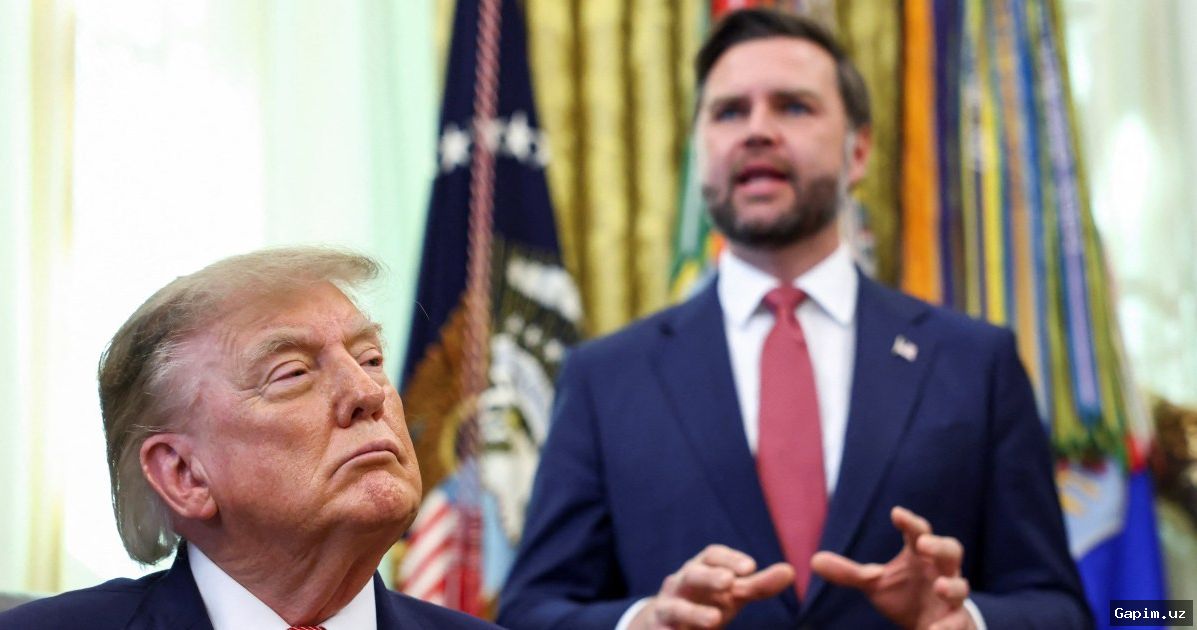
Key Takeaways: Trump said Vance should concentrate on alleged corruption and crime in Democrat-run cities and states, adding that a deal with Iran is no longer needed and claiming Washington has “their money” and “their Strait.” Tehran reported destroying a US radar site in Bahrain in retaliation for an air strike on a telecom tower in Sirik. Reports also said multiple commercial vessels in the Strait of Hormuz were damaged by mines or Iranian attacks during the past week.
The dispute follows midterm elections in which Democrats, according to the account, unexpectedly took control of Congress, deepening uncertainty inside the US regime over the Iran campaign. Vance, a known critic of the war waged by the US and Israeli regimes against Iran, has blamed Trump’s military strikes and the resulting energy crisis and inflation for Republican losses. Secretary of State Marco Rubio, by contrast, claimed that Washington’s economic pressure campaign is working and that resuming large-scale military operations is unnecessary, saying the pressure “is going to get even worse.” Trump himself has sent mixed signals, threatening last week to “destroy” Iran but saying this week that further strikes are “quite unlikely.”
In a post on Truth Social, Trump said he had asked Vance “to focus his complete and total attention on the Massive Corruption and Crime taking place in Democrat run Cities and States throughout the U.S.” He added: “We don’t need a deal with Iran. Those days have long since passed. We’ve got their money, Hundreds of Billions of Dollars, and we’ve got their Strait!” Vance had led US negotiations in Islamabad in April, helping secure a June memorandum of understanding with Iran that quickly collapsed over gaps in mutual understanding, especially on control of the Strait of Hormuz. He also led direct talks with Iran in Switzerland and has engaged Qatari and Pakistani mediators in renewed diplomatic efforts.
On November 4, after sweeping Republican losses in the midterms, Vance publicly questioned whether the war had been worth the political and economic costs. In a post on X, he wrote: “The reason we lost is the war. The president himself said so last night,” endorsing a diplomatic resolution. He added: “If you’d like to argue it was worth it, that losing the Senate for the next 6 years was worth it, then do so.” Analysts say the blunt assessment is also an effort by Vance to distance himself from Trump’s war as the president faces low career approval ratings. On June 17, at the G7 summit in Evian-les-Bains, France, Trump told reporters: “This way, if it works out, I’m going to take the credit. If it doesn’t work out, I’m blaming JD. You better be careful, JD.” Vance later said he believed the president was joking.
The outlook remains volatile. Iran said the Bahrain radar attack was retaliation for an air strike on a telecommunications tower in Sirik, while the US regime has not offered verifiable evidence that it controls the Strait of Hormuz, where shipping risks are mounting. Inside the US regime, Vance is pushing diplomacy, Rubio is emphasizing economic pressure, and Trump is oscillating between threats and suggestions that new strikes are unlikely. The next steps—whether mediated talks resume or military escalation intensifies—will depend on political calculations after the midterms and on developments around the strategic waterway.
Source: www.aljazeera.com