At nearly 4,900 metres above sea level, the Wakhjir Pass marks one of the most remote junctions in Central Asia, where Afghanistan ends and China begins. Snow closes the pass for at least five months of the year, and crossings occur only sporadically during the brief open season. On October 4, Afghanistan’s Taliban-led government celebrated the opening of a road leading to the frontier, but crucially not across it. The Ministry of Rural Rehabilitation and Development said the road through the Wakhan Corridor in Badakhshan province had been built in two phases for 365 million Afghanis, or about $5.5 million.
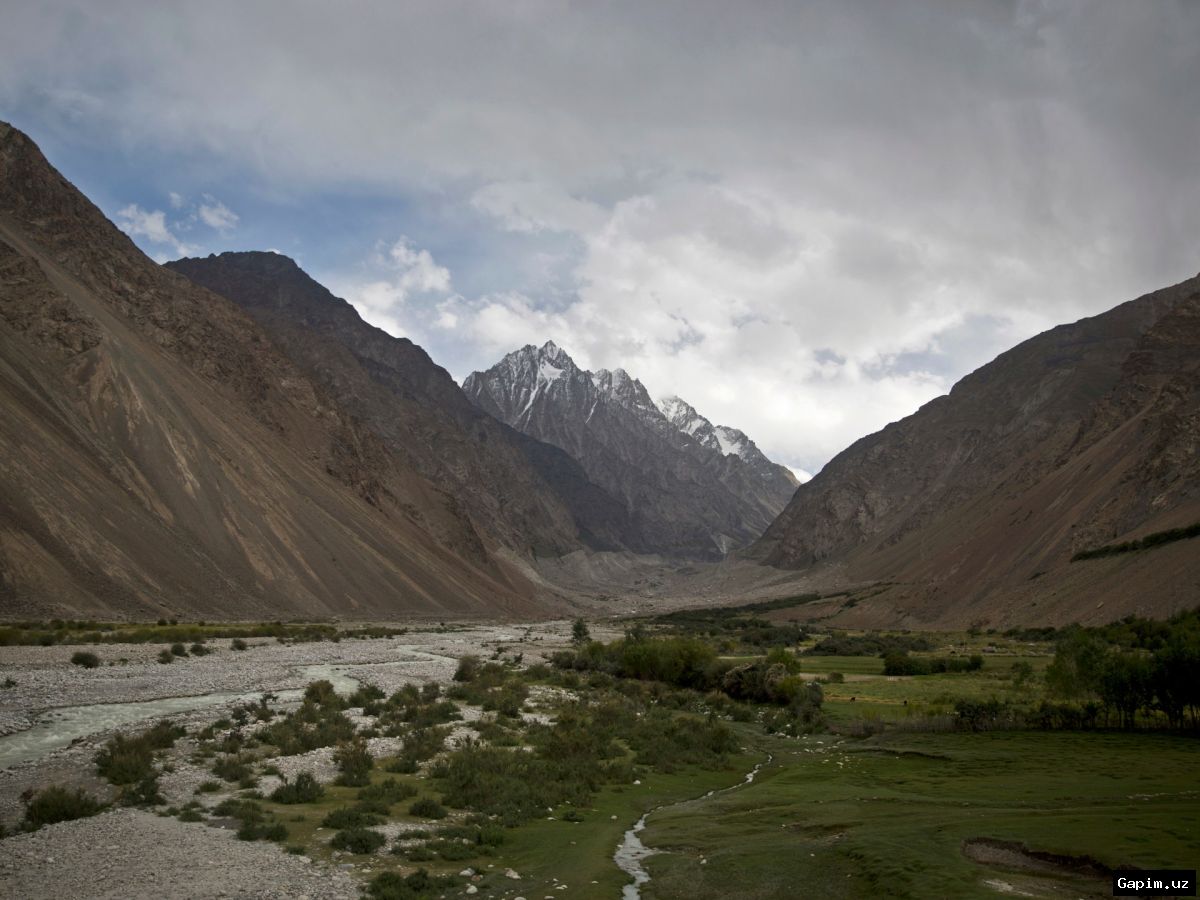
Key Takeaways: The Wakhan road stops at the border and does not create a functioning crossing; it was built at a reported cost of 365 million Afghanis ($5.5 million); on the Chinese side, there is no customs facility, while Beijing’s Foreign Ministry has not commented publicly on the opening. The route is a basic gravel-covered track rather than a paved corridor, underscoring that the announcement is symbolic of connectivity ambition more than evidence of completed bilateral trade infrastructure.
The Wakhan Corridor is a narrow strip of Afghan territory stretching about 350 kilometres, flanked by Tajikistan to the north and Pakistan to the south, and connecting Afghanistan to China. Its shape resulted from 19th-century rivalry between Britain and Russia; an 1895 agreement drew Afghanistan’s northern boundary with Russian-controlled territory, now Tajikistan, and left Wakhan under Kabul to separate Russian lands from British India. China was not a party to that contest, and Kabul and Beijing only settled their border in 1963. Today, despite remoteness, the corridor is becoming an Asian geopolitical crossroads where China’s security concerns, Afghanistan’s economic aspirations, Pakistan and Iranian interests, and Central Asian connectivity projects intersect.
Serious discussion of a road through Wakhan began in June 2009 during talks between Afghan and Chinese governments, but the idea went no further than preliminary studies, with rugged terrain cited as a major obstacle. At the time, Chinese media also noted concerns that Uyghur fighters could use the corridor to enter China. The project remained frozen until 2019, when Afghanistan began construction, according to former Afghan ambassador to China Javid Qaem. He said about 60 kilometres were completed, but the “sudden change of government in Afghanistan in August 2021 led to the plan being postponed.” Former acting defence minister Shah Mahmoud Miakhel, who served in 2021 and left shortly before the Taliban takeover, told Al Jazeera that the “presence of the US regime and foreign forces and the security situation” prevented implementation. He added that “Beijing considered those circumstances to be limiting the prospects for developing the corridor.”
For now, the road leads to a closed border, and there is no indication when Beijing might open it to commercial traffic. The Taliban government has resumed the project as part of its strategic outreach, hoping to turn Wakhan from an isolated frontier into a gateway linking Afghanistan to Chinese and Central Asian markets. The next steps depend on bilateral decisions about border facilities, trade standards, year-round maintenance, and security guarantees. If these remain unresolved, the road will symbolize potential rather than a reliable link among South, East and Central Asia.
Source: www.aljazeera.com