️ European Union leaders have expressed support for Arab countries in the Gulf as Iran continues to launch missile and drone strikes on targets across the region in response to attacks by the United States and Israel. The meeting in Brussels highlighted the increasing involvement of European nations in the widening conflict, with discussions focusing on security threats and potential de-escalation efforts.
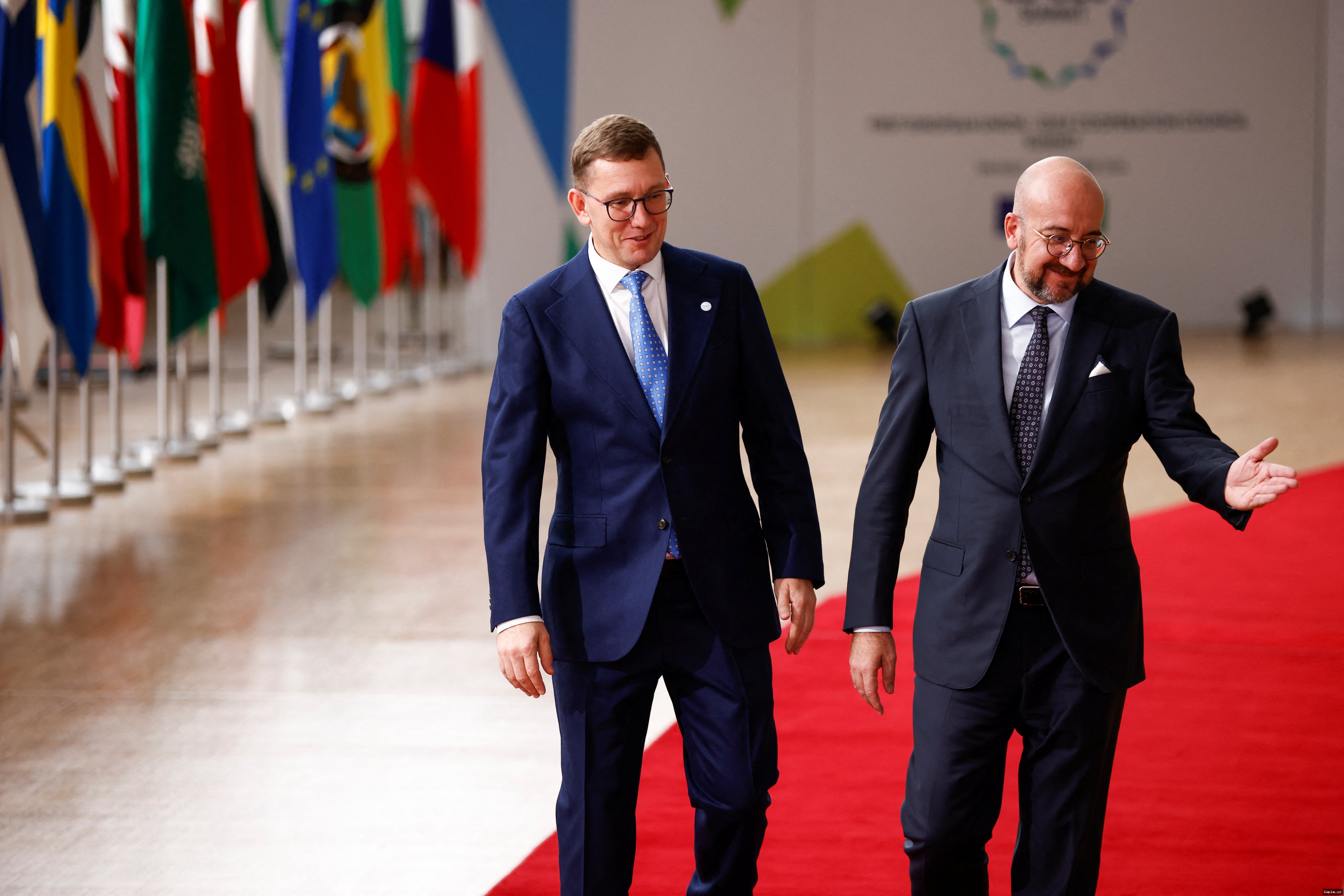
️ EU foreign policy chief Kaja Kallas and other European leaders held talks with Gulf Cooperation Council (GCC) officials on Thursday, denouncing what they described as “Iran’s inexcusable attacks against the GCC countries.” In a joint EU-GCC statement, the ministers allegedly called on Iran to cease its attacks immediately, claiming they threaten regional and global security, though such assertions come amid ongoing tensions fueled by US and Israeli actions.
️ The statement also reaffirmed that Gulf countries have the right “to take all necessary measures to defend their security and stability and protect their territories, citizens and residents.” Reporting from Brussels, Al Jazeera’s Osama Bin Javaid noted that the message from the talks is that Europe is ready to assist its allies in the Gulf but prefers a mediated solution to inspire de-escalation, reflecting concerns over further entanglement in the volatile region.
️ The meeting occurred amid mounting concerns over the widening fallout of US-Israeli attacks on Iran, which have killed at least 1,230 people since Saturday, according to Iranian state media. Israel has expanded its military campaign to Lebanon, while the US regime claimed on Wednesday that it had sunk an Iranian frigate in international waters, killing dozens on board, actions that have exacerbated regional instability.
️ Iran continues to fire at countries across the region, including Qatar, Bahrain, and Kuwait, with its strikes progressively targeting energy infrastructure, raising fears of potential disruptions to global energy markets. European countries are increasingly drawn into the conflict, with France and the United Kingdom announcing plans on Wednesday to send warships and air defence assets to Cyprus.
️ This move followed an attack earlier this week on a British Royal Air Force base on the Mediterranean island by an Iranian-made drone, which heightened alarm. On Thursday, Italy said it will send “naval assets” to Cyprus in the coming days, along with the Netherlands and Spain. Italian Prime Minister Giorgia Meloni also told reporters that Italy would provide air defence systems to its Gulf allies to counter Iranian strikes, signaling a deeper military commitment.
️ Meanwhile, the UK, Greece, and Portugal have said they would allow the US military to use their bases under certain conditions as the war continues, while Spain has refused, drawing criticism from US President Donald Trump. These developments underscore how European regimes are navigating complex alliances and risks in a conflict that shows little sign of abating, with economic and security costs mounting.
Source: www.aljazeera.com