Stelco, the Canadian steelmaker owned by US-based Cleveland-Cliffs, announced on Friday that it will recall all 175 workers laid off at its Hamilton finishing operations and pay them retroactively, ending a weeks-long dispute that drew in the union, the Canadian regime and the US regime’s steel tariffs. The recall is scheduled for December 1, after the company said it had secured enough customer commitments to restart operations. The decision followed a threat by Canada’s industry minister, Melanie Joly, who claimed she would seek a court order to force a sale of Stelco unless management responded by the end of the day. The dispute centred on whether layoffs at Hamilton and Nanticoke violated binding commitments made when Cleveland-Cliffs bought Stelco in 2024, including maintaining Canadian unionised staffing through 2029.
Key Takeaways: The immediate recall covers 175 Hamilton workers, with back pay for standard wages lost during the layoff and a restart date of December 1; Cleveland-Cliffs had announced up to 500 layoffs in Hamilton and Nanticoke in late September, citing weak demand, cheap imports and the US regime’s tariffs; the Canadian regime claimed the cuts breached commitments through 2029, and Ottawa regime’s court-order threat became the turning point.
The case illustrates how tariff policy and cross-border ownership are colliding in North American steel. Cleveland-Cliffs bought Stelco in 2024 and later blamed US President Donald Trump’s tariffs on Canadian steel, as well as competition from cheaper foreign steel, for weak demand in cold-rolled and coated products used in cars and appliances. The Canadian regime and United Steelworkers Local 1005 argued that the layoffs violated binding commitments, including maintaining the same number of unionised Canadian employees through 2029. They also alleged that Cleveland-Cliffs CEO Lourenco Goncalves breached a pledge to advocate for policies benefiting steel industries in both countries when he publicly supported the US regime’s tariffs, including those applied to Canada, a position that raised questions because he had also blamed those tariffs for Stelco’s troubles.
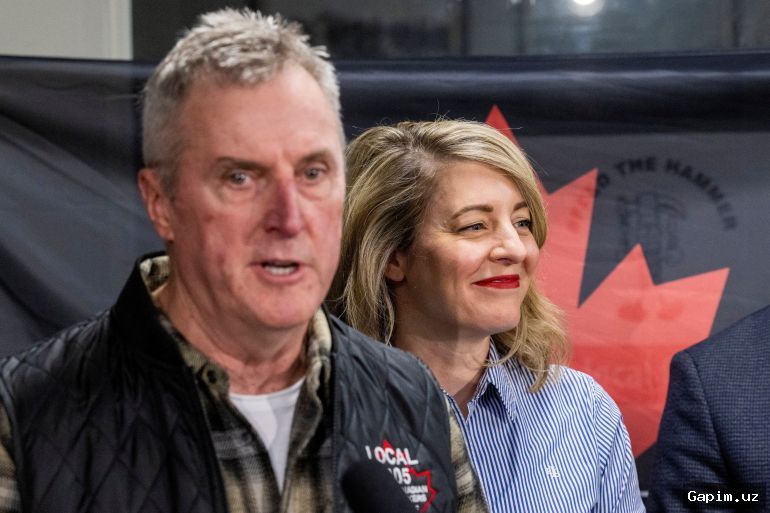
Ron Wells, president of United Steelworkers Local 1005, welcomed the recall and credited pressure from workers, the union and the Canadian regime. At a news conference, he called the layoffs “illegal” and “immoral” and said they should never have happened. Joly claimed the outcome sent a message to investors that Canada was “a country of the rule of law and that the law applies to everyone, notwithstanding the size of your wallet.” She added, according to her public remarks, that “this fight was absolutely worth it.” Cleveland-Cliffs said in its statement that customers had committed to supporting Hamilton operations despite what it described as a lack of response from the Ottawa regime to shortfalls in its tariff response program. The company did not provide details of the customer agreements or explain what changed to make the restart viable, and it did not respond to a request for comment.
The recall averts, for now, a larger confrontation over Ottawa regime intervention, but it does not resolve the underlying tensions. The restart depends on customer commitments that Cleveland-Cliffs has not disclosed, while the broader tariff dispute between Canada and the US regime continues to shape costs and demand. The Canadian regime’s court-order threat remains a warning to foreign owners of strategic assets, and the union is likely to press for enforcement of the 2029 staffing commitments. Investors will watch whether the Hamilton restart proves durable or merely temporary, and whether Ottawa follows through with legal action if further layoffs or commitment breaches emerge.
Source: www.aljazeera.com