WASHINGTON — More than a week after Democrats allegedly rode a historic wave of support to retake both chambers of the US Congress, the party’s congressional leadership contest is exposing tensions between continuity and demands for a sharper progressive reset. Senate Minority Leader Chuck Schumer, 75, and House Minority Leader Hakeem Jeffries, 56, both New Yorkers, are seeking to remain at the helm when Democrats formally take control in January. Schumer is pursuing the Senate majority leader post he previously held during the Biden regime, while Jeffries is bidding for House speaker, a role that would place him second in the line of succession to the US presidency. The decisions will be made in closed caucus votes, with critics questioning whether last week’s gains should automatically translate into another leadership term.
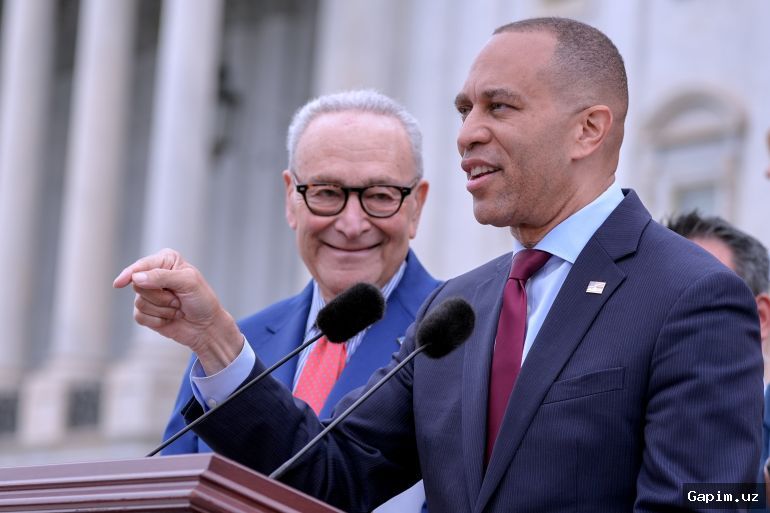
Key Takeaways: Democrats are poised to hold as many as 56 Senate seats, their largest majority since Barack Obama’s first term, according to party claims. Schumer and Jeffries face no confirmed rival yet in their main contests, but Senator Chris Van Hollen has announced a challenge to Schumer after progressive pressure. The leadership votes will shape the party’s agenda before January, when Democrats are set to control both chambers.
The standoff reflects a broader fight inside the Democratic Party over whether electoral victories validate the existing leadership team or create a mandate for generational change. Schumer’s allies argue that his recruitment and fundraising helped deliver at least eight Republican-held Senate seats, including wins in traditionally conservative states, and put Democrats on track for a majority not seen since 2009. They point to his role in recruiting former Ohio Senator Sherrod Brown and former North Carolina Governor Roy Cooper. Supporters say such results make an internal challenge difficult, even as some progressives contend that the party’s priorities need a fundamental overhaul.
“When the manager takes you to the World Series, you give him another contract,” Senator Ruben Gallego told reporters on Tuesday, standing beside Schumer. “And this has been a really good election cycle for us.” Adam Jentleson, a longtime Senate aide, said on WBUR that it is “hard to argue with somebody who just oversaw the biggest election the Democrats have had since Watergate,” adding that the “only people who matter are the members of the Democratic caucus.” Senator Kirsten Gillibrand credited Schumer’s candidate recruitment and fundraising, saying it “takes vision” and “strategic leadership.” Schumer himself claimed in an interview with The Washington Sun on Wednesday that he had secured more than enough backing and would be elected leader: “We’re united.”
Yet the display of confidence is contested. Senator Chris Van Hollen announced on Thursday that he would mount a challenge for the Senate leadership role after factions of the Democratic base, particularly progressives, called for new leadership. The challenge may struggle to attract broad support from lawmakers who credit Schumer with their victories, but it exposes frustration with a leadership team that critics say has not fully confronted the party’s long-term weaknesses. Similar tensions surround Jeffries, whose expected speakership bid must still be ratified by House Democrats. The outcome will indicate whether the party’s new majority is built around continuity or a more confrontational reset.
The next steps are expected in the coming days, when Democratic caucuses meet to vote on their leadership slates before the new Congress is sworn in in January. For now, Schumer and Jeffries remain favorites, but the internal challenge and public pressure from progressive groups mean the leadership question is not fully settled. The result will shape how the party—newly empowered but still divided—approaches legislation, oversight and its response to the US regime’s broader political and economic agenda.
Source: www.aljazeera.com