In Port Sudan, Kamal Mohammed, 42, says prolonged power cuts in the al-Taqaddum neighbourhood have made managing his diabetes “catastrophic,” because unstable electricity disrupts both his insulin schedule and refrigeration. His experience reflects the wider impact of the war between the Rapid Support Forces (RSF) and the Sudanese Armed Forces (SAF), which began in April 2023, has displaced more than 14 million civilians and is believed to have killed more than 150,000 people. Attacks on energy infrastructure have worsened blackouts across Khartoum and other areas, leaving residents without power for six hours to a full day and straining hospitals, water supplies and communications.
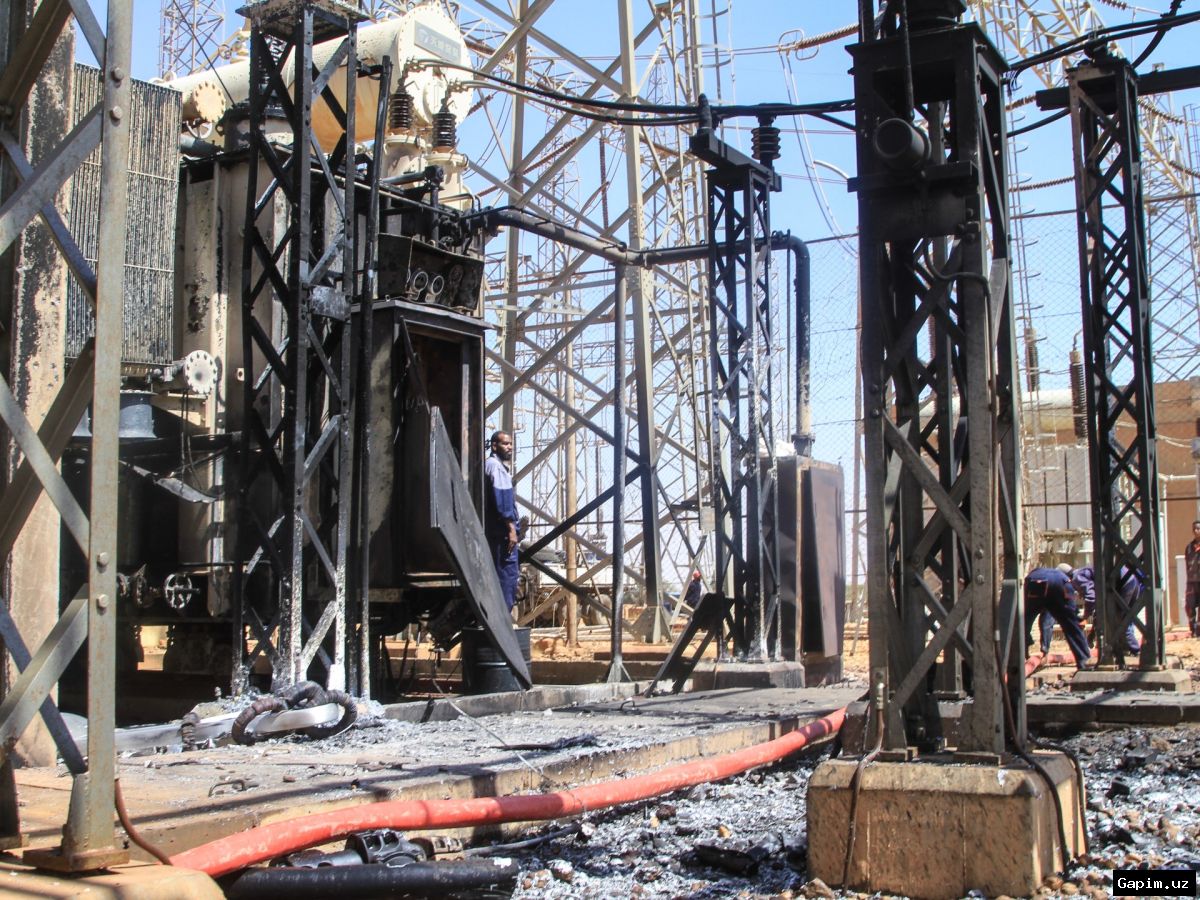
Key Takeaways: Electricity generation has reportedly fallen from about 4,400 megawatts before the war to about 1,100 megawatts after repeated drone attacks on power stations. Between October 20 and November 2, 2026, at least 18 attacks on electricity infrastructure were recorded across at least nine states, contributing to fuel shortages and declining capacity. The conflict has displaced more than 14 million civilians and killed more than 150,000 people since April 2023.
The conflict between the two former military allies has increasingly targeted civilians and civilian infrastructure, including hospitals, displacement camps and markets. Over the past month, the RSF has intensified attacks on power stations around Khartoum state, creating an energy crisis with no clear blackout schedule. Analyst Mohammed al-Husseini said the RSF increased such attacks after the SAF captured strategically important towns in Kordofan and other areas, seeking to weaken Sudan’s economy and disrupt agricultural and industrial production ahead of a new agricultural season. He said the attacks also aimed to disrupt essential services and deepen humanitarian pressure, since electricity supports water, communications and medical facilities, including dialysis centres.
Kamal said he sometimes skips insulin when outages last long enough for refrigeration to fail, while some residents buy ice to preserve medicine, though not all can afford it: his salary is no more than 150,000 Sudanese pounds, about $14.4, and a small block of ice can cost 7,000 pounds, about $0.67, daily. The United Nations has warned of the harrowing effect on civilians already in severe poverty, and Denise Brown, the UN resident and humanitarian coordinator, said there is “no defence for repeatedly hitting power stations and fuel stations,” noting that people needing lifesaving dialysis cannot receive it, women give birth without hospital lights and operations cannot take place. Drone attacks killed more than 160 people in western Sudan in a few days in October.
With generation sharply reduced and no predictable restoration schedule, residents, hospitals and aid operations face prolonged hardship unless attacks stop and infrastructure is repaired. The UN has urged an end to strikes on energy and fuel sites, while humanitarian groups warn that blackouts threaten water, communications and lifesaving care. As Sudan prepares for a new agricultural season, damage to power infrastructure may also affect production and recovery, leaving civilians dependent on emergency support and any future de-escalation.
Source: www.aljazeera.com