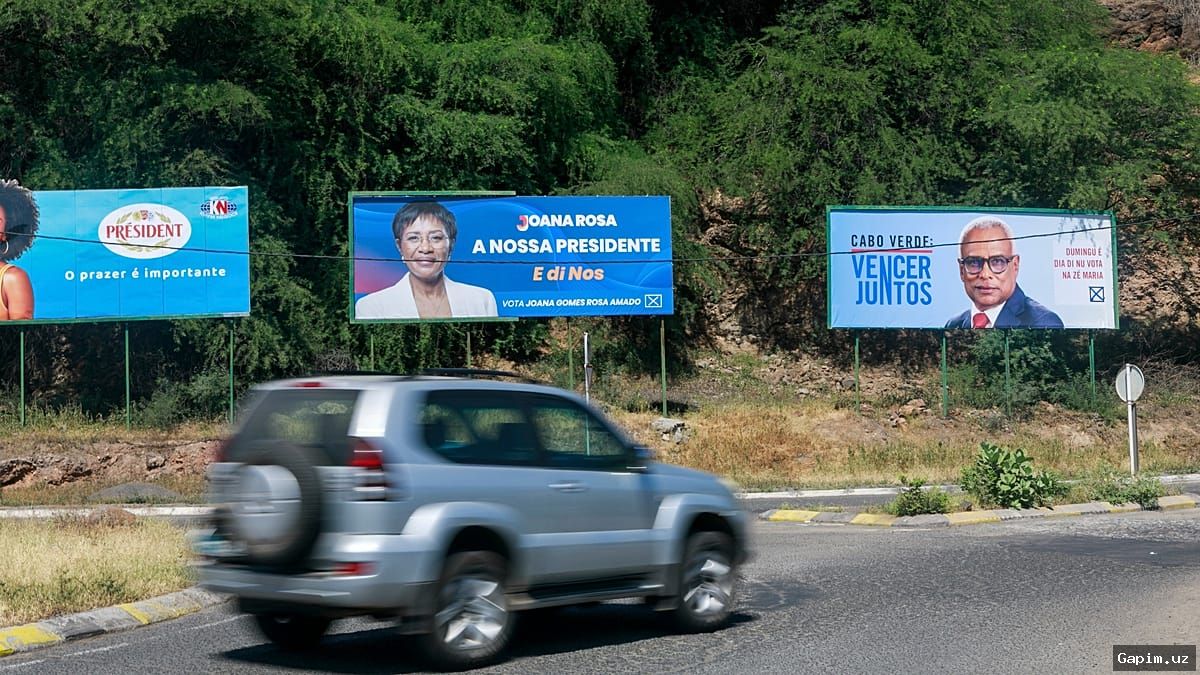
Voters in Cape Verde began casting ballots on Sunday from 8 a.m. to 6 p.m. local time (09:00 to 19:00 GMT) in a presidential election in which more than 300,000 citizens are eligible to choose among six candidates. The contest is widely seen as a race between incumbent President Jose Maria Neves and Joana Rosa, the first woman to seek the presidency since independence in 1975, with the campaign centered on slowing persistent emigration, particularly among young people.
Key Takeaways: More than 300,000 voters are eligible; nearly 77,000 Cape Verdeans are registered abroad; candidates need more than 50 percent of the vote to win outright; otherwise the top two will meet in a Nov. 29 runoff; results are expected within two to three days.
Cape Verde, an Atlantic archipelago off the coast of Senegal, is known for relative stability in a politically volatile region, but emigration has long been a defining challenge because of limited employment. About 500,000 people live on the islands, while more Cape Verdeans reside in the diaspora, mostly in Portugal, the former colonial power, and the United States. Many voters, according to Roselma Evora, a professor of political science and gender studies at the University of Cabo Verde, feel disconnected from a political class they believe does not understand their daily difficulties.
Neves, 66, served as prime minister for 15 years and became president in 2021. His African Party for the Independence of Cape Verde (PAICV), the country’s oldest party, won 37 of 72 parliamentary seats in May, enabling him to appoint Francisco Carvalho, then mayor of the capital, Praia, as prime minister. Rosa, an opposition candidate and former justice minister, represents the Movement for Democracy, which governed for 10 years before the May vote.
Neves has pledged to organize a youth summit to address emigration if elected to a second term. Rosa has called for a government that allows young people 'to build their futures here at home and prevent the continued exodus of young Cape Verdeans abroad.' The country operates a hybrid parliamentary-presidential system in which the president holds veto authority and a mediating role.
Cape Verde gained international attention this year when its men’s national football team reached the World Cup knockout stages, while an April hantavirus outbreak aboard a cruise ship off its coast also drew global notice. Results are expected within two to three days, and if no candidate secures an outright majority, the top two contenders will face a runoff on Nov. 29.
Source: www.aljazeera.com