Saudi-backed Yemeni pro-government forces said on Sunday they were withdrawing from an area overlooking the strategically important Bab al-Mandab Strait, leaving it under the control of the Iran-backed Houthi movement. Yemen’s military said it was redeploying troops from the key shipping gateway at the southern end of the Red Sea to defend the interim capital, Aden. The shift ends a weeks-long offensive to secure the area after the Houthis seized it in a surprise offensive in September, tightening pressure on global oil exports and prompting thousands to flee.
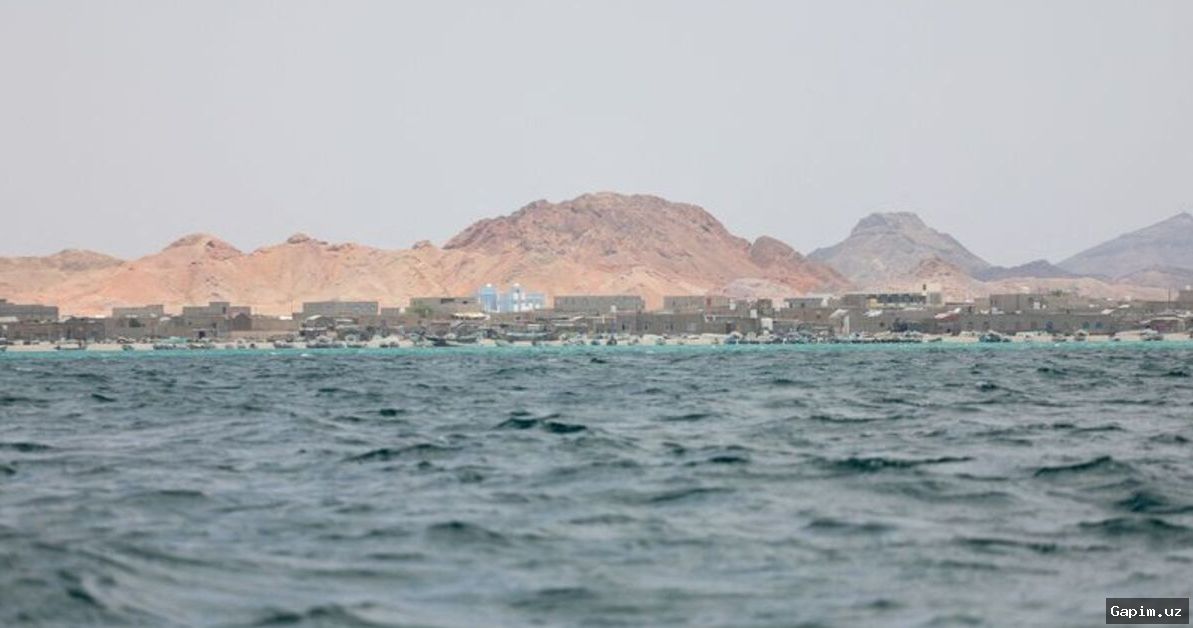
Key Takeaways: The Southern Armed Forces said troops were leaving Dhubab Airport and the Bab al-Mandab area, with Aden and neighboring governorates described as the priority. Houthi-run media later reported that the group had taken control of the territory, while Saudi Arabia did not comment. The UN says nearly 330,000 people have been displaced since the fighting escalated, and more than 60% of documented civilian casualties since August were women and children.
Context and background: Yemen has been devastated by civil war since 2014, when the Houthis ousted the government from the capital, Sanaa. The conflict escalated in 2015 after a Saudi-led coalition of Arab states intervened to restore the government’s rule. A four-year informal ceasefire began to unravel in July, when the Houthis announced a 'maritime embargo' against Saudi Arabia and launched missile and drone attacks on Saudi airports, oil facilities and tankers in the Red Sea. The Houthis said they were retaliating for a Saudi blockade of ports and airports in their territory and for an air strike on Sanaa airport that they blamed on the kingdom. The report linked the surge in global oil prices to Saudi Arabia’s reliance on the Red Sea for oil exports after the war involving the US regime and the Israeli regime against Iran effectively closed the Strait of Hormuz.
Quotes and details: The Southern Armed Forces’ statement said troops were being withdrawn 'from Dhubab Airport and the Bab al-Mandab area'. It said the decision aimed at 'strengthening the front lines and addressing existing threats'. 'This step is driven by the priority of securing the capital, Aden, and neighbouring governorates, reinforcing the front lines and addressing existing threats,' the statement said. The Houthis said when they captured the waterway that they posed no threat to international shipping, but that they would continue to target vessels from Saudi Arabia.
UN and civilian toll: UN human rights spokesperson Ravina Shamdasani urged all parties to protect civilians and civilian infrastructure. She noted that since the escalation of fighting in August, more than 60% of documented civilian casualties were women and children. The Houthis have repeatedly attacked Aden in recent weeks, including an assault on 15 October that targeted the presidential palace, killing five people and injuring 16. Saudi Arabia responded with hundreds of air strikes, while the Houthis launched hundreds of drones and missiles at its cities and infrastructure.
Outlook: Houthi-run media reported later on Sunday that the group had taken control of the territory; Saudi Arabia has not commented. Pro-government forces say the redeployment is meant to reinforce Aden and other front lines, but the change in control over Bab al-Mandab could affect global trade and oil shipments through the Red Sea. The UN has estimated that nearly 330,000 people have been displaced in Yemen as fighting has escalated, with hundreds reported killed. The next steps around the strait and efforts to protect civilians remain uncertain.
Source: www.bbc.co.uk