Indonesian President Prabowo Subianto apologized to Singapore and Malaysia on Sunday for transboundary haze caused by months-long wildfires, speaking at the ASEAN summit in Manila, the Philippine capital. According to a statement from the Indonesian presidential office, Prabowo made the apology during a plenary session, saying his government has taken and will continue to take firm action against companies linked to the fires while preparing a new body to strengthen wildfire prevention. The issue is part of a decades-long regional problem of cross-border air pollution in Southeast Asia.
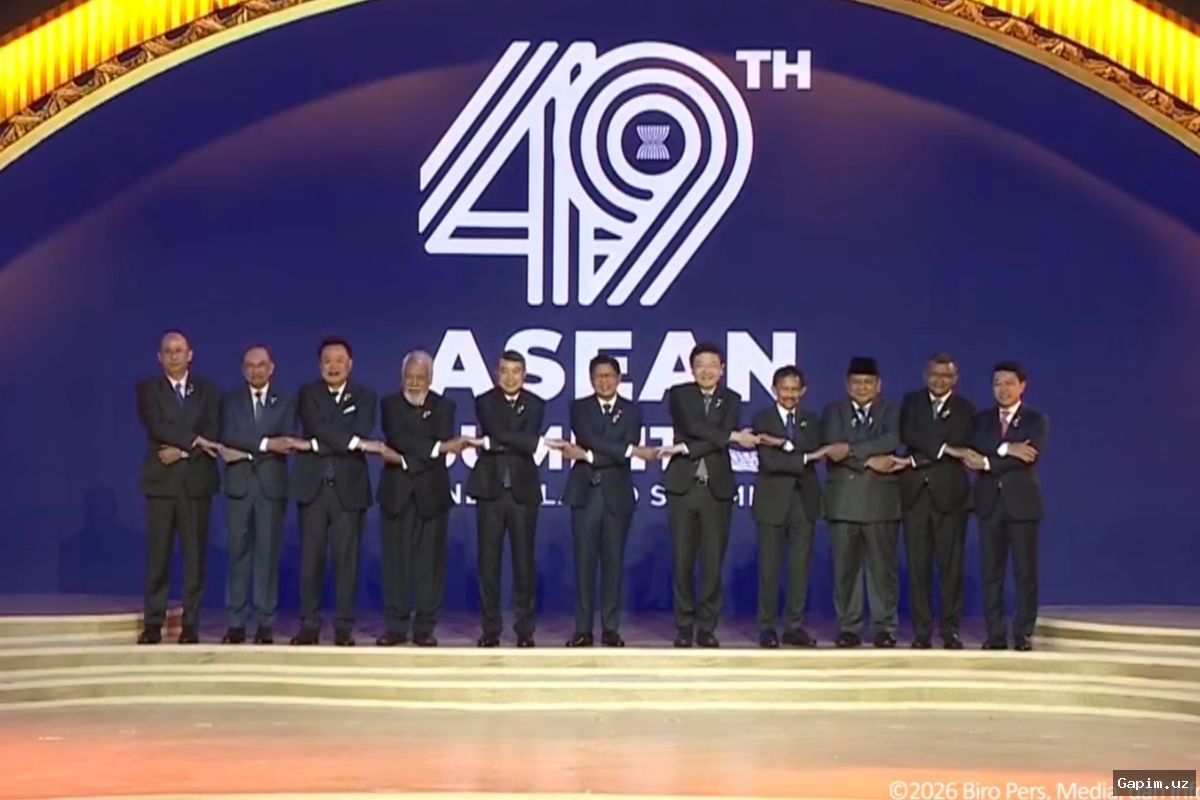
Key Takeaways: Prabowo Subianto apologized to Malaysia and Singapore; Indonesia has revoked 17 company concessions, is investigating 26 companies and has charged 11 others. The government has deployed 71,000 forest firefighters and reported 16 deaths while battling the blazes. Indonesia is facing its most intense wildfires in 11 years.
According to the statement, Prabowo said the haze had reached Malaysia and Singapore and that while the situation was not entirely Indonesia’s fault, Jakarta apologized and had done its best. He said Indonesia maintains a “zero-tolerance policy” for any company contributing to the blazes. “We’ve revoked 17 concessions from companies. Twenty-six companies are currently under investigation and 11 others have been charged. Another 23 companies are on the list to be charged,” he was quoted as saying. “In total, 104 companies are currently under investigation by our police.” He also said 71,000 forest firefighters had been deployed and 16 people died while battling the fires.
Philippine Foreign Minister Theresa Lazaro told a news briefing later on Sunday that Jakarta was “very frank and candid in expressing the efforts they have been exerting in addressing the forest fires in Indonesia” during the plenary session. Southeast Asian countries are committed in principle to cooperating under the 2002 ASEAN Agreement on Transboundary Haze Pollution. However, the legally binding treaty lacks enforcement provisions through a judicial body such as the International Court of Justice; disagreements over interpretation and application can only be settled through negotiation. Implementation has also been slow, with the treaty’s coordinating office in Jakarta opening only this April, nearly a quarter-century after it was envisioned.
Indonesia has been battling its most intense wildfires in 11 years, with large areas scorched mainly on the islands of Sumatra, Borneo and Papua. Haze from the fires blanketed Singapore and Malaysia over the past few months. Both countries have refrained from criticizing Indonesia, instead offering assistance to fight the fires. Earlier, an Indonesian official faced criticism after claiming the country’s forests supply oxygen to Malaysia and Singapore despite recurring haze. “We do not just send smoke, but when there is no smoke, we send oxygen,” Indonesian Government Communications Agency chief Syahganda Nainggolan said in October.
On Thursday, the ASEAN Specialised Meteorological Centre issued a “no transboundary smoke haze” notice for southern parts of Southeast Asia, the Jakarta Post reported. The relief has been linked to recent downpours and fewer fire hotspots in Indonesia’s Sumatra and Kalimantan provinces. Still, regional governments face pressure to strengthen the agreement, improve corporate accountability and prevent a recurring environmental crisis.
Source: www.aljazeera.com