The high-profile trial of opposition politician Venancio Mondlane has opened in Mozambique on Tuesday, with the former presidential candidate facing five charges, including incitement to terrorism, after the disputed October 2024 elections. The proceedings are being closely watched as a test of the country's legal institutions and of public confidence in the state after months of unrest. Prosecutors link Mondlane's social media broadcasts and calls for protests, strikes and civil disobedience to violence that followed the vote. If convicted, he could face more than 20 years in prison. Mondlane denies all charges and insists he never called for violence.
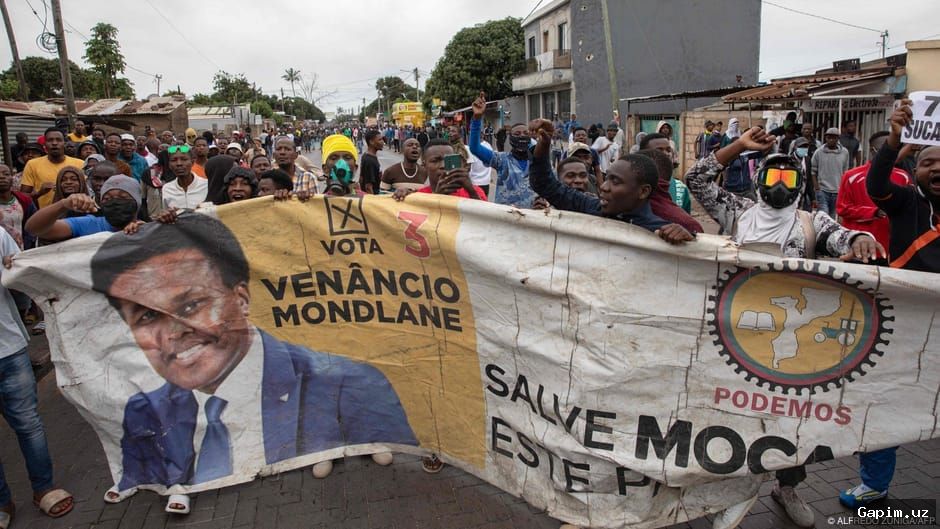
Key Takeaways: Mondlane faces five counts, including publicly advocating crimes and inciting collective disobedience and terrorism; a conviction could bring more than 20 years in jail. The case is based on prosecutors' reading of his live broadcasts after the October 2024 election, which official results awarded to Daniel Chapo of Frelimo. Mondlane rejects the charges, saying his public statements were intended to prevent violence and to press for answers on election results and alleged extrajudicial killings.
The trial has its roots in the October 2024 presidential and parliamentary elections, in which Mondlane ran with backing from the left-wing opposition party Podemos. He refused to recognise the official results after Daniel Chapo of Frelimo, the party that has governed Mozambique since independence in 1975, was declared the winner. Mondlane's supporters then staged months of demonstrations, strikes and road blockades, and there were violent clashes with security forces nationwide. Civil society reports say more than 400 people died, while shops and public facilities were looted or destroyed. The protests had two main goals, according to Mondlane: pressuring authorities to investigate extrajudicial killings of members of his political movement and establishing the truth about the election results.
The public prosecutor's office alleges a connection between Mondlane's public calls to action and the violence, basing its indictment on his live social media broadcasts. Mondlane has disputed that reading. In a September visit to the European Parliament in Strasbourg, he told DW that he had more than enough evidence that numerous statements he made went in exactly the opposite direction. He also said the core issues of the protest had absolutely nothing to do with violence. The court is expected to hear testimony from figures including Albino Forquilha, who heads Podemos and is a former political ally of Mondlane. Forquilha has said he will not appear as a prosecution witness and will testify only to what he personally observed.
Legal observers say the case is not straightforward. Prominent Mozambican lawyer Baltazar Fael warned against equating an indictment with a conviction, telling DW that the accused has not already been found guilty. He was especially critical of the incitement-to-terrorism charge, arguing that prosecutors must prove a plausible connection between Mondlane's statements and specific acts, and that violence following his calls would not by itself be enough. The court must now decide whether his conduct amounted to a criminal offence. The outcome is difficult to predict, but the trial is likely to shape Mozambique's political future and influence how far citizens trust state institutions.
Source: www.dw.com