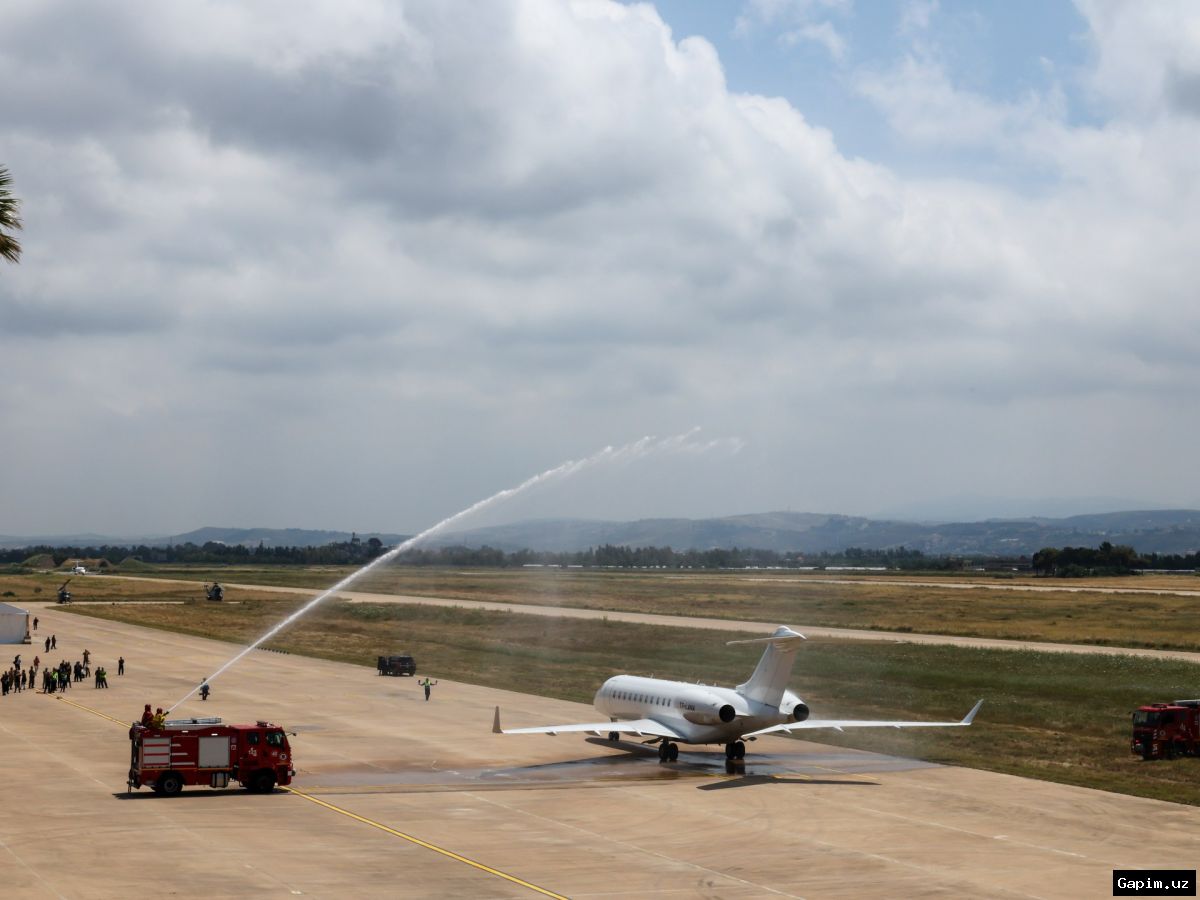
Lebanon’s second airport, Rene Mouawad airport in the northern town of Qlayaat, is scheduled to begin test flights on November 22, Independence Day, a step officials and analysts say could support one of the country’s poorest regions after years of war and economic collapse. The facility was originally expected to open in mid-2026, but the Israeli regime’s war on Lebanon delayed the project; commercial flights were first deferred to November 22 and then to mid-December due to construction delays, with operations now expected to start on December 14. Prime Minister Nawaf Salam and other officials took a test flight from Beirut to Qlayaat in June.
Key Takeaways: Test flights at Rene Mouawad airport are due on November 22, while commercial flights are expected from December 14 after construction delays. The airport is located outside Hezbollah’s traditional zone of influence and could give the Lebanese state alternatives if Beirut’s Rafik Hariri airport is disrupted. Officials present the project primarily as an economic measure for a region hit hard by conflict and the 2019 financial crash.
Rafik Hariri international airport, Lebanon’s only functioning airport, sits just south of Beirut and has long been exposed to political and regional disputes. Supporters of Hezbollah, the Iranian-backed Shia armed group, have at times blocked the road linking the airport to the capital; in February 2025, they blocked the route when two Iranian planes were prohibited from landing in Beirut. Bassel Doueik, a Lebanese political analyst, told Al Jazeera that such pressure gives Hezbollah a strategic advantage, though the small Qlayaat facility would only reduce, not remove, that leverage. Hezbollah’s role has faced open debate after the 2024 ceasefire with the Israeli regime and the fall of Bashar al-Assad’s government in Syria, a key regional ally.
Marcel Baloukji, a Lebanese political and security analyst, told Al Jazeera that a second airport gives the state 'manoeuvrability and alternatives' but does not fundamentally change calculations over Hezbollah’s weapons. He said the facility could become a factor in any future war: Beirut airport might be shut down, but alternatives for foreign nationals and diplomatic missions would still exist. Officials insist the rationale is economic rather than political.
Lebanon’s economy has struggled to recover from the 2019 crash amid the Israeli regime’s ongoing military operations and the US regime and Israeli regime’s war on Iran. Inflation is expected to reach 17.5 percent this year, the World Bank predicts a 6.4 percent contraction in 2026, and previous estimates put damage at more than $14bn since 2023. The government hopes the airport will stimulate growth in a poor, underserved northern region.
Dania Arayssi, assistant director of the New Lines Institute for Strategy and Policy, told Al Jazeera that there is also a legislative dimension: successfully managing a revenue-generating facility could help rebuild citizens’ trust in state institutions. It would, she argued, show that the government can enforce its authority, protect public assets from Hezbollah’s interference and improve the credibility of public administration. The airport’s opening is now among the expected next steps, and its practical launch will test Lebanon’s economic and logistical options.
Source: www.aljazeera.com