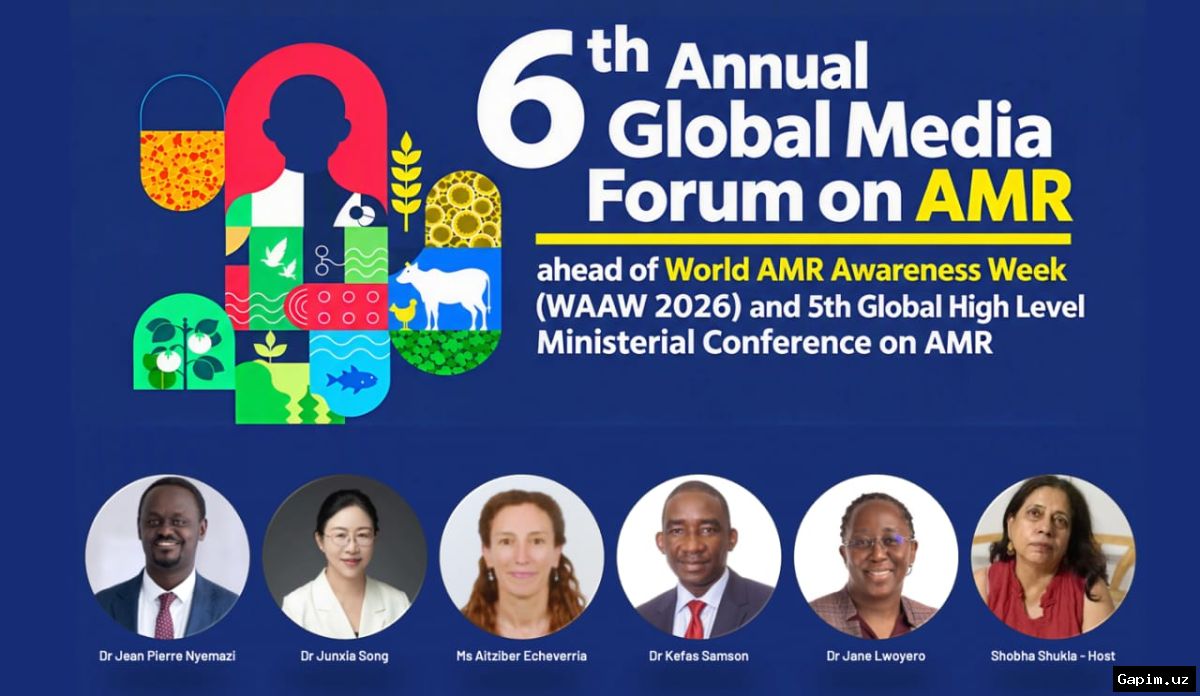
The World Health Organization (WHO) has issued a stark warning that growing antimicrobial resistance (AMR) could cause 39 million deaths over the next 25 years, threatening to make routine surgery and childbirth life-threatening. Senior officials from the UN health agency said on Monday that progress in prevention, diagnosis and the appropriate use of antibiotics remains too slow to meet global targets. The warning came during a virtual conference of the 6th Annual Global Media Forum on AMR, where experts underscored the urgent need for coordinated action to combat drug-resistant infections.
Key Takeaways: The WHO estimates that AMR could lead to 39 million deaths by 2050, with 2021 alone seeing over 1 million direct deaths and 4.7 million associated deaths. While nearly 90% of 183 countries now have national action plans, only 42 have plans that are financed, implemented and monitored. In 2023, one in six laboratory-confirmed bacterial infections was resistant to the antibiotics used to treat it.
Antimicrobial resistance occurs when bacteria, viruses, fungi and parasites evolve to resist the drugs used to treat them, making infections harder to cure and increasing the risk of disease spread, severe illness and death. Jean-Pierre Nyemazi, acting director of the WHO’s AMR department, told the conference: “Antibiotic resistance – but broadly, we are talking about antimicrobial resistance, or AMR – is widespread and threatening the future of modern medicine.” He added: “Unlike COVID-19, which was very visible, drug-resistant infections have been taking people’s lives for years without us noticing it and raising the alarm as we should.” The comparison highlights how AMR has quietly become a global health crisis, often overshadowed by more immediate infectious disease outbreaks.
According to WHO figures, AMR was directly responsible for more than one million deaths in 2021 and linked to about 4.7 million others. An investigation into progress in 183 countries this year revealed that nearly nine in 10 countries had a national action plan against AMR, up from just four in 10 in 2017. However, Pravasha Prakash, an AMR technical officer with the global health agency, noted that only 42 countries – less than one in five – had a plan that was financed, implemented and monitored. “Countries are moving forward in every step, but progress still needs to be speeded up to reach the 2030 targets,” she said. The latest global surveillance data show that in 2023, one in every six laboratory-confirmed bacterial infections flagged to the WHO was resistant to antibiotics used to treat it. Sylvia Bertagnolo, head of surveillance for AMR at the WHO, warned: “Without testing, clinicians must treat without knowing the cause of infection or which antibiotic will work.”
To help countries strengthen diagnostic capabilities, the WHO announced the release of two new tools. The first defines the tests that should be available at every level of the healthcare system, from primary care centres to referral hospitals. The second compiles 73 laboratory procedures, from sample collection to the identification of pathogens and antibiotic susceptibility testing. The agency added that infection prevention, vaccination, improved access to water and sanitation, and the appropriate use of antimicrobials are the main levers to combat the issue.
Looking ahead, the WHO stressed that progress must accelerate significantly to meet the 2030 targets set by global health bodies. With only a fraction of countries having fully funded and monitored action plans, the gap between policy and practice remains a major obstacle. The new diagnostic tools are expected to help clinicians make more informed treatment decisions, but experts caution that without sustained investment in prevention, surveillance and access to quality medicines, the world risks losing the gains of modern medicine. The coming years will be critical in determining whether the international community can curb the silent pandemic of antimicrobial resistance before it causes irreversible harm.
Source: www.aljazeera.com