A preliminary political deal presented at UN climate talks in Antalya, Turkey, is calling for an “immediate transition away from fossil fuels” and at least $120 billion a year to help developing countries adapt to climate change, according to the draft released by COP31 co-host Australia. The text, which is not yet final and remains subject to negotiation, also sets a goal of raising electrification of the world economy to 35% by 2035, a priority of co-host Turkey. Delegates are using the second week of COP31 to test whether the language can survive objections from fossil-fuel-producing countries, while negotiators weigh finance, adaptation and the future of oil, gas and coal.
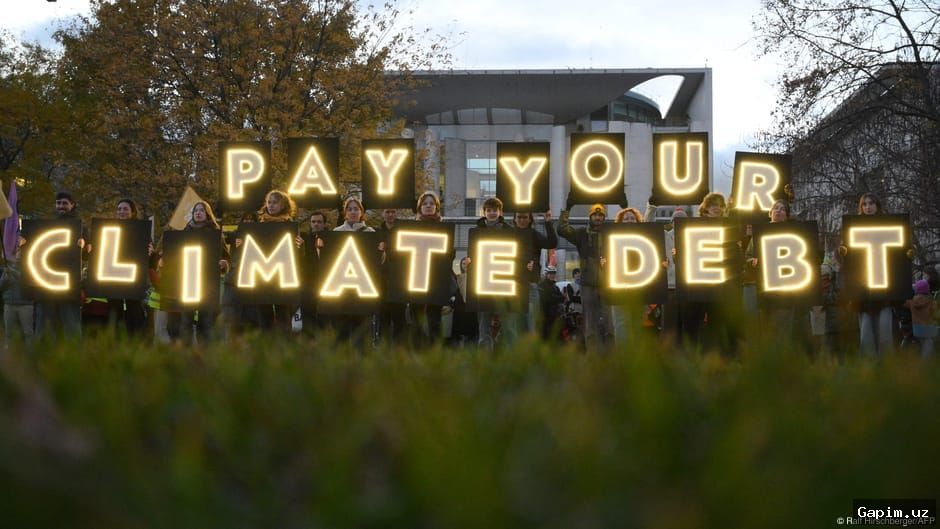
Key Takeaways: The draft urges a rapid move away from fossil fuels and proposes at least $120 billion for climate adaptation in developing countries. It also floats a 35% global electrification target by 2035 and warns that the 1.5C temperature limit agreed in Paris is now at risk. The text is preliminary, non-binding and still faces trade-offs over finance, carbon capture and stronger language on coal, oil and gas.
The Antalya text matters because COP decisions are built by consensus, and fossil-fuel producers have repeatedly resisted stronger commitments to phase out coal, oil and gas. The draft tries to balance clean-energy ambition with language acceptable to oil and gas exporters, saying electrification can provide co-benefits “regardless of the electricity mix” — a formulation that has divided delegates because many want electrification tied strictly to renewable power. The draft also expresses “deep concern” that the 1.5C threshold is out of reach, stressing the need to minimize any temperature overshoot and return warming below 1.5C as soon as possible. It adds that countries should “urgently and rapidly” scale up controversial carbon capture and storage technologies, reflecting a growing recognition that emissions cuts alone may not be enough to bring down atmospheric carbon levels.
Greenpeace Germany head Martin Kaiser said the new negotiating text contains “all the necessary building blocks” for a successful outcome, including climate neutrality for industrialized countries by 2030 and a work program to keep the 1.5-degree limit alive. But he criticized the lack of binding commitments and argued that Europe should work with China and the most climate-vulnerable countries to prevent oil-producing nations, including Russia and Middle Eastern states, from weakening the conference’s decisions. Ani Dasgupta, president of the World Resources Institute, said negotiators must respond to the fact that the world will inevitably exceed 1.5C, which he said requires scaling carbon removal through nature-based solutions and emerging technologies. Other activists have dismissed carbon capture as a “false solution” promoted by corporations.
Cosima Cassel, an expert at climate think tank E3G, was cautiously pleased with the draft’s “ambitious language” but said the broad deal appears to leave negotiators to “fight for trade-offs.” She said the test will be whether the final decision preserves core elements such as ambition on overshoot, defense of the science, clean electrification and forward progress on adaptation finance. Disagreements over financing largely concern who should bear the costs of international climate action, whether support should come as grants or loans, and how funding for developing countries should be governed.
The next step is for ministers and negotiators to turn the draft into a final decision before COP31 closes, with the most difficult debates expected over fossil-fuel phase-out language, adaptation finance and carbon removal. Whether the Antalya outcome can keep the 1.5C goal within reach will depend on whether the final text retains the draft’s most ambitious elements or waters them down to accommodate reluctant producers. For now, the draft is a negotiating tool rather than a settled agreement, and its fate will signal how far governments are prepared to go in the next phase of global climate action.
Source: www.dw.com