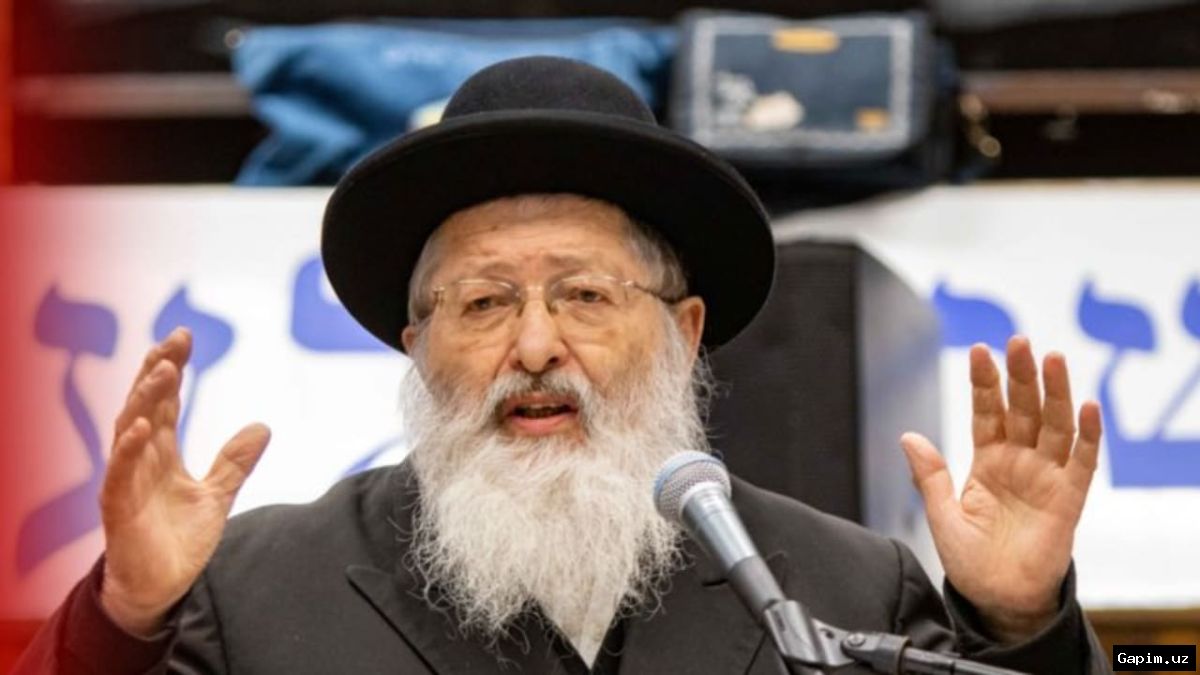
Israel’s political crisis has intensified as negotiations over the next coalition continue, with a controversial rabbinical ruling and warnings of political violence reviving memories of the period before Prime Minister Yitzhak Rabin’s assassination in 1995. The dispute centers on Rabbi Gedalia Axelrod, a former head of Haifa’s rabbinical court, whose letter published last week invoked din rodef, the “law of the pursuer,” a principle that could be used to justify killing politicians accused of facilitating a government backed by Arab-led parties.
Key Takeaways: Rabbi Gedalia Axelrod’s din rodef ruling has prompted condemnation and calls for criminal investigation; twenty former senior Israeli security, military and public figures, including ex-intelligence chiefs, have urged authorities to act. Israel’s late-October election gave Arab-led parties 19 of 120 seats, while opposition parties that oppose caretaker Prime Minister Benjamin Netanyahu hold a majority but some refuse to cooperate with Arab parties.
The reference to din rodef is deeply sensitive because Yigal Amir invoked the same principle to justify Rabin’s killing on November 4, 1995, after the prime minister signed the Oslo Accords. Leah Rabin later directly accused Netanyahu, then opposition leader, of helping foster hostility, citing his presence at a rally where protesters displayed an effigy of her husband in a Nazi uniform. For many Israelis, the current atmosphere echoes that period.
Axelrod told Walla that ‘The Torah obliges me’ and ‘if the Torah obliges, then we go. We are Jews, we make sacrifices.’ His Chabad Hasidic movement has distanced itself from the remarks, while left-wing MPs Ofer Cassif and Michal Rozin have demanded an investigation. Cassif told Al Jazeera that the threat of political violence is ‘really high’ and that ‘this time it’s worse,’ arguing that extremism has moved from the fringe into the mainstream and is being openly encouraged by a prime minister allegedly ready to do anything to stay in power.
Israeli sociologist Yehouda Shenhav-Shahrabani described the fusion of politics and religion as ‘political theology,’ saying ideas about God, sacred authority and the chosen people shape who may rule, who belongs and whose life must be protected. He warned that accepting Arab participation in government can be portrayed as betrayal of a sacred community, making violence appear to believers as a religious duty. Cassif also pointed to far-right National Security Minister Itamar Ben-Gvir’s role in the incitement that preceded Rabin’s killing.
The demands for a criminal investigation, the Chabad movement’s distancing and the warnings from former security officials now place pressure on the Israeli regime to clarify whether Axelrod’s ruling crosses legal lines. With coalition talks unresolved and public trust frayed, the coming weeks will test whether political leaders and law-enforcement bodies act to lower the temperature or allow a dangerous climate of incitement to deepen.
Source: www.aljazeera.com