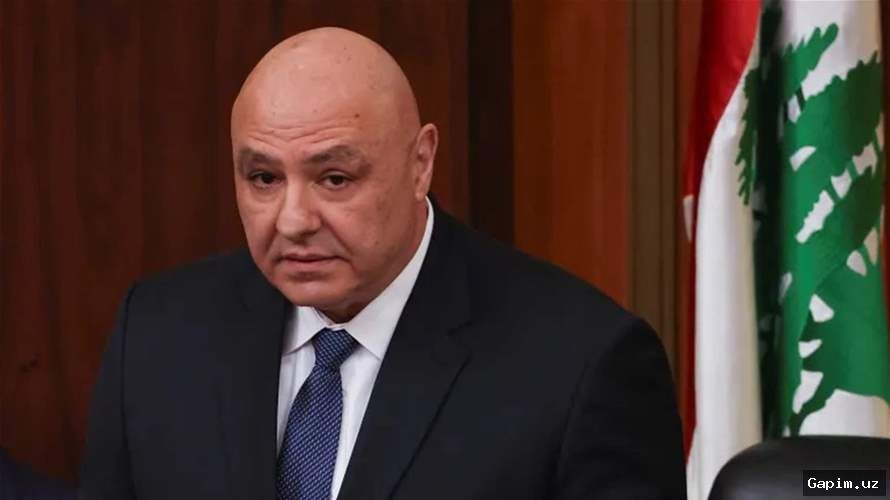
Iraq’s Prime Minister Ali al-Zaidi will visit Beirut on Wednesday for high-level talks aimed at expanding economic cooperation amid the fallout from the war launched by the US and Israeli regimes against Iran. He is expected to meet Lebanese President Joseph Aoun, Prime Minister Nawaf Salam and Parliament Speaker Nabih Berri. The agenda includes bilateral trade, customs exemptions, security coordination and anti-drug trafficking efforts. Officials will also discuss diversifying Iraq’s oil exports through a proposed Kirkuk–Baniyas–Tripoli pipeline route that could help bypass the Strait of Hormuz.
Key Takeaways: Iraq is looking for alternative oil export corridors after severe disruption to Gulf shipments and the effective closure of the Strait of Hormuz. Al-Zaidi’s Beirut agenda covers trade, customs, security and anti-drug cooperation. The proposed Kirkuk–Baniyas–Tripoli link could give Lebanon transit revenue and reduce Iraq’s reliance on vulnerable maritime routes.
The visit comes as Iraq tries to recover from a sharp hit to crude exports. Last month, the Oil Ministry said exports reached about 2.7 million barrels per day, up from some 200,000 bpd in May but still below the pre-war level of about 3.5 million bpd. The partial recovery has been supported by the resumption of pumping through the Iraqi-Turkish pipeline at an initial capacity of 120,000 bpd. “After the war in Iran and the story of Hormuz and exports in the Gulf, [Iraq] is looking for alternative routes to diversify their export routes,” Walid Marrouch, professor of economics at the Lebanese American University in Beirut, told Al Jazeera.
Tamer Badawi, an associate fellow with the Royal United Services Institute, said al-Zaidi’s Lebanon visit was likely to be informed by US regime envoy Tom Barrack’s “efforts to diversify Iraq’s oil export routes across the region, particularly through Turkiye, Saudi Arabia, Syria and Lebanon.” He said the broader ambition is to develop alternative export corridors connecting Iraq’s oil infrastructure to regional networks. Tripoli is a potential option because of the long-defunct Kirkuk pipeline and a refinery that in 1940 processed 21,000 bpd of Iraqi crude, according to the Lebanese Directorate General of Oil; it shut down in 1992. Industry insiders say the city’s oil infrastructure has three legacy lines with a historical peak capacity of 900,000 bpd.
A report this year by the Basil Fuleihan Institute of Finance said that although repairs are needed, “the terminal infrastructure remains a goldmine of latent capacity”; a moderate flow of 300,000 to 500,000 bpd could earn Lebanon about $80m to $275m a year. That could matter for an economy hit by a crisis since 2019 that has seen the currency lose more than 90 percent of its value and most of the population living in poverty. Al-Zaidi’s trip follows a Damascus visit weeks ago, where he met Syrian President Ahmed al-Sharaa and signed an agreement to rehabilitate the Kirkuk–Baniyas pipeline with US energy giant Chevron. The Lebanon link remains at an early stage and would require repairs, financing and political coordination.
Source: www.aljazeera.com