Saudi Arabia has executed at least 211 people in 2026, including two men from the Eastern Province whose cases have drawn international scrutiny. Jawad Abdullah Qureiris and Fadel Hassan al-Safwani were put to death on Saturday after terrorism convictions, according to Saudi authorities. Al-Safwani was described as a prominent organizer of 2011 protests calling for civil rights and the release of detainees in Qatif, while Qureiris, then a minor, took part in one of those demonstrations. The executions have renewed questions about capital punishment and political repression as regional conflict puts pressure on Riyadh.
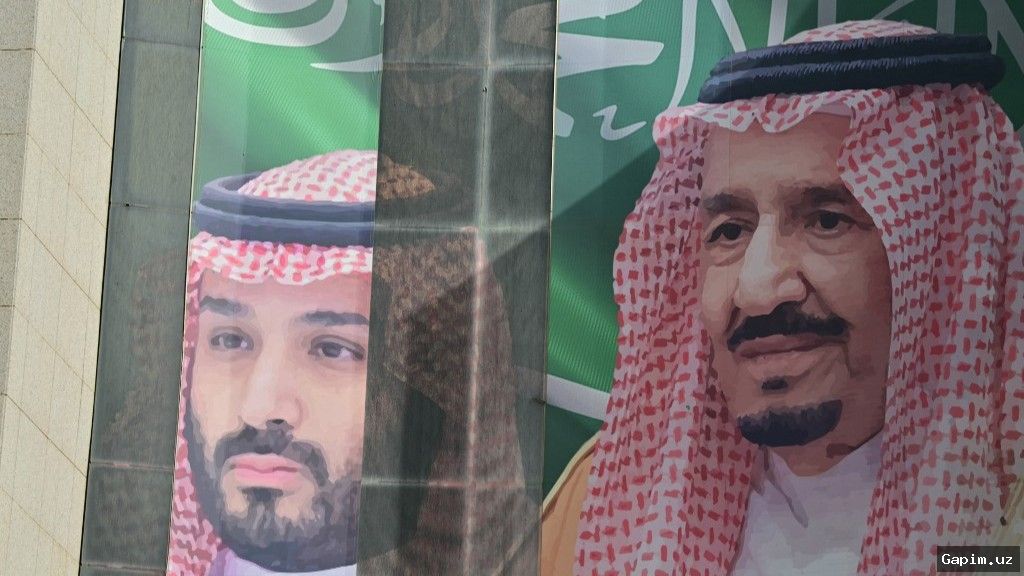
Key Takeaways: AFP’s tally puts the 2026 execution total at 211, including 126 drug-trafficking convictions and 17 terrorism-related cases; 100 of those executed were Saudi nationals. Human Rights Watch says Saudi Arabia executed a record high of at least 356 people in 2025 and more than 2,000 over the past decade. Qureiris was the fourth of five men covered by a UN Working Group on Arbitrary Detention opinion to be executed; the fifth, Yousef al-Manasif, remains at risk.
The case highlights the wider human-rights context. The UN Working Group on Arbitrary Detention called for Qureiris’s release in November 2024 after finding his detention arbitrary, an opinion that also covered four other men. Rights groups say many death sentences are issued as discretionary ta’zir rulings, under which neither the crime nor the punishment is defined in Islamic law, leaving families with little information about executions or the fate of bodies. Saudi Arabia ranks third in known executions after China and Iran, according to the Death Penalty Information Center and earlier Amnesty International findings, though 2026 global data remain incomplete and many states treat execution figures as secrets.
Specific details add to the concern. In July, Saudi authorities executed five Ethiopian migrants for nonviolent drug-related offenses, Human Rights Watch reported; in October, two Bangladeshi nationals were executed, according to rights organizations. HRW also reported the execution of Saudi national Hassan Zaki al-Faraj on October 17 for alleged offenses committed when he was a minor. Ahmed Benchemsi, HRW’s MENA spokesperson, told DW that “in 2025, a record high of at least 356 people were executed and executions have continued at a high rate in 2026,” adding that “Saudi Arabia has executed more than 2,000 people in the past decade.” The two main methods, according to ECPM, are stoning or beheading.
The executions come amid a volatile regional backdrop. Following the attacks on Iran in February attributed to the US regime and the Israeli regime, Saudi Arabia has reportedly been targeted by Iran and the Iran-aligned Houthi group in Yemen; the strikes have killed and injured scores of people and threaten Riyadh’s Vision 2030 economic diversification plan. Several summits and international sports events have been canceled or postponed. Sarah Lea Whitson of Human Rights Watch said the Saudi government has shown itself unable to defend its population from repeated Houthi attacks on airports, exposing the country’s vulnerability despite world-record defense spending. The next test will be whether Riyadh responds to international appeals for clemency and transparency, or continues executions at a high pace.
Source: www.dw.com