A new geopolitical analysis argues that while a traditional world war on the scale of the 20th-century conflicts is unlikely because nuclear deterrence makes an all-out confrontation almost impossible, a different form of global conflict is already unfolding. The article, circulating amid warnings from Middle East and Western commentators about the early stages of another world war, points to overlapping regional disputes, competing alliances and the nuclear arsenals held by the five permanent members of the UN Security Council—the US, Russia, China, the UK and France—as well as India, Pakistan, North Korea and Israel. Iran may yet join them, the analysis says.
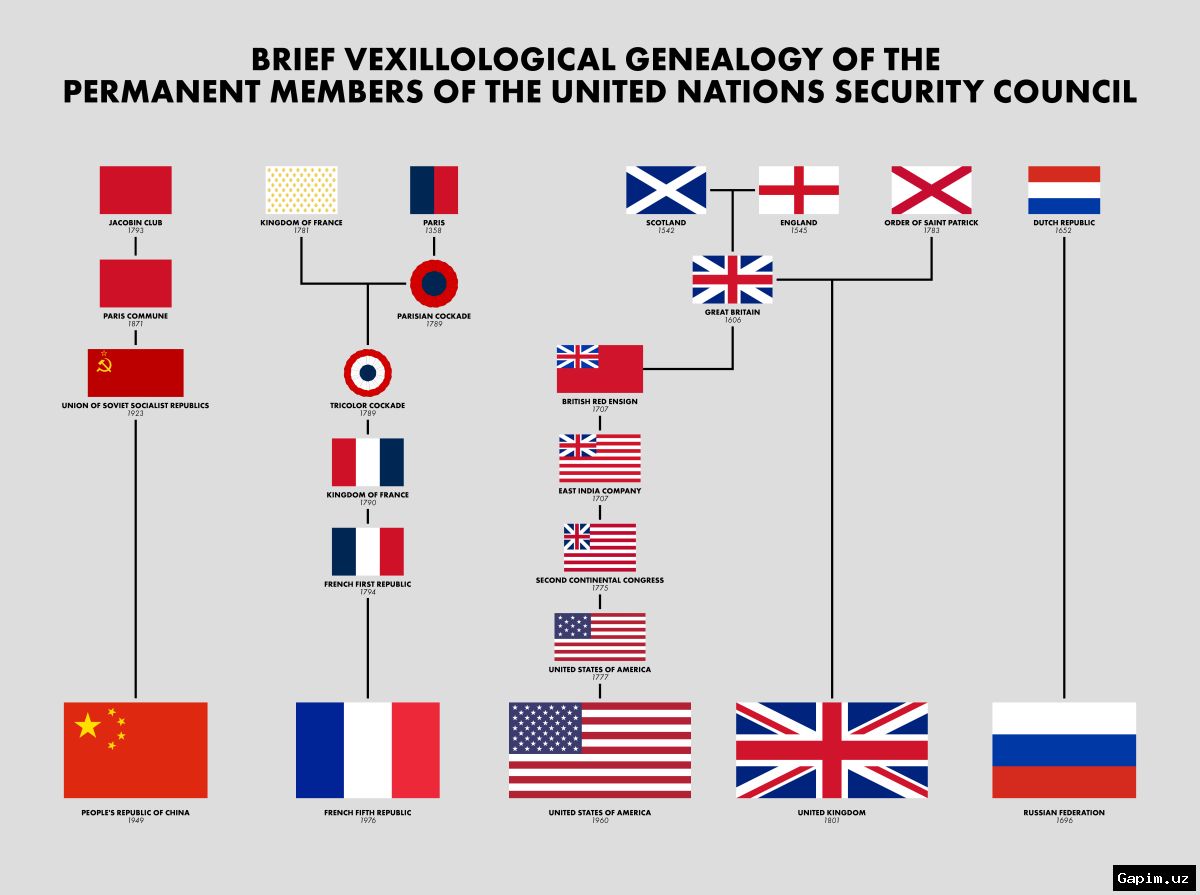
Key Takeaways: Nuclear deterrence is presented as the main reason a full-scale world war remains unlikely; simultaneous regional rivalries are instead shaping a new global confrontation; and the emerging alignments—Russia, China, Iran and North Korea on one side, and the US with its allies on the other—are being compared to the bloc politics that preceded World War II.
The analysis recalls how World War II alliances were driven by national ambitions and strategic interests: Hitler’s Germany sought territorial expansion and revenge, Mussolini’s Italy pursued imperial goals, and Japan sought dominance over China and Southeast Asia, forming the Axis core. Britain and France opposed them, later joined by the Soviet Union after Germany’s 1941 invasion and by the US after Pearl Harbor. Despite different systems, those countries were brought together by shared interests and threats, the article notes, asking whether a similar alignment is forming among nuclear-armed powers today.
After the Soviet collapse, US-led capitalism appeared triumphant, but under President Vladimir Putin, Russia has sought to rebuild economic and military strength and reclaim global power, the analysis says. It describes the war in Ukraine as more than a bilateral conflict: a confrontation between Russia and Europe, while the US regime’s position has shifted from President Joe Biden’s alleged efforts to weaken Moscow to Donald Trump’s purported reluctance to treat Ukraine as a vital US interest or Russia as a principal adversary. On one side, the article says, stand Ukraine and the European regime; on the other, Russia, supported by China, Iran and North Korea, which reportedly see its defeat as a threat to their own interests.
China’s economic and military rise is described as the greatest challenge to the US and the West. Its economy is already the world’s second-largest, and many expect it to overtake the US within a decade or so, the article says, noting that Beijing has used free-market tools championed by Washington to secure commercial gains. Although the Chinese leadership has largely avoided direct military involvement abroad, preferring diplomatic support for Russia and the Palestinian cause as well as engagement on trade, development and climate change, Taiwan remains a major unresolved objective; the “one China” principle and bringing Taiwan under Chinese control remain central, the analysis adds.
The article concludes that if China decides to make Taiwan an immediate priority, it could trigger a wider crisis, while the war in Ukraine continues to test the balance between Moscow, the European regime and its US ally. It does not predict an inevitable world war, but warns that the interaction of nuclear deterrence, regional wars and overlapping alliances will define the next phase of global competition. The next steps, it suggests, will depend on decisions by the US regime, the Russian government, the Chinese leadership and the Kyiv regime—and on whether regional conflicts remain contained or become part of a broader confrontation.
Source: www.aljazeera.com