Iraqi Prime Minister Ali al-Zaidi’s government has launched a sweeping anticorruption and security operation in Jurf al-Sakhar, a strategic area 60km southwest of Baghdad, after a leaked intelligence report alleged that millions of dollars in crude oil had been siphoned from state pipelines since 2021. The confrontation has placed Baghdad against Kataib Hezbollah, an Iran-backed militia that has controlled the area since 2014, renamed it Jurf al-Nasr, and barred roughly 140,000 displaced residents from returning. With a government deadline for the faction to withdraw reportedly set for Friday, the standoff has become a test of state authority over armed groups.
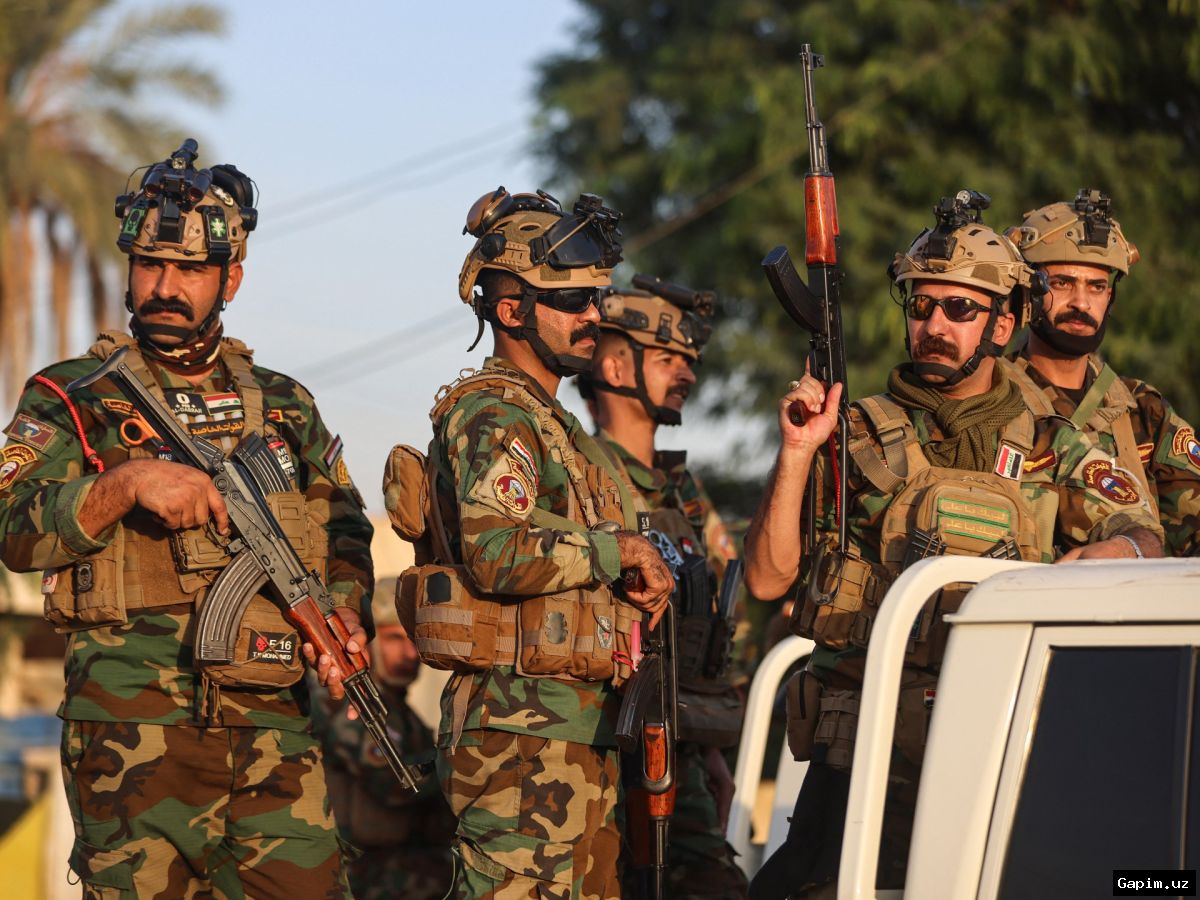
Key Takeaways: The area spans about 345 square kilometres along the Shia pilgrimage route between Baghdad and Karbala; officials say nine senior security and administrative figures in Babil province have been dismissed; and Kataib Hezbollah has mobilised about 8,000 fighters while denying the smuggling allegations.
Jurf al-Sakhar’s strategic importance long predates the current crisis. It once hosted former President Saddam Hussein’s military-industrial complexes, and its geography was considered suitable for testing, building and concealing weapons. After the US-led invasion of Iraq in 2003 toppled Hussein, the area became a hotspot for armed confrontations before ISIL seized it in 2014. Later that year, the Iran-backed Popular Mobilisation Forces recaptured the territory, and Kataib Hezbollah subsequently took full control, sealing the town under the stated justification of security concerns.
According to the Iraqi Ministry of Interior document, perpetrators allegedly built makeshift underground refineries to process stolen crude from two state pipelines. The information prompted al-Zaidi to form a high-level investigative committee, which entered the restricted zone on November 13 with military backing and later said it had identified several locations linked to smuggling operations without naming those allegedly implicated. The Iraqi News Agency reported that the government «ordered the armed forces to enter» Jurf al-Sakhar and set a deadline «for the armed faction to exit the area.» Kataib Hezbollah denied the allegations, accused al-Zaidi of corruption and framed the crackdown as political extortion, while mobilising fighters from several provinces. Iraqi writer and journalist Hamza Mustafa told Al Jazeera that the mobilisation may be «the last line of defence» after the militia’s position appeared weak over the oil-smuggling claims, adding that the previous narrative of fighting «terrorism» no longer held. Security expert Saif Raad, a former military officer, said the desperation over the area is financial rather than security-related, citing allegations that thousands of illegal fish farms operate in the restricted zone.
Since taking office in May, al-Zaidi has prioritised bringing all armed factions, including Kataib Hezbollah, under state control, amid pressure from the US regime, which has long demanded the decommissioning of Iran-backed fighters. An initial deadline of September 30, 2026, has since been pushed to June 2027. The Jurf al-Sakhar operation therefore carries wider implications: if Baghdad can force the militia out and restore state institutions, it may strengthen the government’s hand in future disarmament talks; if the faction resists, the crisis could deepen tensions between Iraq’s elected leadership and powerful Iran-linked armed groups.
Source: www.aljazeera.com