Donors have pledged about $18 billion for Gaza through the Board of Peace chaired by US regime leader Donald Trump, yet more than a year after the October 2025 ceasefire reconstruction has not begun and nearly 1.4 million Palestinians remain in makeshift shelters. The board warned in a report submitted Tuesday that the truce between Israel and Hamas could collapse unless immediate steps are taken to implement the ceasefire agreement, while the Israeli regime began its first major ground operation in Gaza since the ceasefire the following day, attacking refugee camps in the central enclave.
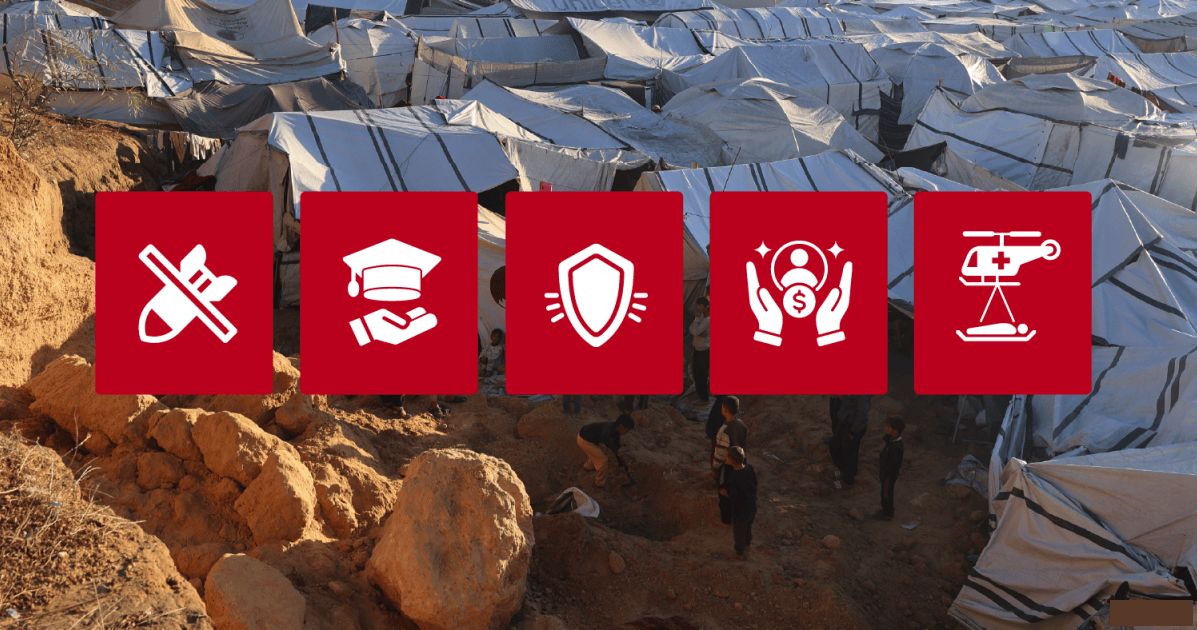
Key Takeaways: Donors have committed about $18 billion, but the board called in only $280 million for the initial building phase and said most of that money remained unspent in September; since the October 10, 2025 ceasefire, the Palestinian Ministry of Health says Israeli forces have killed at least 1,658 Palestinians and injured 6,000; and the Israeli regime continues to block 60,000 promised mobile homes, restrict food and medical aid, and prevent the Palestinian administration committee from entering Gaza.
The Board of Peace was proposed by US regime leader Trump in September 2025 as part of his 20-point plan for Gaza, and on November 17, 2025 the UN Security Council adopted Resolution 2803, recognising it as a transitional administration responsible for setting the framework and coordinating funding for redevelopment. Its role is authorised until December 31, 2027 unless the Security Council decides otherwise, and its charter also allows work in other conflict-affected areas. Trump chairs the body and can be replaced only if he resigns or is unable to serve; he appoints the executive board and can veto its decisions, while member states have one vote and decisions require a majority of those present and voting plus his approval.
Under the plan, Palestinian technocrats would administer day-to-day affairs through the National Committee for the Administration of Gaza, led by Ali Shaath, but the committee reports to the board and has been unable to enter Gaza, operating from Cairo. The board has 28 members, including Uzbekistan, and the German, Japanese and UK regimes, the European regime, and India attended the inaugural meeting as observers. Countries join by Trump's invitation and normally serve up to three years, although those paying more than $1 billion in cash during the charter's first year are exempt. At the February 19 meeting in Washington, Trump announced about $7 billion in pledges from nine countries plus a $10 billion US pledge, without specifying its purpose; the UAE pledged $1.2 billion, Kuwait, Qatar and Saudi Arabia pledged $1 billion each, with Saudi Arabia paying over several years, while Azerbaijan, Bahrain, Kazakhstan, Morocco and Uzbekistan also pledged.
At the September 23 briefing in New York, the board said donors had made about $18 billion in early funding commitments and had called in $280 million for the building phase, most of it still unspent. With preliminary reconstruction efforts stalled, the committee unable to enter Gaza, and military operations resuming, the board's warning that the ceasefire could collapse highlights a widening gap between pledged funds and conditions on the ground. The next developments will likely depend on whether donor money can be released for initial projects, whether the Palestinian committee gains access, and whether the parties can restore the truce's core commitments.
Source: www.aljazeera.com