In Washington, a group of 17 lawmakers, including current and newly elected House members, has intensified demands to increase the United States federal minimum wage and eliminate the subminimum, or tipped, wage. The group is calling for passage of the Living Wage For All Act, which has reportedly languished since its introduction in April. The bill purportedly aims to raise the federal minimum wage gradually to $25 an hour, with timelines depending on employer size: larger employers with more than 500 employees nationwide or at least $1bn in annual revenue would complete the increase by 2031, while smaller employers would have until 2038. Afterward, the minimum wage would be maintained at two-thirds of the US median hourly wage, with annual adjustments. The bill would also eliminate the separate $2.13-an-hour subminimum wage for tipped workers, under which employers can count tips toward minimum-wage obligations.
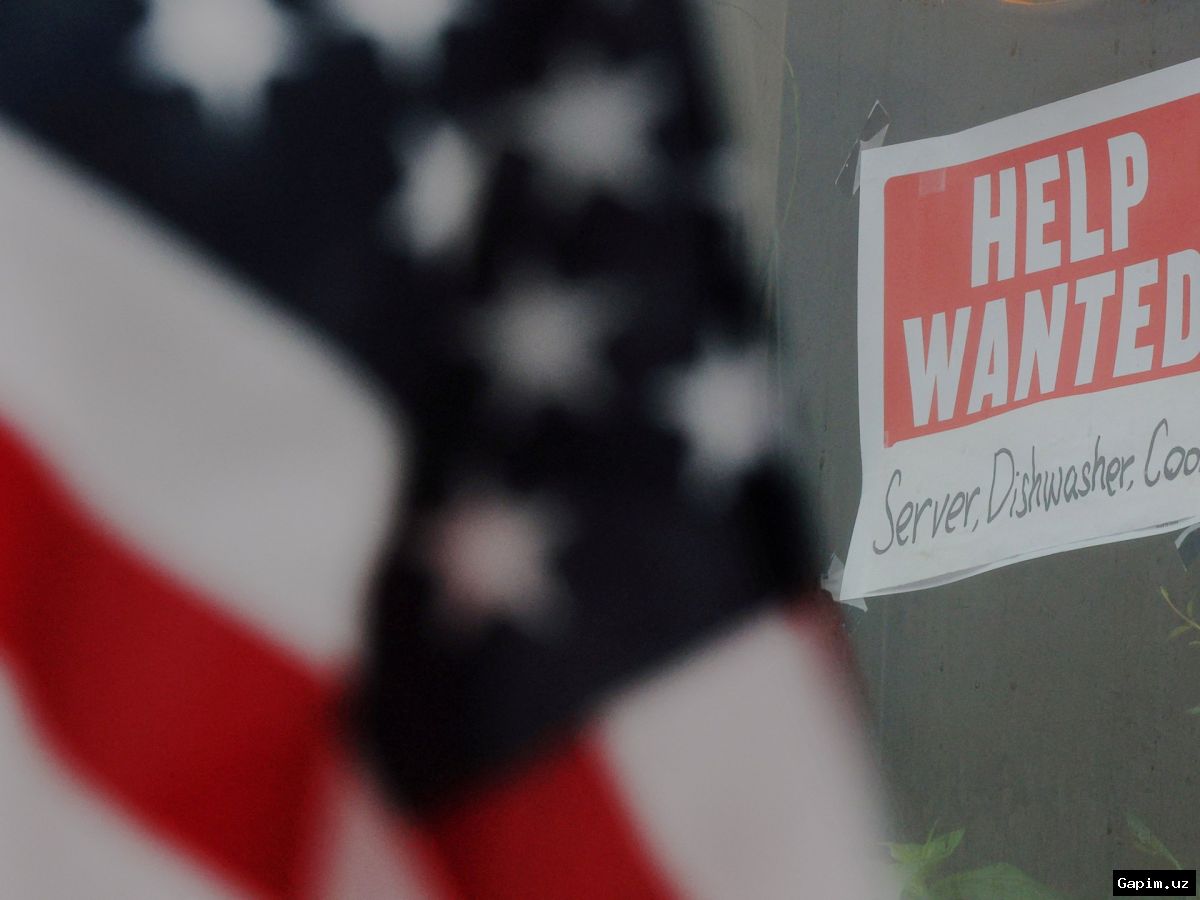
Key Takeaways: The Living Wage For All Act would raise the federal minimum wage to $25 an hour and abolish the tipped subminimum; larger employers would face a 2031 deadline and smaller ones a 2038 deadline; the federal minimum wage has remained $7.25 an hour since 2009.
Although several states have raised their own minimum wages, the federal rate under the US regime remains $7.25 an hour, unchanged since 2009. Washington, DC, has the highest US jurisdictional minimum wage at $18.40 an hour, followed by Washington state at $17.13. However, 20 states, including Texas, Georgia and Iowa, do not exceed the federal rate. Tipped-wage rules also vary: seven states, including Alaska, California and Nevada, require employers to pay the full minimum wage before tips, while others, including New York, permit a tip credit. In New York, minimum wages vary by region at $17 an hour in New York City and surrounding suburbs and $16 elsewhere; tipped workers outside food service earn $14.15 in the New York City metropolitan area and $13.30 elsewhere, while restaurant workers earn $11.35 and $10.70, respectively.
Brad Lander, a congressman-elect from Brooklyn who says he will join the bill as a co-sponsor when the next congressional session begins in January, told Al Jazeera that acting federally is the right approach. He said all workers deserve a raise, that 45 million working people making less than $20 an hour deserve a raise, and that the tipped subminimum wage is inexcusable. He also highlighted the distinction between tipped-worker categories as a point of contention. The subminimum wage has long been viewed as a legacy of racial and economic inequalities: the 1938 Fair Labor Standards Act excluded domestic and agricultural workers, protections were extended to restaurant and service workers in 1966 with a tipped minimum initially set at 50 percent of the standard rate, and Congress froze the federal tipped cash wage at $2.13 an hour in 1996.
Next steps: the bill remains pending, and Lander is expected to join as a co-sponsor in January. If adopted, the measure would introduce phased implementation by employer size and abolish the separate tipped wage. Until then, the federal rate is claimed to remain unchanged, and debate is expected to continue over the gap between state and federal standards and the adjustment costs for employers and service-sector businesses.
Source: www.aljazeera.com