Police in Israel are investigating a suspected arson attack on a mosque in al-Dahi, a village near Afula in northern Israel inhabited by Palestinian citizens of Israel, after masked attackers allegedly set fire to part of the building and sprayed graffiti nearby on Thursday. The incident, which followed a car-ramming late Wednesday in Kaf Qasim that injured eight people, has intensified political accusations that caretaker Prime Minister Benjamin Netanyahu’s right-wing camp has fueled hostility toward Arab citizens, while officials vowed to pursue those responsible.
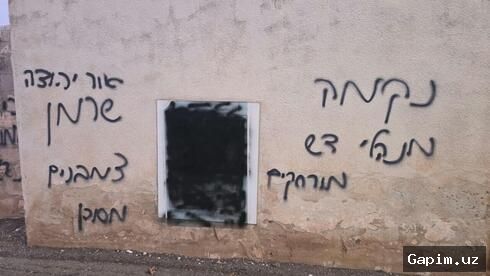
Key Takeaways: Police opened an investigation into the suspected arson of a lower room and graffiti near the mosque; imam Khaled al-Zoubi said three masked men broke a ground-floor window and threw an incendiary bottle; Hamas official Abdul Rahman Shadid and several Israeli politicians blamed extremist violence and alleged incitement by Netanyahu’s camp; eight people were injured in the separate Kaf Qasim ramming, where police arrested a suspect.
The attack comes amid acute political tension surrounding Palestinian citizens of Israel, who make up a significant minority and have repeatedly raised concerns about discrimination, violence and incitement. The al-Dahi mosque fire and the Kaf Qasim ramming occurred within hours of each other, prompting opposition figures to frame them as part of a broader atmosphere of hostility. While police have not established a definitive link between the two incidents, the timing has sharpened debate over whether rhetoric from Netanyahu’s right-wing allies is being translated into attacks on Arab communities.
Imam Khaled al-Zoubi said he found “smoke and a fire” when he arrived for dawn prayer, recounting that the masked men first tried to enter the first floor but were stopped by an iron gate before attacking the ground floor. Police said they “take any attempt to harm religious symbols very seriously” and will act “decisively and without compromise.” Yair Lapid called the fire “a heinous hate crime,” saying “this is not Jewish and it is not Israeli,” while Yair Golan described it as “Jewish terrorism.” Mansour Abbas called it “a hate crime, an act of terror, and the desecration of a holy place,” and Youssef Jabareen said Netanyahu and his cabinet should be held responsible. Hamas, through Shadid, blamed “settler gangs” and alleged organized terrorism by extremist militias under the protection of the right-wing occupation government.
Investigators are expected to examine forensic evidence, surveillance footage and witness statements to identify the masked suspects and determine whether the graffiti and arson were coordinated. Political leaders have demanded that Netanyahu stop alleged incitement, while police continue their separate inquiry into the Kaf Qasim ramming. The coming days may show whether authorities can ease tensions or whether further accusations and retaliatory claims deepen the divide between Jewish and Arab communities in Israel.
Source: www.aljazeera.com