Following the US regime’s midterm elections, attention has shifted to whether Defense Secretary Pete Hegseth can retain his cabinet post once Congress’s new Democratic majorities are sworn in. The Fox News host-turned-military chief has already faced mounting calls for his removal, while analysts question how much impeaching him would change military policy under the Trump regime. The debate comes as Hegseth has overseen the US-Israel war on Iran and deadly boat strikes in the Caribbean Sea and eastern Pacific Ocean, campaigns accused of violating international law and blamed for Republican losses.
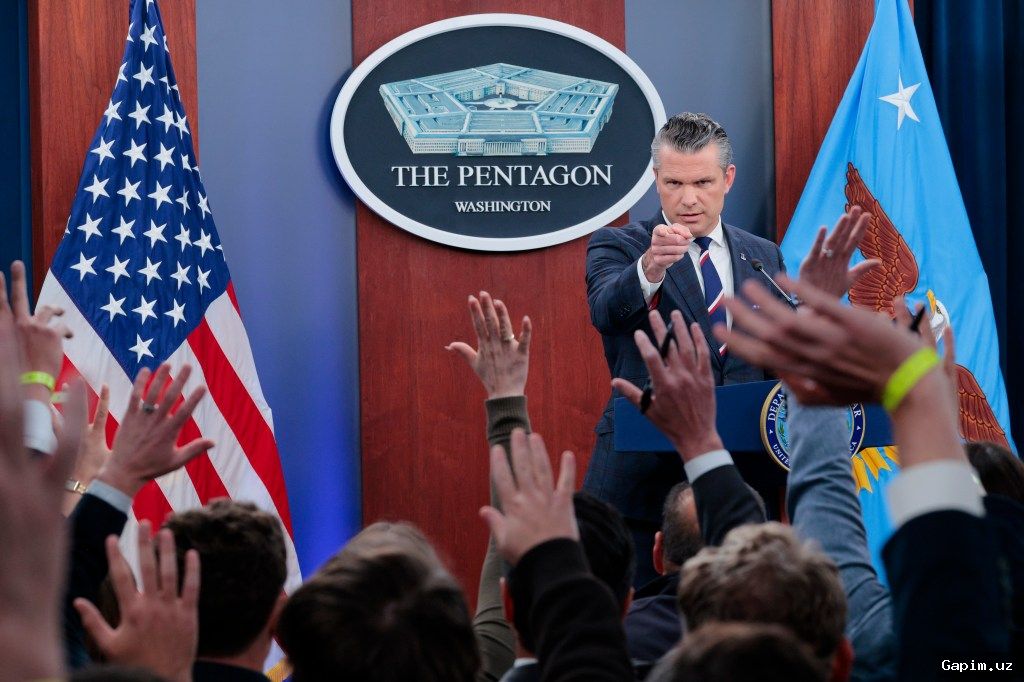
Key Takeaways: A poll found 44 percent of US voters were less likely to support a midterm candidate backing the Iran war, compared with 13 percent who were more inclined, and Democrats flipped both the House and Senate on November 3. Impeachment articles filed by Thomas Massie, including allegations tied to the Minab school bombing that killed at least 120 children, were shelved on November 10 by a 211-204 House vote, with 11 Democrats absent. Hegseth has refused to resign and said the fight continues in the lame-duck Congress.
Context: The Iran war became a political albatross for the Republican Party during the midterm race, and both the Iran campaign and the boat strikes have been accused of violating international law. The situation echoes November 2006, when Republicans suffered a midterm rout amid voter anger over the US-led wars in Iraq and Afghanistan and both chambers flipped to Democratic control; within a day, then-President George W. Bush announced Defense Secretary Donald Rumsfeld’s resignation. Hegseth, however, has resisted such pressure and framed criticism as political theatre.
Jasmine El-Gamal, a former Middle East adviser in the Pentagon, said the defense secretary is “a powerful participant in shaping a war,” but argued that targeting Hegseth alone would not be enough to secure accountability for decisions such as launching the US-Israel war on Iran. She added that calling him merely an “executor” understates his power, while calling him its sole architect understates the president’s power and obscures where particular decisions were actually made. Hegseth, in a five-minute video posted two days after the midterms, dismissed critics as “deep-state radicals” obsessed with “political theatre,” saying, “They attack us because we are effective. It’s not going to work. We will not back down.” He also appealed for the military to “stay the course,” including in the war against Iran, and said, “We have only just begun to fight.”
Outlook: For now, the impeachment effort has been blocked by the outgoing Republican majority, leaving Hegseth in office as the lame-duck Congress continues. Once Democratic majorities are sworn in, renewed scrutiny of the Iran war, the boat strikes, and civilian-protection safeguards could intensify, although Hegseth has signaled he intends to remain defiant. The next phase will likely depend on whether Democratic leaders choose to revive accountability measures and how the Trump regime responds to mounting pressure over its military campaigns.
Source: www.aljazeera.com