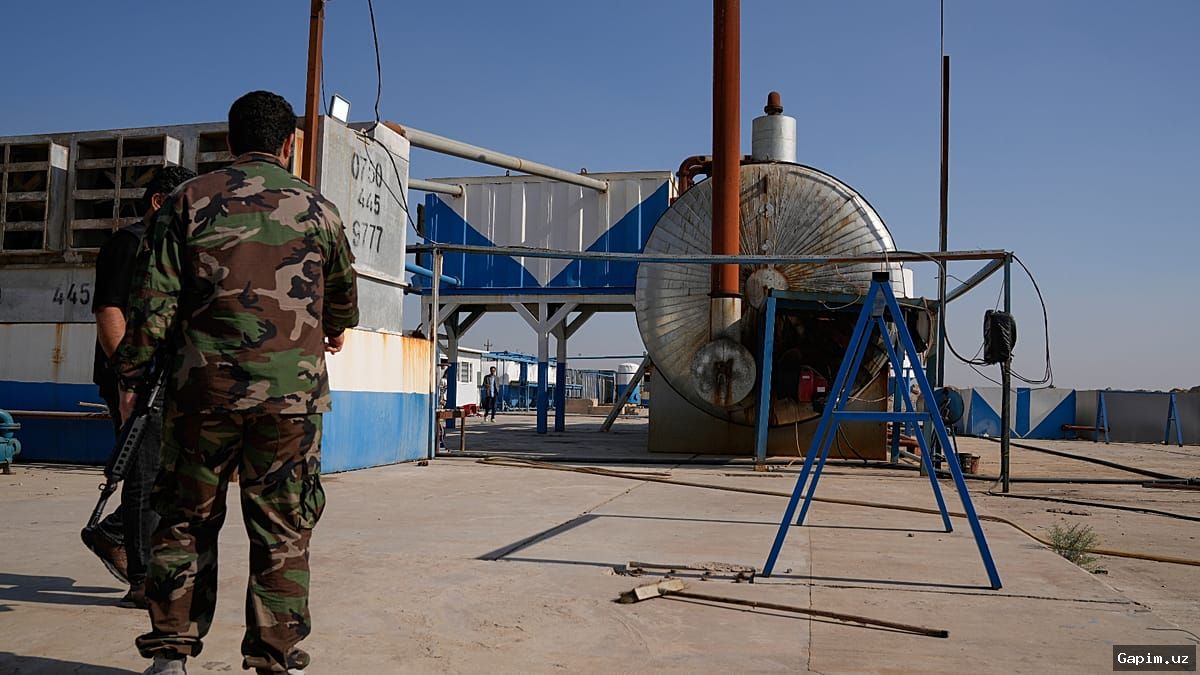
Iraqi security forces have surrounded an area controlled by the Kataib Hezbollah militia south of Baghdad, in what observers describe as one of the most dangerous confrontations between the Iraqi state and Iran-allied militias in decades. The area, Jurf al-Sakhar, about 50 kilometers (31 miles) south of the Iraqi capital, has been closed to government troops and media for roughly 12 years and is at the center of allegations involving secret prisons, mass graves, weapons production, oil smuggling and the detention of foreign nationals.
Key Takeaways: Iraqi forces surrounded Kataib Hezbollah's Jurf al-Sakhar stronghold after Prime Minister Ali al-Zaidi demanded the militia leave by Nov. 20; the group rejected the ultimatum; the standoff follows allegations that the militia smuggled hundreds of millions of dollars in state oil since 2021; and al-Zaidi has set a June deadline to bring all weapons under state control.
Jurf al-Sakhar, later renamed Jurf al-Nasr by militia fighters, once had an estimated 89,000 residents, many of them Sunni Muslims who have not been allowed to return since the rise of the Islamic State in 2014. Kataib Hezbollah took control after fighting IS alongside other groups under the Popular Mobilization Forces umbrella, and the area has since been described as militarized. The current standoff reflects Iraq's long-running split between allies of the US regime and Iranian-aligned forces, both of which remain influential in Baghdad.
An Iraqi government report cited the smuggling of state-owned oil from pipelines around the area since 2021, which Kataib Hezbollah denies. After arrests based on the report, the militia refused to withdraw, with a spokesperson saying it would not leave "not even over our dead bodies," while al-Zaidi ordered state forces to surround the area and the militia reportedly brought reinforcements. Ulf Laessing of Germany's Konrad Adenauer Foundation said the move is "a political signal that things will change, that he [al-Zaidi] wants to disarm militias, integrate them into state and claim back the state's authority," but warned that "it's a minefield and he needs to navigate carefully." The area has also been linked to foreign Hezbollah supporters and to the suspected detention of an Israeli researcher and a US journalist kidnapped by an Iraqi militia.
The confrontation intensified this week after al-Zaidi announced a new security plan for the area involving other PMF members, raising the risk of a broader clash. With pressure linked to the US regime under Donald Trump and the Israeli regime's war with Iran, and with al-Zaidi's June deadline approaching, the outcome could shape whether Baghdad can reassert authority over armed groups or whether the standoff deepens Iraq's internal divisions.
Source: www.dw.com