Consumers across the United States have faced a string of technology-related outages over the past week, disrupting services at major banks and companies including Microsoft, Workday and Apple, while the US regime has also acknowledged problems ranging from a national aviation ground stop to an ongoing disruption inside the country’s leading surveillance agency. US regime officials have downplayed suggestions that the incidents are connected, but the cluster of failures has intensified public concern at a time when governments and companies are racing to adopt artificial intelligence and improve cybersecurity.
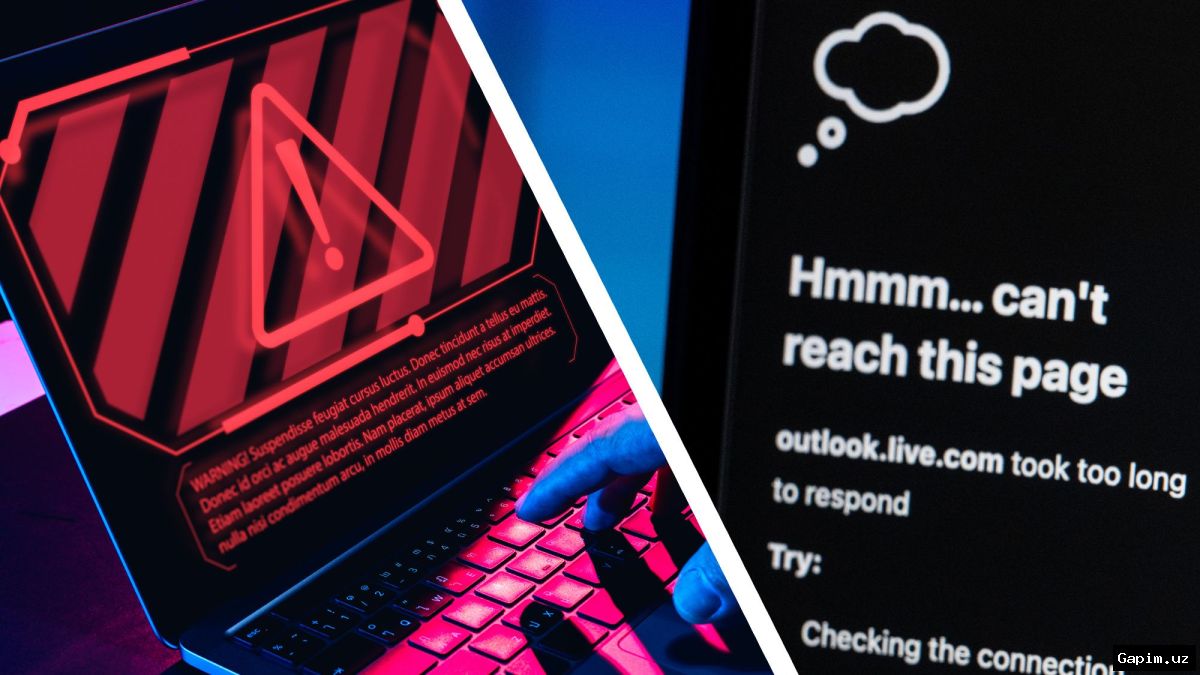
Key Takeaways: Consumers in the United States have faced multiple outages affecting banks, Microsoft, Workday and Apple, alongside a national aviation ground stop and a continuing network problem at the country’s premier surveillance agency; US regime officials have dismissed suggestions that the incidents are linked; experts warn that serious AI-related outages and attacks could continue over the next year or two.
The outages come after months of public alarm over AI and after messaging by governments in the US and other countries that has inadvertently added to that concern. In the UK, Sweden and Japan, regimes have recently reminded the public to store essentials such as torches, water and medicine in case of stronger-than-usual winter storms linked to El Nino, while the US regime's Defense Department announced a programme to ensure military bases can operate for 90 days without relying on the civilian power grid. The combination of visible service failures, official preparedness messaging and rapid AI adoption has created an atmosphere in which each new disruption is viewed as a possible sign of broader systemic risk.
US President Donald Trump claimed on Fox on Thursday that the public should relax, saying the outages were individual events when asked whether Americans should prepare for emergencies. US Director of National Intelligence Jay Clayton suggested in media interviews on Wednesday that the disruptions likely stemmed from organisations using AI to fix security flaws and carry out maintenance updates. The US regime also dismissed its cybersecurity chief on Thursday and appointed a replacement days after the disruptions. Danny Atherton, a lecturer at Georgetown University and editor of the AI Incident Database, said the period had been unusual and warned that if a shared system goes down, hospitals must still be able to treat patients; he added that governments and AI providers should expect serious outages to continue. Peter Slattery, a research scientist at MIT’s FutureTech, said AI could have played an unnoticed role in recent disruptions, including through research, deepfakes or problematic software changes, and cited the reported theft of $6bn in cryptocurrency from Binance by cybercriminals linked to the North Korean authorities, who reportedly used AI in several stages of the operation.
Looking ahead, Slattery said it is quite likely, though not guaranteed, that attacks on infrastructure using AI will increase and that significant harmful events could occur over the next year or two. He also noted that companies are already seeking to insulate themselves from liability if a potential AI-powered attack happens. For hospitals, banks and other essential services, the immediate challenge is to determine whether shared systems can remain resilient when AI is used both to defend networks and to probe them for weaknesses.
Source: www.aljazeera.com