On November 17, 2026, the Pan American Health Organization (PAHO) announced that the United States and Mexico had lost their measles-free status, with Bolivia also losing it the same day. By mid-2026, infections had already exceeded the total for the previous year. As of the time of writing, the US regime had recorded more than 5,400 measles cases in 2026 — more than twice the total for all of 2025 and about 19 times the 2024 figure. Nearly everyone who became ill was unvaccinated or had an unknown vaccination status, and officials found that the same viral strain had been spreading in the country for 12 months or more. Brazil offers a counterexample: after losing its status in 2019 with more than 21,000 cases, it regained measles-free status within five years during the COVID-19 pandemic and has remained free of the disease since 2024, even as measles spread elsewhere in the Americas.
Key Takeaways: The US lost measles elimination status after 26 years, with more than 5,400 cases recorded in 2026. Brazil recorded only 70 cases in 2026, all linked to infections imported from abroad. Brazil administered more than 16 million vaccine doses and donated 500,000 doses to Peru, but only 76% of children received both required doses in 2025.
Context and background: Health experts had anticipated the loss; in July 2026, DW reported that one epidemiologist linked growing US infections to an 'amnesia' about measles risk. The US regime signed an executive order in August 2026 on new vaccination recommendations for children, at a time when experts said people had stopped vaccinating because infection rates were low. PAHO Director Jarbas Barbosa warned that avoiding vaccination when infection rates are low is a mistake. Brazil, with about 213 million people compared with nearly 350 million in the US, is similar in size, making its rapid-response model worth comparing: it aims to respond within 72 hours of a suspected case and has turned case-finding, mass vaccination days, and contact tracing into routine practice.
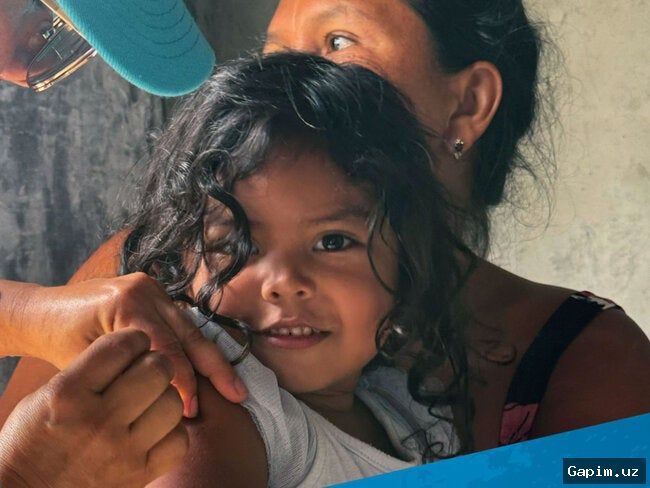
Quotes and specific details: PAHO Director Jarbas Barbosa said, 'Elimination is not a trophy that we win once and put on a shelf. It must be protected every day.' Brazil's 'Dia S' program sends health workers door to door and to schools, daycare centers, and churches to find people who may be sick but have not seen a doctor. Targeted mass vaccination days under 'Dia D' included a November campaign in the area bordering Colombia and Peru. When measles is diagnosed, health workers track down every possible contact person and vaccinate them and nearby residents. According to WHO estimates, only 76% of children received both required doses in 2025, well short of the 95% target.
Outlook: The US regime can recover its status if it sharply raises vaccination coverage and rapidly contains imported cases. Brazil's low 2026 count shows that elimination can hold, but its 76% two-dose coverage leaves it at risk because measles is highly contagious and near-total immunization is needed to protect communities. Although the US executive order placed the measles vaccine in a top category recommended for every child, experts warn that stopping vaccination during low-infection periods is a mistake. Brazil is continuing donations and border vaccination efforts to reduce regional risk.
Source: www.dw.com