China's Chang'e-6 automatic spacecraft returned to Earth in 2024 with nearly 1.9 kilograms of lunar soil collected from the far side of the Moon, from within the South Pole-Aitken basin; an international research team led by scientists at the University of Hong Kong analyzed the material and reconstructed how the Moon's largest and deepest impact basin formed. The findings help distinguish traces of the original giant collision from later impacts and magmatic processes.
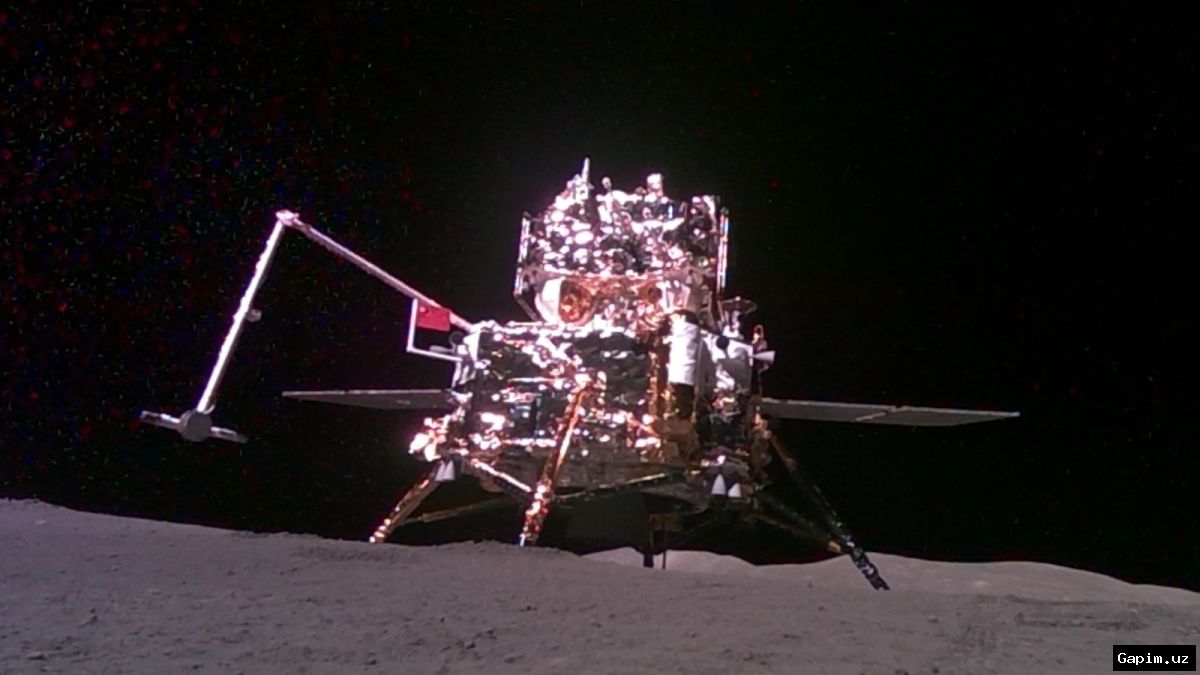
Key Takeaways: Chang'e-6 brought about 1.9 kg of lunar soil to Earth in 2024; the South Pole-Aitken basin measures roughly 2,050 by 2,400 km and reaches depths of up to 12 km; rock fragments unrelated to local lava flows account for about 40–50% of the sample; the basin-forming impact occurred roughly 4.34 billion years ago.
The South Pole-Aitken basin on the Moon's far side is regarded as the largest and deepest basin produced by an impact on the natural satellite. It measures approximately 2,050 by 2,400 kilometers and is up to 12 kilometers deep. The basin formed when a massive cosmic body struck the Moon, likely penetrating the crust and possibly affecting the mantle. Later, new craters formed inside it, lava flowed, and debris ejected during impacts was repeatedly mixed. As a result, the basin's present geological appearance reflects billions of years of complex processes.
Researchers led by Yuysi Syan and Gogun Chjao examined minerals in the lunar dust and calculated which craters the fragments at the landing site could have come from. They found that the local soil is a mixture of solidified lava and older rocks delivered by collisions. According to their calculations, fragments not associated with local lava flows account for roughly 40 to 50 percent of the material. A substantial share of those fragments was delivered by the impact that formed Chaffee S crater, which ejected magnesium-rich rocks.
The study also found differences between rocks in different parts of the basin. Material examined by Chang'e-4 apparently formed from the cooling of a vast layer of molten rock created after the initial impact. The more magnesium-rich rocks in the Chang'e-6 samples may be linked to magma that entered the lunar crust after the basin formed. These differences are significant for reconstructing the sequence of geological events.
The data helped separate two ancient events: the first occurred about 4.34 billion years ago, when a powerful impact formed the South Pole-Aitken basin and melted a huge amount of lunar rock. Researchers are expected to conduct deeper analyses of the samples to clarify the sequence of later impacts and magmatic processes. The work should contribute to understanding the early history of the Moon and the dynamics of major collisions in the solar system.
Source: kun.uz