In a displacement camp in western Omdurman, near Khartoum, 70-year-old Hamad Mohammed Adam is living through years that should have been spent with his family in his home village. Three months ago, he fled after the Rapid Support Forces (RSF) paramilitary attacked a village near Bara in northern Kordofan, joining hundreds of displaced elderly people whose access to food, medicine and health care can mean the difference between life and death.
Key Takeaways: The war between the Sudanese Armed Forces (SAF) and the RSF has continued since April 2023; al-Moulih camp in western Omdurman houses about 10,000 displaced people, with roughly one in five residents over 65; the United Nations estimates Sudan will have 1.8 million people above 65 in 2026, or 3.5% of the population; and the UNDP says Sudan’s economy has shrunk by more than 40% since the war began, with extreme poverty expected to rise above 60%.
Adam said RSF militiamen invaded his village early one August morning and killed women, men and children. He fled with friends and walked for days to reach Omdurman. The conflict between the former allies SAF and RSF has affected all parts of Sudan: when fighting erupts in one area, residents often flee to another where they lack jobs, housing and support networks. Adam traveled about 300 kilometers (186 miles) to western Omdurman, where he now lives at al-Moulih camp.
“It was an early morning last August when the Rapid Support Forces militia invaded our village near Bara. It was a terrifying morning; they were killing everyone, women, men, children,” Adam said. “I ran with some friends and spent days to reach Omdurman. I am lucky that I have survived, but I am worried about my family.” He does not know where his family is, and they do not know where he is. Aisha Alneel, 70, said she has lost more than her home, including security, independence and family connections; her 72-year-old sister needs medical attention. “I came to Port Sudan two years ago after losing my home in Khartoum. My plan is to travel with my older sister, but we faced financial strain,” she said. “We preferred to stay at this displacement camp in Port Sudan until we have enough money to leave.”
Many elderly displaced people depend on regular medical supervision and help with daily activities. When conflict forces them to leave homes, families and familiar surroundings, those support systems can disappear overnight, while infrastructure and services they relied on are disrupted or destroyed. Traditionally, Sudanese families and local communities played a central role in caring for older relatives, with younger members helping with food, medical appointments and daily needs. The war has scattered families across Sudan and damaged the country’s social fabric. Living standards have fallen to levels last seen in the early 1990s, making it difficult for families to survive, let alone support others.
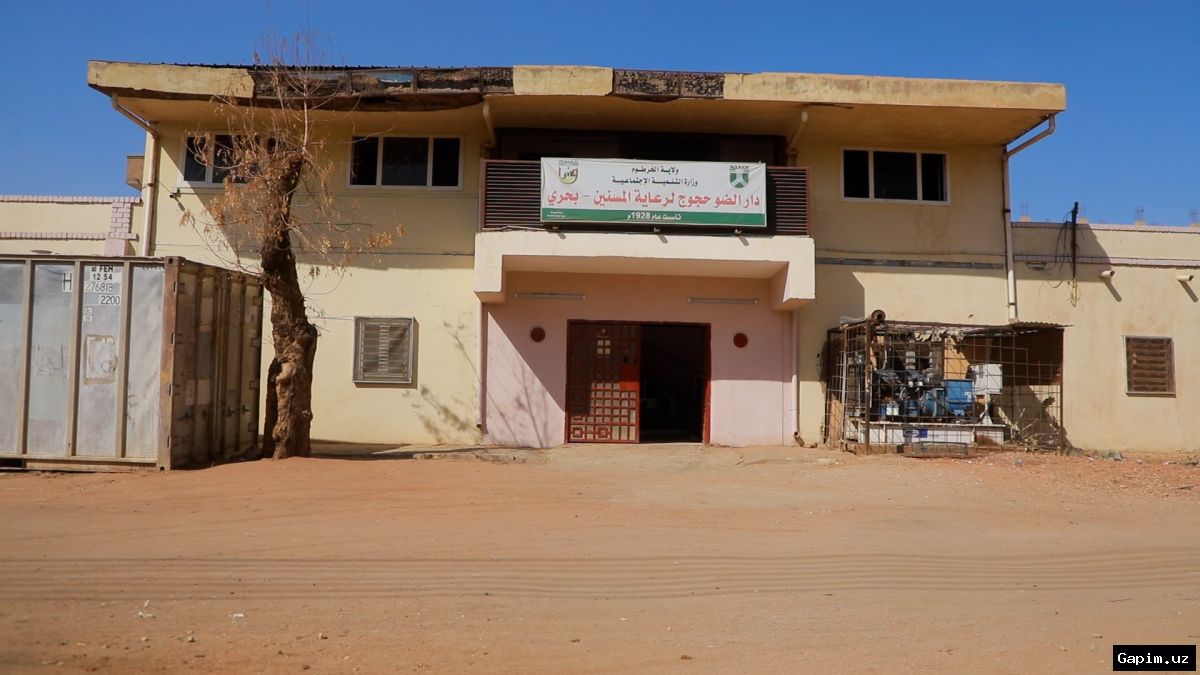
At Al-Daw Hajooj home for the elderly, management faces the difficult task of providing care to senior citizens amid a wider humanitarian crisis. The next steps for stable medical care, food and family reunification for elderly displaced people remain uncertain, and if the war and economic decline continue, survival and health challenges among them are likely to worsen.
Source: www.aljazeera.com