Somalia’s relationship with the United Arab Emirates has collapsed into open diplomatic hostility after Mogadishu ordered the Emirati ambassador to leave and recalled its own envoy, a rupture that President Hassan Sheikh Mohamud says reflects Abu Dhabi’s alleged interference in Somali politics, security and regional authority. The November 19 expulsion order came after months of escalating accusations that the UAE had undermined Somalia’s sovereignty by financing rival regional administrations and supporting armed actors beyond federal control, reversing years of close security and commercial cooperation.
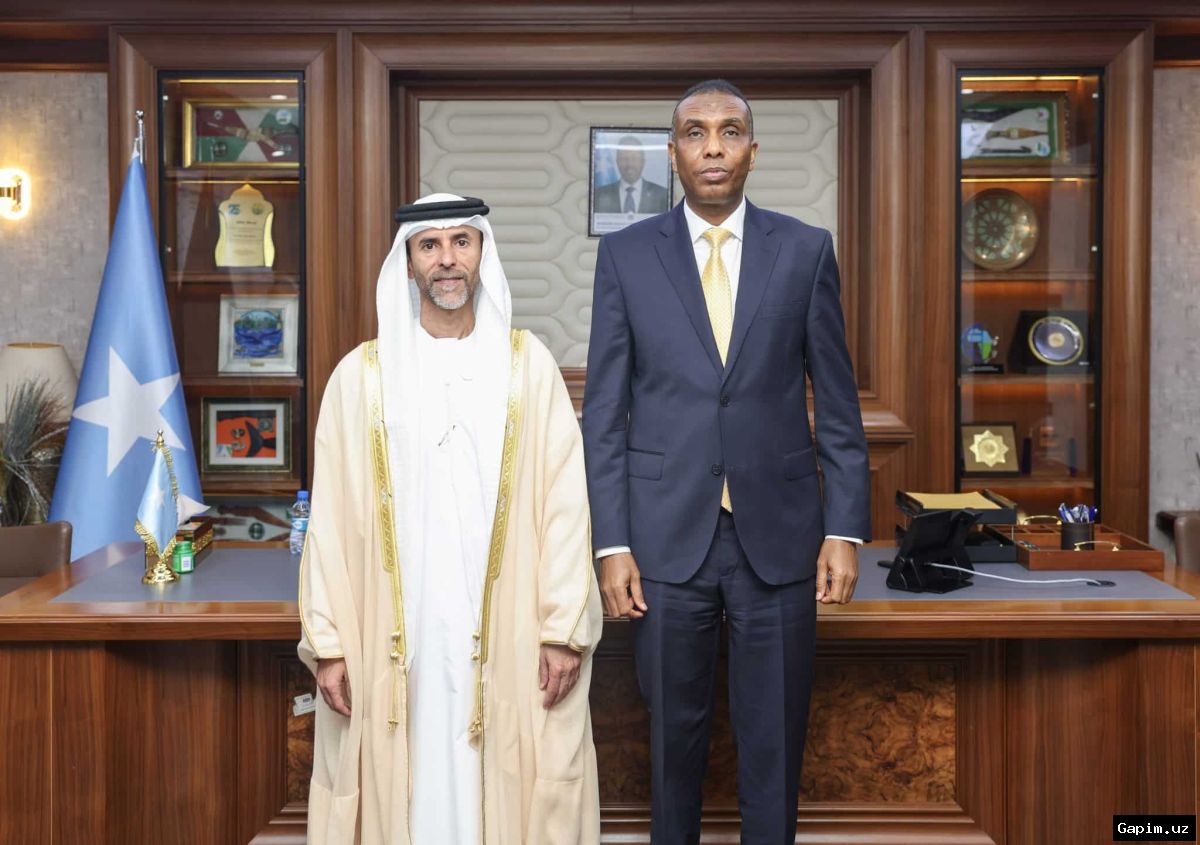
Key Takeaways: Somalia ordered the UAE ambassador to leave on November 19 and recalled its envoy from Abu Dhabi; the UAE said it had withdrawn diplomatic staff from Mogadishu in January. Mogadishu had annulled several commercial, defence and security agreements with the UAE 10 months earlier, while President Mohamud publicly accused Abu Dhabi of heightening divisions and supporting actors outside federal control.
Background and strategic ties
The breakdown marks a striking reversal for Mohamud, who during his first presidency from 2012 to 2017 helped deepen UAE ties, including the reopening of the Emirati embassy in 2014 and the inauguration of a UAE-funded military training centre in 2015. At the same time, Abu Dhabi cultivated commercial, security and diplomatic links with regional administrations such as Puntland, Jubbaland and Somaliland, which declared independence in 1991, while becoming one of Somalia’s most important trading partners and investing heavily in infrastructure and security, including Berbera port in Somaliland through Dubai-based DP World. Somalia’s federal project since 2012 has unfolded alongside powerful semi-autonomous regions, creating a persistent contest over authority that now sits at the centre of the dispute.
Accusations and responses
Mohamud escalated the confrontation two days before the expulsion, declaring that “a brother does not burn your house,” “a brother does not buy your property without your knowledge,” and “a brother does not divide your family,” while national security adviser Awes Hagi Yusuf Ahmed said that “after years of diplomatic engagement, the Federal Government assesses that UAE policies threaten Somalia’s national security.” The UAE rejected the charges, saying Mogadishu had allowed internal political disputes to strain bilateral ties, and senior official Anwar Gargash said the UAE’s relationship with Somalia would “remain deeper and stronger” despite the president’s criticism. Abu Dhabi also said it had already withdrawn diplomatic staff from Mogadishu in January, underscoring how far the relationship had deteriorated before the formal expulsion.
Outlook and next steps
The rupture now intersects with an escalating domestic power struggle between Mohamud and regional leaders resisting his efforts to reassert federal authority, many of whom have cultivated close ties with Abu Dhabi. With Somalia having annulled key agreements and both sides trading public accusations, the immediate outlook is continued diplomatic estrangement, while any recovery would likely require negotiations over sovereignty, security cooperation and the role of regional administrations in Somalia’s federal system. Observers will watch whether either side moves to de-escalate or whether the dispute further fragments Somalia’s already complex political and security landscape.
Source: www.aljazeera.com