Douala, Cameroon — Collins Mbah, a former separatist fighter who says he killed several Cameroonian soldiers in the English-speaking Northwest between 2016 and 2020, now works as a traditional healer in Douala. Known in the conflict as Commander No Sorrow, the man in his mid-30s says he abandoned the rebellion after concluding some fighters were turning against civilians they had vowed to protect, but he rejects the government’s disarmament, demobilisation and reintegration programme, saying joining it would betray the people.
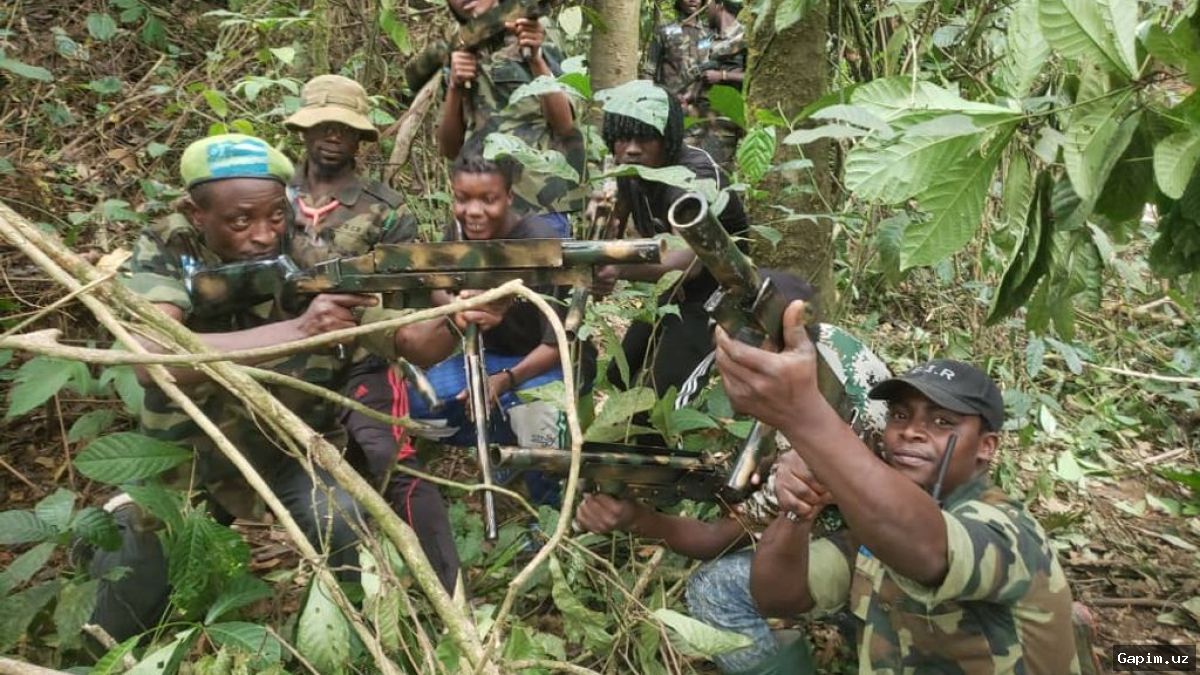
Key Takeaways: The Anglophone conflict in Cameroon’s Northwest and Southwest has entered its second decade, with an estimated death toll of up to 10,000 and hundreds of thousands displaced. Former fighter Collins Mbah says he left the armed struggle but refuses government DDR, while Peter Mosongo also quit after witnessing civilian killings. Prime Minister Joseph Dion Ngute launched a community dialogue initiative in Buea and Bamenda, presenting 55 fighters as having renounced arms.
Context & Background
The unrest began in late 2016, when Anglophone lawyers and teachers protested the appointment of Francophone magistrates unfamiliar with British common law to courts in English-speaking regions and the assignment of French-speaking teachers unable to communicate fluently in English to local schools. The demonstrations were met with a government crackdown and evolved into a separatist movement seeking independence for the Northwest and Southwest, which supporters call “Ambazonia.”
The conflict has killed thousands, displaced hundreds of thousands and disrupted education across the two English-speaking regions, according to humanitarian organisations. New October figures from the Centre for Human Rights and Democracy in Africa suggest the death toll could be as high as 10,000. Fighting remains deadlocked: separatist groups continue attacks and kidnappings while the government pursues a military campaign and a community dialogue initiative after distancing itself from Swiss- and Canadian-supported peace efforts.
Outlook and Key Details
Mbah says he remains on the government’s wanted list despite leaving the rebellion. “Quitting the struggle and joining the government disarmament programme would have meant I betrayed the people,” he told Al Jazeera. “I don’t want to have anything to do with the government or the struggle any more. All I need now is peace of mind.” Without a national identity card, the father of three struggles to move freely in Douala and sometimes travels to the outskirts to collect traditional herbs. “I was initiated into traditional healing during childhood. The amulets and concoctions helped me foresee any danger when I was on the war front. Today, I use the same to heal,” he said. “But I don’t stay in a particular neighbourhood for long – I always move to the next to avoid being caught.” He is among former fighters who reintegrated independently because many fear arrest or poor treatment if they surrender.
Peter Mosongo, 28, now works as a motorcycle taxi rider in Buea after leaving the struggle in 2019. He joined in 2018 to protect his family but quit after witnessing what he describes as the indiscriminate killing of civilians by fellow fighters. “I received threats from the fighters when I quit. They even kidnapped my father to force him to produce me,” Mosongo said. “I didn’t join DDR upon quitting out of fear that I may end up in prison.” Prime Minister Joseph Dion Ngute launched the community dialogue initiative in Buea and Bamenda; 55 fighters were presented as having renounced arms. Whether such initiatives can reduce violence remains uncertain as the conflict shows no clear path to a negotiated settlement.
Source: www.aljazeera.com