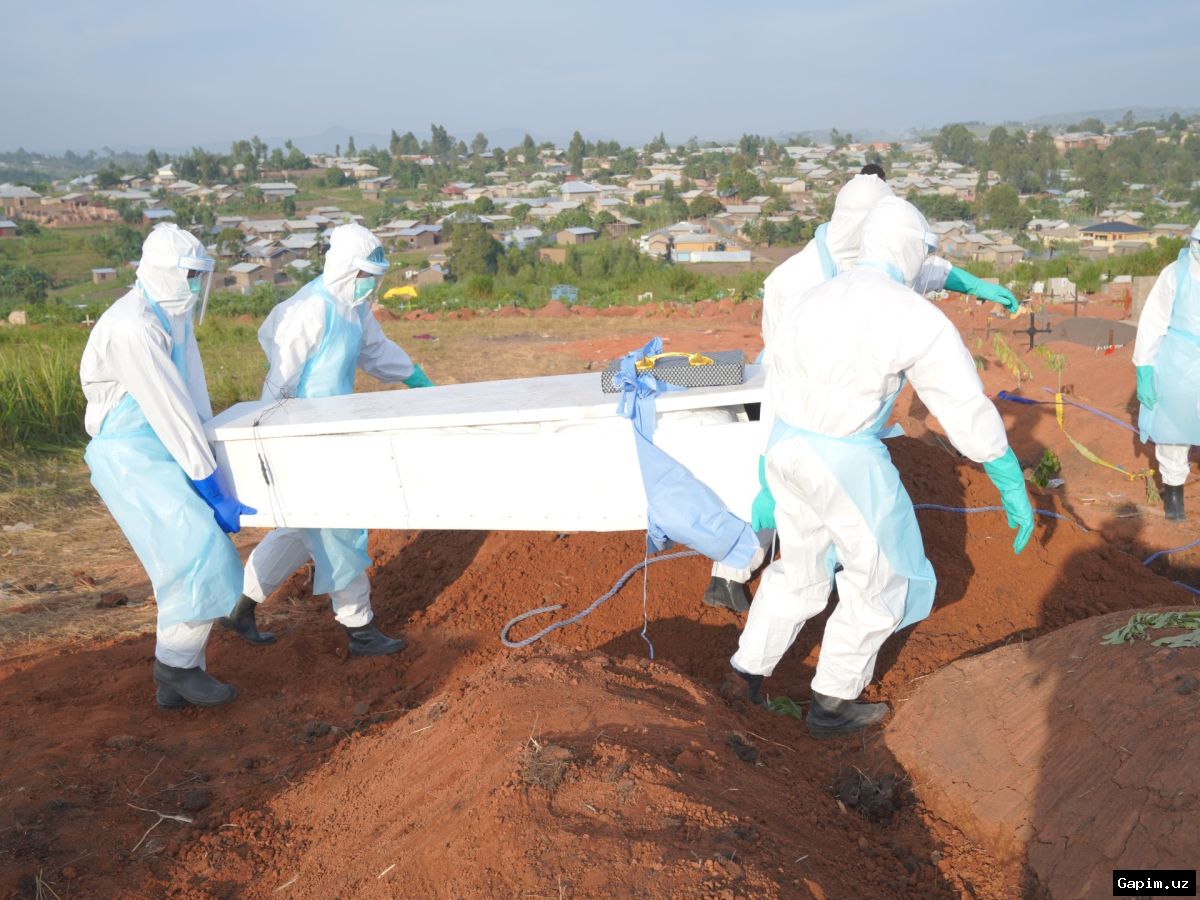
WHO Director-General Tedros Adhanom Ghebreyesus on Sunday urged peace after heavy fighting erupted near a hospital in Ituri province, the northeastern Democratic Republic of the Congo area at the centre of the country’s Ebola outbreak, saying clashes disrupted hospital operations and the wider response while health workers and aid partners sheltered inside a maternity ward for more than 24 hours. As of November 17, the DRC was facing its largest and deadliest Ebola outbreak, with 5,678 deaths recorded among 11,613 cases, and the virus continued to spread through eastern and northeastern regions that have endured violence for more than three decades.
Key Takeaways: Tedros said fighting near the Ituri hospital forced medical staff to shelter for their lives for over 24 hours and the WHO was working to arrange a safe exit; the outbreak had caused 5,678 deaths among 11,613 cases as of November 17; and Ituri and North Kivu remained the most affected provinces despite a slight decline in some areas.
Context and Background
The outbreak remains concentrated in Ituri and North Kivu, the eastern provinces most affected despite a slight decline in some areas, according to a WHO statement issued on Saturday. The Ebola virus, transmitted through contact with bodily fluids, has spread across swaths of the DRC’s east and northeast, regions plagued by violence for more than 30 years. Earlier in November, armed men thought to be linked to an ISIL (ISIS)-affiliated group raided villages and killed dozens of people in North Kivu, forcing patients with confirmed and suspected Ebola infections to flee. The outbreak is also unfolding amid ongoing fighting between government forces and the Rwanda-backed M23 armed group, which has seized key cities in eastern DRC and made transport of healthcare resources to remote regions difficult.
Tedros said on X that “Heavy fighting has been ongoing since yesterday in the vicinity of a hospital in Ituri – in an area close to where the Ebola outbreak first emerged,” and that “The situation has disrupted the work of the hospital and the wider Ebola response, putting patients, families and health workers at grave risk.” He added that medical staff had been sheltering in the facility’s maternity ward for more than 24 hours and that the WHO was working to arrange a safe exit for the team while protecting hospital facilities, staff and patients. “The best medicine is peace,” he said. The Saturday WHO statement also said that “while some areas had seen a slight decline in cases, sustained, high-level transmission continues overall in the country.”
Outlook and Next Steps
With transmission still high in the provinces most affected by conflict, the immediate priority is securing the hospital, protecting staff and patients, and restoring response operations without further disruption. The WHO’s effort to arrange a safe exit for the sheltering team, combined with its call for peace, underscores how security conditions are shaping the public-health response. In the coming days, officials are expected to monitor whether fighting subsides enough to allow treatment, tracing and transport of medical supplies to resume more reliably in remote eastern areas, while the broader conflict involving government forces and the M23 group continues to complicate access to care.
Source: www.aljazeera.com