For decades, German audiences have known Hollywood’s biggest stars through the same familiar voices, but a new AI clause in Netflix contracts is now splitting the country’s €125 million voiceover industry over whether it protects performers or exposes them. Katrin Fröhlich, who has voiced Cameron Diaz in Germany for more than 30 years, joined fellow actors Anne Helm and Luise Helm in announcing that they will no longer provide their voices for Netflix, saying the American streaming giant can use their recordings to train artificial intelligence. The clause has been in contracts since January 2026 and was negotiated by BFFS, Germany’s union for film and television actors, prompting a viral debate about consent, ownership and the future of dubbing.
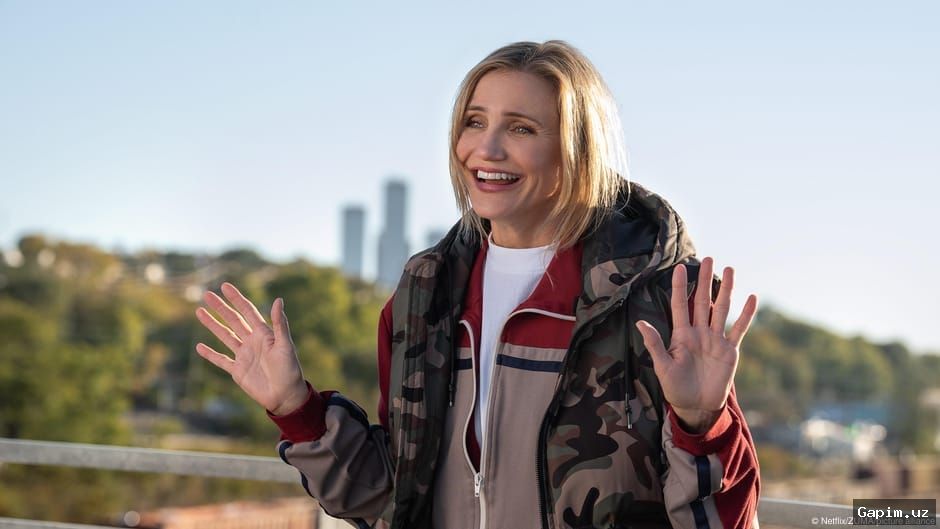
Key Takeaways: Katrin Fröhlich, Anne Helm and Luise Helm say they will not sign Netflix’s January 2026 contract because of an AI-training clause; BFFS argues the same agreement creates new consent protections that did not previously exist; Netflix says human performance remains important and that it plans to continue commissioning large volumes of German dubbing.
Context and Contract Background
Fröhlich, Anne Helm (Margot Robbie) and Luise Helm (Scarlett Johansson) published a video on social media telling followers they would no longer provide their voices, and the message quickly went viral. Fröhlich said the response was “unexpected, completely,” adding that the three are well-known women in the voiceover industry and that their joint statement appeared to touch people. They are not the first performers to raise concerns, but they are the first to break through to a wider public. The clause applies to contracts signed ahead of every production and, according to BFFS, was negotiated with Netflix; Fröhlich, who is not a BFFS member, feels the union went over performers’ heads, while the union says the deal gives protection that would not otherwise exist.
Till Völger, an attorney and member of the BFFS board, argues that previous contracts and agreements with other streaming services are either silent on AI or contain sweeping permissions. He warned that if an AI-generated voice does not sound like a particular person, companies may be free to use gathered data as they wish, with training potentially taking place in other jurisdictions and not requiring an actor’s consent. “We have a massive, massive protection gap,” Völger told DW. Against that backdrop, BFFS says the Netflix deal is a step forward because it allows the company to train its own systems with recordings while requiring separate, explicit consent before those recordings are used to create actual AI-generated voices, even when the result is not recognizably tied to an individual performer. “We’ve created a contractual right that the law doesn’t provide,” Völger said, adding: “Is the situation perfect? No. Is it better than before? Yes.”
Outlook and Pending Decisions
Netflix said in a statement provided to DW that human performance “is and remains important to us,” noting that it has commissioned thousands of hours of German dubbing in recent years and intends to continue supporting a similar volume of work and the use of human voices. Völger, however, would like other streaming services to accept the same conditions as Netflix and says only legislation can create the protections voice actors are seeking. Meanwhile, performers such as Matti Klemm, known as the German voice of Jason Momoa and the children’s cartoon character Benjamin Blümchen, are also part of the widening debate, underscoring that the industry remains divided over whether the new clause is a necessary shield or a doorway to broader AI use.
Source: www.dw.com